
Last updated November 4, 2026
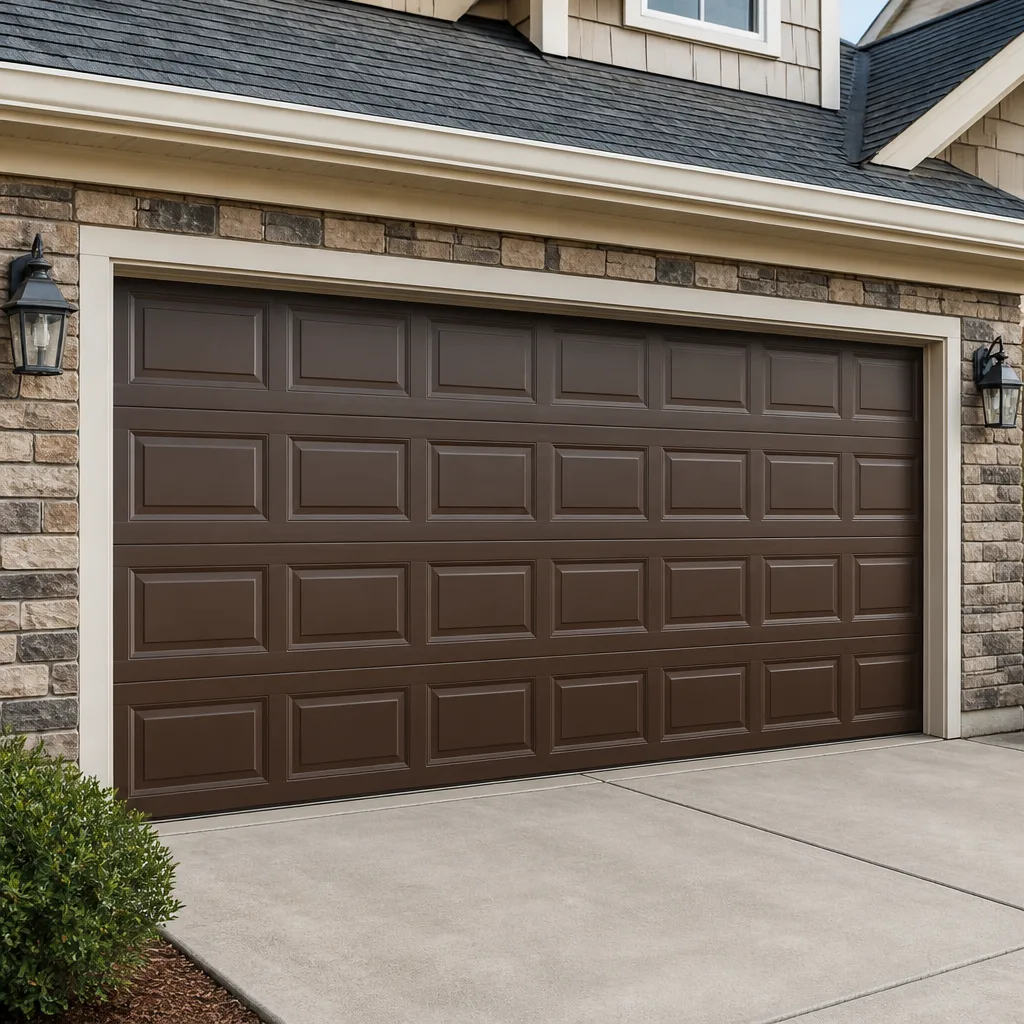 Raised-panel steel
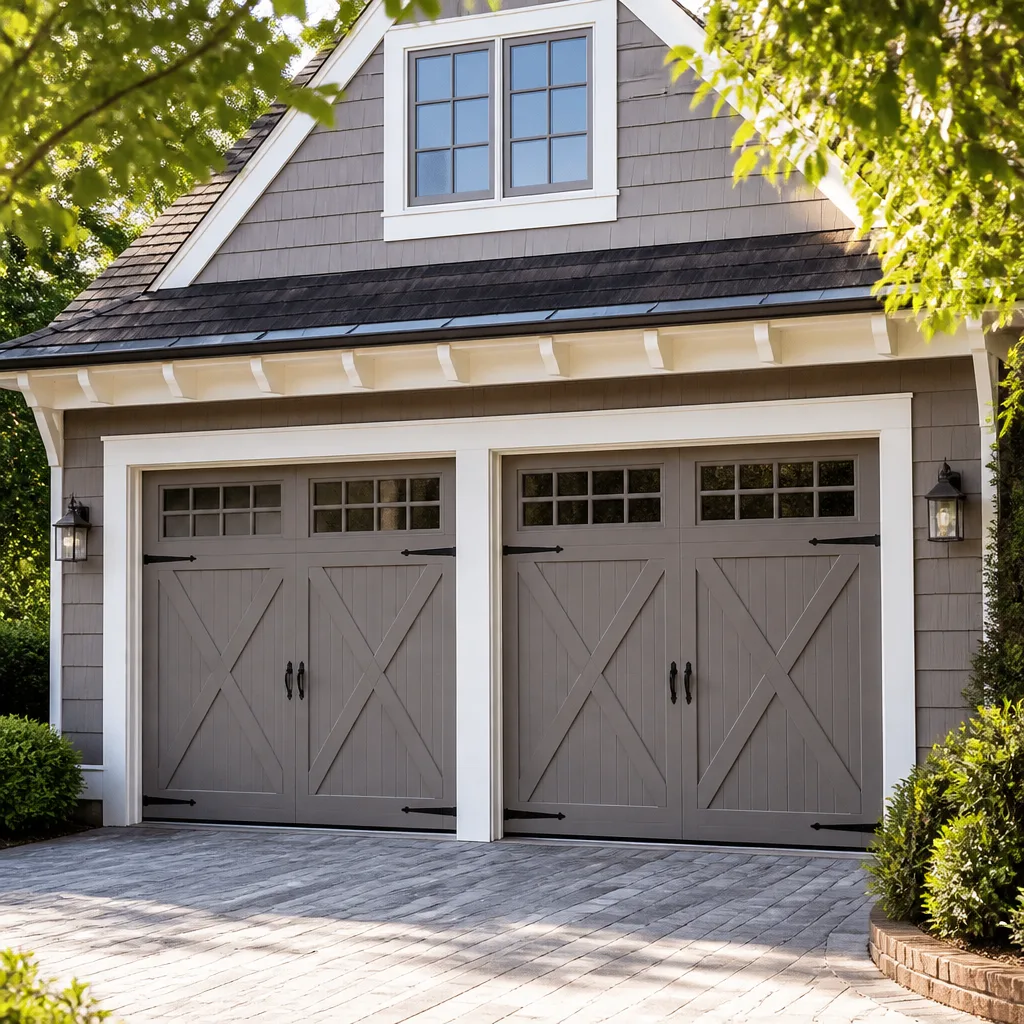 Carriage house
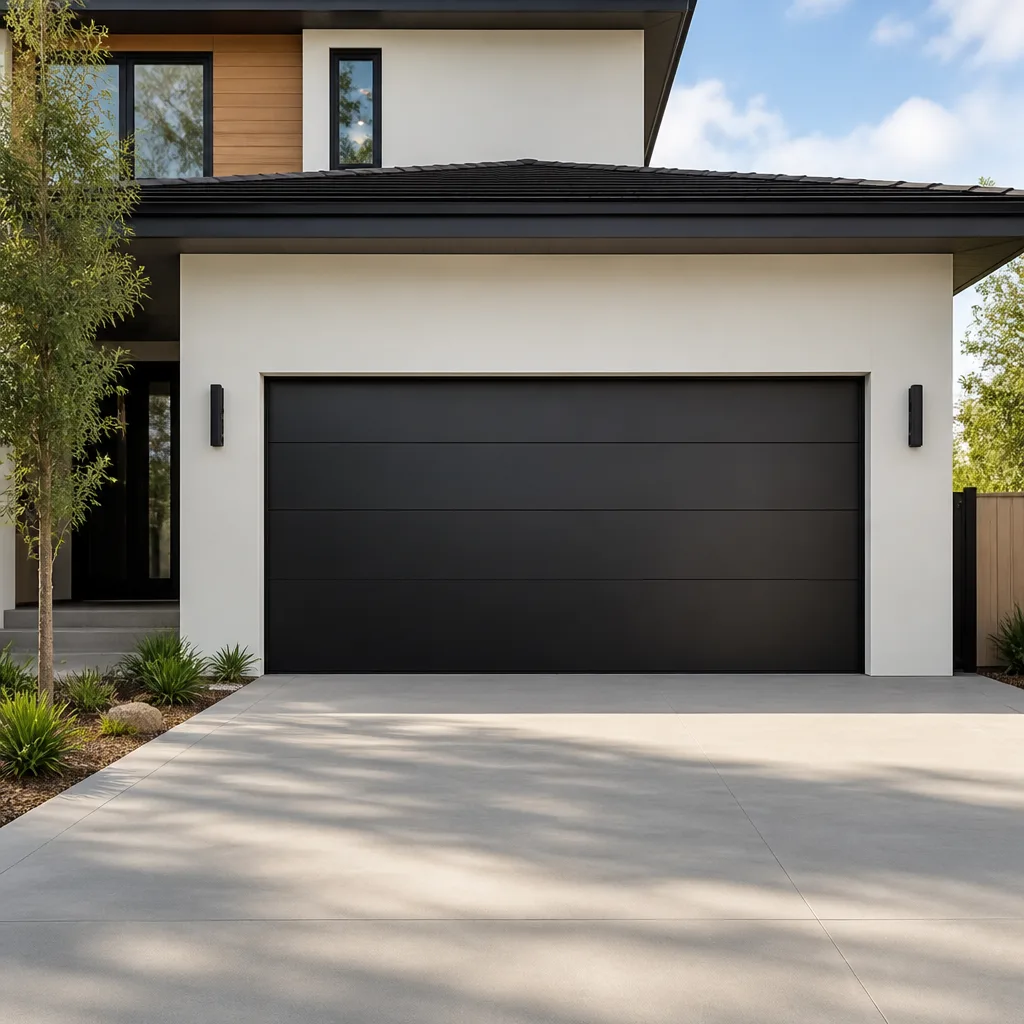 Modern flush
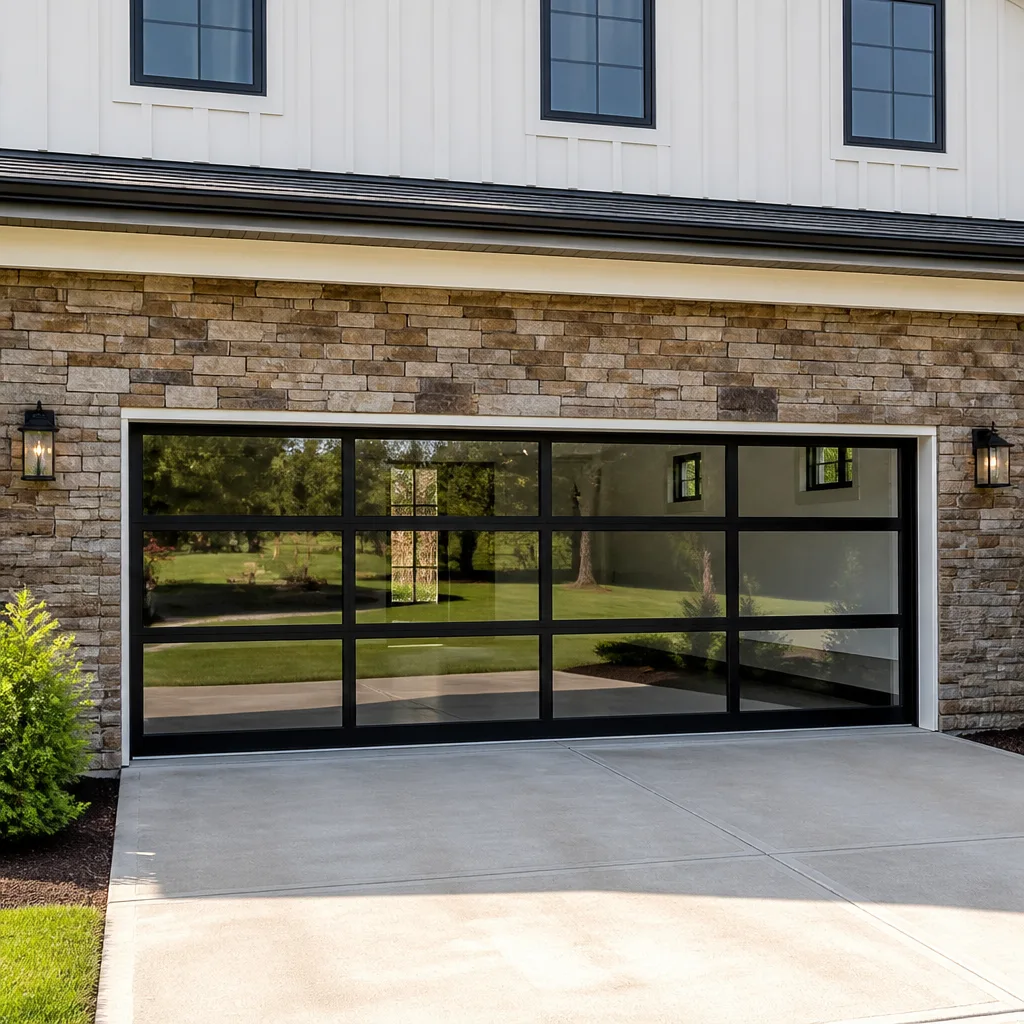 Full-view glass
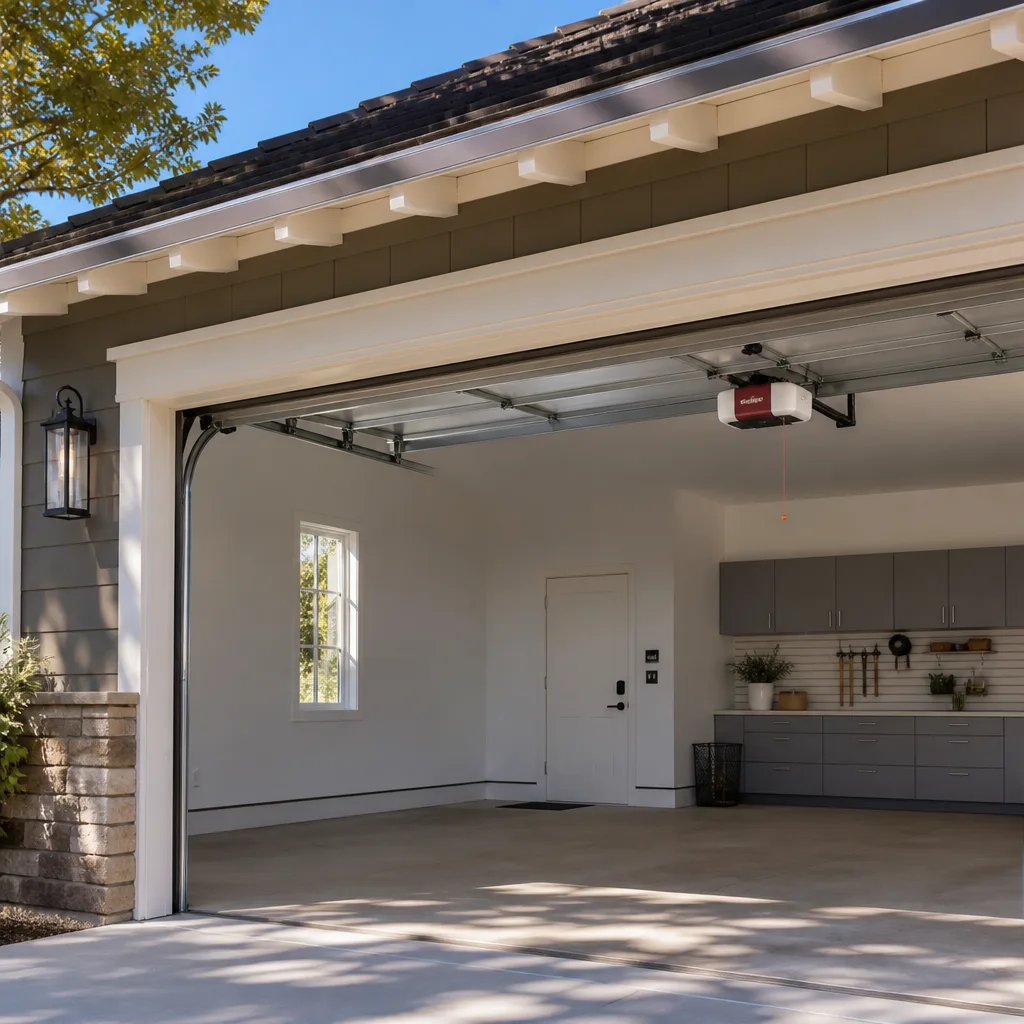 LiftMaster openers
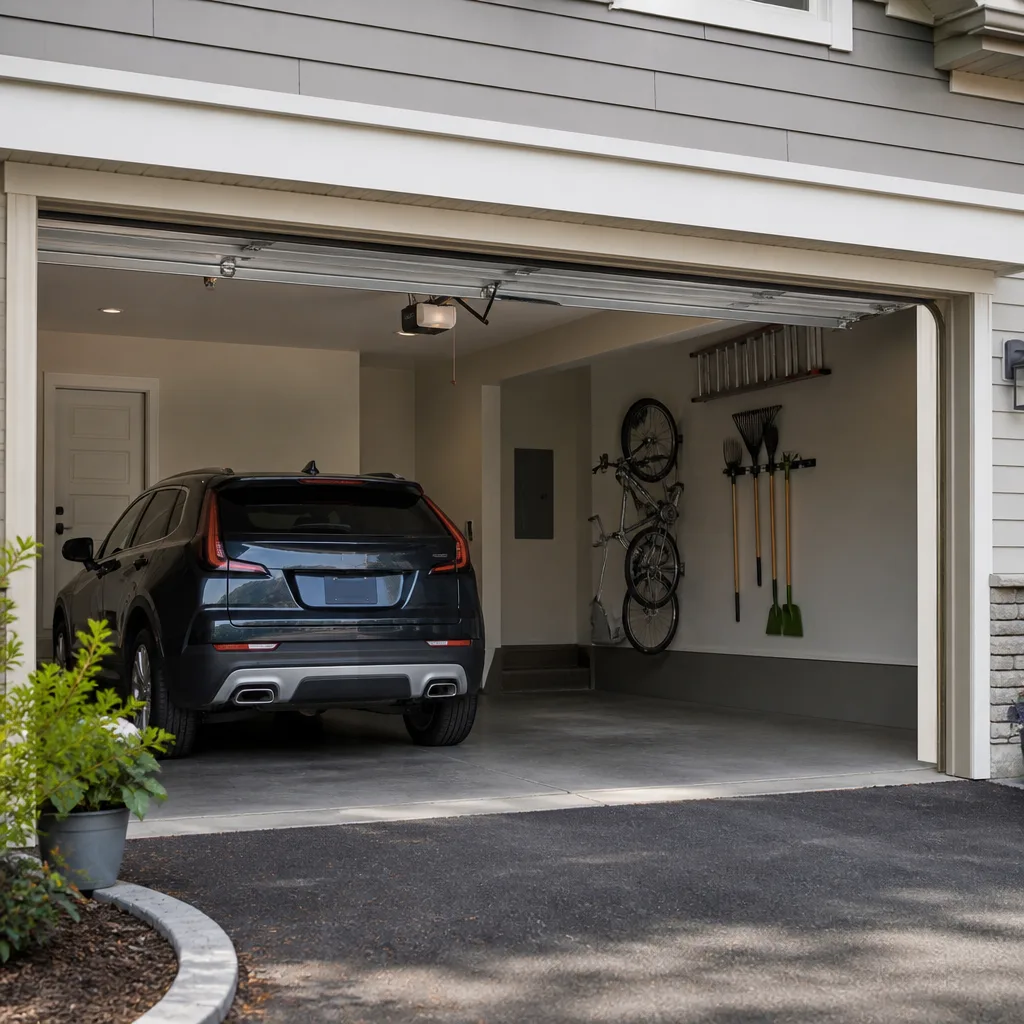 Chamberlain openers
Full 25-point door and opener safety check with every visit - springs, cables, rollers, tracks, and your LiftMaster or Chamberlain opener included
You get a price before we start. It does not change when the truck arrives.
Get your free estimateGarage Door Repair Troubleshooting in Pico Rivera: Common Problems and How to Fix Them
A garage door that reverses before it touches the ground isn’t broken. It’s doing exactly what it was programmed to do. The real culprit is usually a misaligned safety sensor, not a failing opener, and confusing those two things costs Pico Rivera homeowners an unnecessary service call. This guide teaches you to read your door’s behavior the way a technician does, so you trace the actual failure point instead of chasing the symptom. You’ll learn which fixes are safe to handle yourself, which ones need a professional, and how to describe the problem accurately when you call for help.
Styles & brands we work with
- Raised-panel steel
- Carriage house
- Modern flush
- Full-view glass
- LiftMaster openers
- Chamberlain openers
Quick Answer
Most garage door problems in Pico Rivera fall into one of three categories: sensor alignment issues, opener limit or force setting drift, or mechanical wear on springs, cables, and rollers. Start by checking whether the opener responds at all, then run the manual disconnect test to determine if the problem is in the drive system or the door itself. Sensor misalignment and dirty photo eyes are the two most common causes of a door that reverses mid-travel, and both are usually fixable without replacing parts.
Table of Contents
- How to Read Your Garage Door’s Behavior Like a Technician
- The Manual Disconnect Test: Separating Opener Failures from Mechanical Failures
- Symptom-to-Cause Matrix for Pico Rivera Garage Doors
- Why Pico Rivera’s Temperature Swings Mimic Sensor Problems
- DIY-Safe Fixes vs. Leave-It-to-a-Pro Repairs
- How to Reset Travel Limits and Force Settings on Major Opener Brands
- Common Mistakes to Avoid
- When to Call a Professional
- Frequently Asked Questions
- The Bottom Line
How to Read Your Garage Door’s Behavior Like a Technician
When a Pico Rivera homeowner calls us about a garage door that won’t close, the first thing we ask is simple: what does the door actually do when you press the button? The answer tells us more than any description of the noise it makes. A door that starts closing and then reverses is a different problem from a door that never moves at all. A door that closes but bounces back up an inch is different from one that stops halfway and hangs there.
Technicians think in terms of failure points, not symptoms. The symptom is “the door won’t close.” The failure point might be the photo eyes, the travel limit setting, the logic board, or a broken spring that’s preventing the opener from lifting the door’s full weight. Each failure point produces a slightly different behavior. Once you learn to spot the differences, you’ll know whether you’re dealing with a five-minute fix or a call to a professional.
Here’s what we listen for when a homeowner describes a problem:
- Reverses before touching the ground: Almost always the safety sensors. The door thinks something is in the way.
- Reverses after touching the ground: The travel limit is set too far, or the force setting is triggered by resistance at the floor.
- Opens but won’t close at all: Sensor obstruction, misalignment, or a wall button wiring issue.
- Closes but won’t open: Typically a broken spring, not an opener problem. The opener can’t lift the full weight.
- Moves slowly or jerks: Roller wear, track friction, or a spring that’s lost tension.
- Grinding noise: Usually the opener’s gear or sprocket, not the door panels themselves.
This framework works regardless of whether you have a Chamberlain opener, a Genie unit, or an older model from another manufacturer. The behavior is the diagnostic.
The Manual Disconnect Test: Separating Opener Failures from Mechanical Failures
The single most useful diagnostic tool you have is the red emergency release cord hanging from your opener’s rail. Pulling it disconnects the door from the drive system, which tells you immediately whether the problem is in the opener or in the door itself. Here’s how to run the test correctly.
- Close the door if it will close. Never pull the release cord when the door is open, because a broken spring will send a disconnected door crashing down.
- Pull the red cord down and toward the door. You’ll hear a click as the trolley disengages from the chain or belt.
- Lift the door manually. A properly balanced door should lift smoothly with moderate effort and stay open about three to four feet off the ground on its own.
- Lower the door manually. It should come down smoothly without wanting to drop or bind.
If the door lifts and lowers smoothly by hand, the problem is in the opener: the travel limits, force settings, logic board, or motor. If the door is extremely heavy, won’t stay up, or binds during manual operation, the problem is mechanical: springs, cables, rollers, or track alignment. This distinction matters because installing a new opener on a door with a broken spring doesn’t fix anything. The new opener will fail the same way.
In our experience covering garage door repair across Pico Rivera, the manual test saves homeowners from replacing openers they don’t need to replace. It’s the same first step our technicians take when they arrive.
Symptom-to-Cause Matrix for Pico Rivera Garage Doors
Here’s a straightforward reference table matching the most common garage door behaviors we see in Pico Rivera to their likely causes and the appropriate response. This is the same thinking a technician uses when they start diagnosing.
| Symptom | Most Likely Cause | DIY or Pro |
|---|---|---|
| Door reverses mid-travel, lights blink | Misaligned or dirty photo eyes | DIY-safe |
| Door opens but won’t close | Sensor obstruction or wall button short | DIY-safe first, pro if persists |
| Door closes then bounces back up | Travel limit set too far or force setting too sensitive | DIY-safe on most brands |
| Door moves slowly or labors | Worn rollers, dry tracks, or weakening springs | Pro recommended for springs |
| Grinding or clicking from opener | Worn gear or sprocket inside opener | Pro recommended |
| One side of door gaps at floor | Bent track, worn hinge, or uneven floor settling | Pro recommended |
| Door won’t lift at all, opener runs | Broken torsion spring | Pro only |
This matrix won’t cover every edge case, but it handles the large majority of service calls we get from homeowners in Pico Rivera. The key is matching the behavior exactly. A door that reverses at the same point on every cycle is different from one that reverses randomly, and random reversals point to sensor wiring or a force setting that needs adjustment.
Why Pico Rivera’s Temperature Swings Mimic Sensor Problems
Pico Rivera sits inland enough that summer afternoons get hot and winter nights drop cool. Those temperature swings cause the metal in garage door tracks to expand and contract measurably across a single day. When a track contracts slightly after sunset, the gap between the track and the rollers tightens just enough to add friction. The opener’s force sensor reads that friction as resistance, and the door reverses as if something were blocking it.
Here’s what that looks like in practice: your door works fine all summer day, but when you come home after dark in December, it starts reversing for no apparent reason. You check the photo eyes, they’re clean and aligned, and the door still misbehaves. The sensor isn’t the problem. The track has contracted enough to change how the door travels.
This seasonal pattern is common enough in Pico Rivera that we look for it before assuming a sensor failure. The fix is usually a minor track adjustment to restore proper clearance, not a new opener or new sensors. A technician can make that adjustment in one visit. Homeowners who keep resetting their force settings to compensate for a tight track eventually wind up with a door that slams harder than it should at the bottom of the cycle.
The takeaway: if your door works fine during the day but acts up at night or during cooler months, mention that pattern when you call. It tells us where to look first.
DIY-Safe Fixes vs. Leave-It-to-a-Pro Repairs
Some garage door problems are genuinely safe to fix yourself. Others are dangerous enough that no responsible technician would suggest you try. The line is clear once you understand what’s under tension.
DIY-Safe Fixes
- Cleaning photo eye lenses: Dust and spider webs on the small round lenses at the base of each track cause more false reversals than anything else. Wipe them with a dry cloth.
- Realigning sensors: Most sensors have a small indicator light. When both lights are solid, they’re aligned. When one blinks, loosen the wing nut, adjust the sensor until the light steadies, and retighten.
- Adjusting travel limits: On most openers, the limit controls are on the back or side of the motor unit. Small turns change where the door stops. Consult your opener’s manual for exact instructions.
- Lubricating rollers and hinges: A silicone-based garage door lubricant on the roller bearings and hinge pins reduces friction and quiets noise. Don’t use grease, which attracts grit.
- Tightening loose hardware: Bolts and brackets vibrate loose over time. A socket set and ten minutes catches most of it.
Leave It to a Professional
- Torsion springs: These are the large springs mounted on the bar above the door. They’re wound under enormous tension. A spring that releases unexpectedly can cause serious injury. Never attempt to adjust, replace, or even inspect a torsion spring closely without training.
- Extension springs and cables: The cables that run along both sides of the door are under the same tension as the springs. A snapped cable whips with enough force to cut.
- Track replacement or major realignment: A severely bent track needs to be replaced, and the job requires resetting the entire door’s balance.
- Opener gear replacement: Openers from brands like Chamberlain and Genie contain plastic gears that wear out. Replacing them requires opening the motor housing and working with internal components.
- Panel replacement on a door with a damaged panel: A single Clopay or Amarr panel replacement looks simple but affects the door’s weight distribution and balance. Getting it wrong shortens the life of every other component.
When you’re unsure where a fix falls, err on the side of calling. Sherwood Garage Door Repair gives homeowners free estimates in Pico Rivera, so you’re not paying to find out whether a problem is serious.
How to Reset Travel Limits and Force Settings on Major Opener Brands
Travel limits control where your door stops at the top and bottom of its cycle. Force settings control how much resistance the opener will push through before it reverses. Both settings drift over time, especially on doors that are used several times a day. Resetting them is a straightforward process on most openers, and it does not void the manufacturer’s warranty when done according to the manual.
Chamberlain and LiftMaster
- Locate the learn button on the back or side of the motor unit. It’s usually a colored square or round button.
- Press and hold the adjustment button until the up arrow light blinks.
- Press the up arrow to move the door to the desired open position, then press the adjustment button to lock it in.
- Repeat for the down position using the down arrow.
- Test the force setting by closing the door on a 2×4 laid flat on the floor. The door should reverse within about two seconds of contacting the wood. If it doesn’t, turn the force adjustment down slightly and retest.
Genie
- Find the limit controls on the side of the powerhead. On newer Genie models these are labeled clearly; on older ones they’re small dials or screws.
- Press and release the limit button until the door begins moving, then stop it at the desired position and press the limit button again to set.
- For force settings, consult your model’s manual for the exact sequence, since Genie uses different programming methods on different series.
Legacy Craftsman Systems
Older Craftsman openers use the same limit-setting method as Chamberlain, since they were manufactured under contract. Look for the adjustment dials on the side of the unit. If your Craftsman opener predates the colored-button era, the dials turn with a flathead screwdriver, and the manual is your best reference.
A couple of cautions apply to all brands. Setting the down limit too far makes the door slam into the floor and puts unnecessary stress on the panels. Setting the force too high overrides the safety reversal feature, which exists for a reason. If you’re not confident reading your opener’s manual, a garage door opener repair technician can recalibrate everything in one visit.
Common Mistakes to Avoid
- Replacing the opener when the spring is broken. The opener is the motor, not the lifting muscle. A new opener won’t lift a door with a snapped spring any better than the old one did. Test manually first.
- Ignoring a noisy door until it stops moving. Grinding, squealing, and rattling are early warnings. By the time the door won’t move, the repair is almost always more expensive than it would have been at the first sign of trouble.
- Adjusting force settings to compensate for a binding door. Crank up the force and the door moves, but the safety reverse no longer works the way it should. That’s a dangerous trade-off, especially in a Pico Rivera household with kids or pets.
- Using WD-40 on rollers and tracks. WD-40 is a solvent, not a lubricant. It washes away what lubrication is there and attracts dust. Use a silicone-based garage door lubricant instead.
- Tightening the torsion spring yourself. This is the one mistake homeowners make that carries real risk of serious injury. No amount of YouTube confidence changes how much energy is stored in that spring.
- Assuming all opener brands program the same way. A Chamberlain limit-setting sequence doesn’t match a Genie one. Using the wrong procedure can wipe your remote programming or, worse, set the door to stop mid-cycle and leave the garage unsecured.
When to Call a Professional
Some problems are worth diagnosing over a phone call. Others need a technician. Call a professional if your door has a broken or visibly stretched spring, a snapped cable, a bent track that binds the door, or an opener that runs without moving the door. Also call if you’ve tried the DIY fixes and the problem persists, because at that point you’re chasing something that needs test equipment or experience to diagnose.
Sherwood Garage Door Repair offers free estimates in Pico Rivera. We work on what you already have, whether that’s a Chamberlain opener, a Genie system, or a Clopay or Amarr door. Call (866) 618-5424 and describe the behavior. We answer 24/7. Fast dispatch from 7am to 7pm, Sunday through Friday.
Frequently Asked Questions
The most common cause is a misaligned or obstructed safety sensor. The two photo eyes at the base of each track must face each other with a clear line of sight. A blinking light on one sensor indicates misalignment. Pico Rivera’s dry, dusty summers also coat the lenses, so a quick wipe with a dry cloth solves many false reversals. Call (866) 618-5424 if the problem persists after realignment.
A broken torsion spring usually produces a loud bang that sounds like a firecracker, and the door will not lift even though the opener runs. Look above the closed door: if you see a visible gap in the spring coil, the spring has snapped. This is not a DIY repair. The spring is under high tension and can cause serious injury. Call us for a free estimate.
Yes. Cleaning the photo eye lenses and realigning them is one of the safest and most common DIY garage door repairs. Loosen the wing nut holding the sensor bracket, adjust the sensor until its indicator light glows steady, then retighten. If the light won’t steady after cleaning and adjusting, the sensor or its wiring has failed and should be checked by a professional.
A grinding noise from the opener housing usually means the internal plastic gear is worn. This is common on older Chamberlain and Genie openers after years of daily cycles. The gear is replaceable, but the repair requires opening the motor unit and working with internal components. A technician can confirm the diagnosis and complete the repair in one visit.
Manufacturer warranties cover defects in materials and workmanship, not wear-and-tear failures like a stripped gear or damage from a door that was out of balance. However, adjusting your travel limits and force settings according to the manual does not void your warranty. If you’re unsure whether a repair is covered, we can help you check what your specific brand and model warranty includes before any work begins.
Estimates are free. The cost of a repair depends on what the troubleshooting finds: a sensor realignment might be a brief service call, while a spring replacement involves parts and more involved labor. The price is quoted in writing and agreed upon before any work starts, so there are no surprises. Call (866) 618-5424 for a free estimate and we’ll tell you exactly what the fix involves.
The Bottom Line
Most garage door problems in Pico Rivera come down to sensors, settings, or springs. The photo eyes cause false reversals. The travel limits and force settings drift and need periodic recalibration. The springs wear out and need a professional to replace. If you learn to read the door’s behavior and run the manual disconnect test, you’ll know which category you’re in before you ever pick up the phone. And when the problem is beyond a DIY fix, describe what the door does, not what you think is wrong. A good technician will ask the right questions from there.
Written by the team at Sherwood Garage Door Repair, serving Pico Rivera since 2011.
See the difference
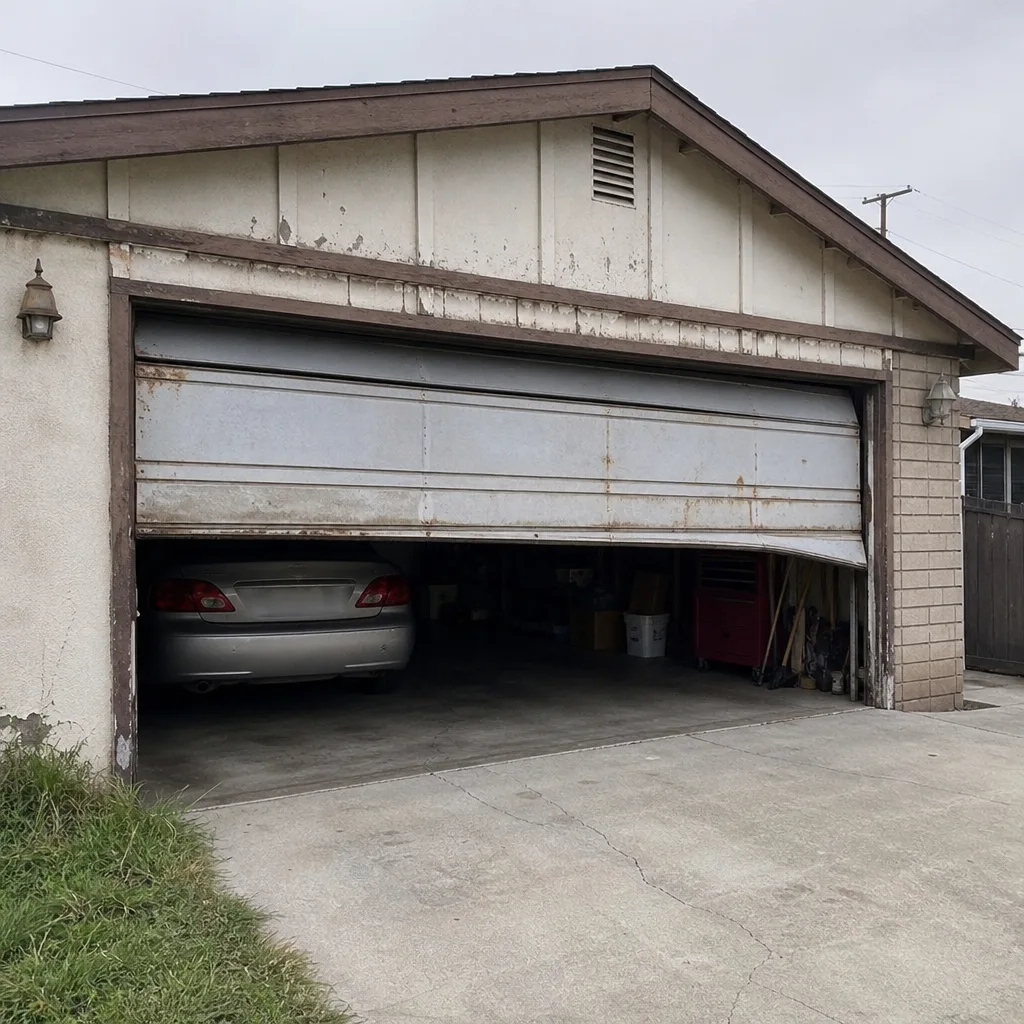 Before
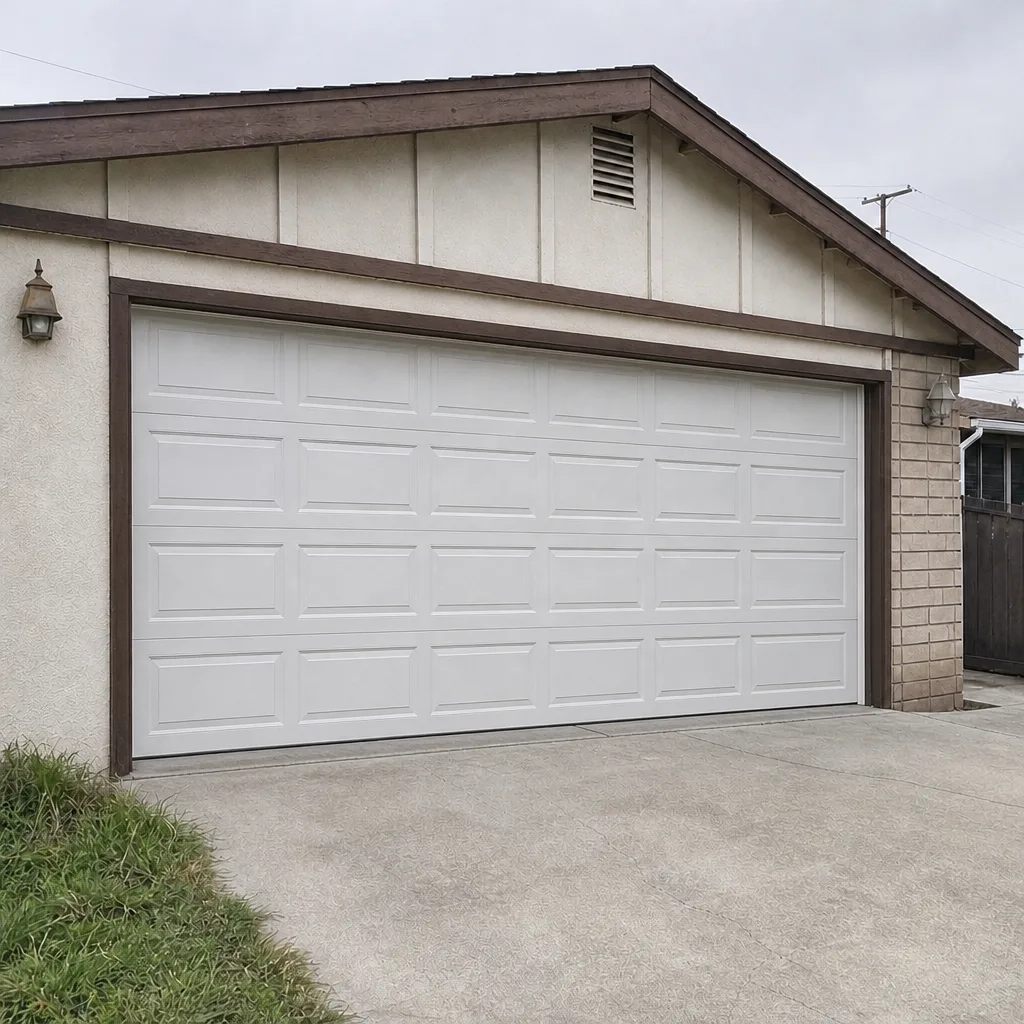 After
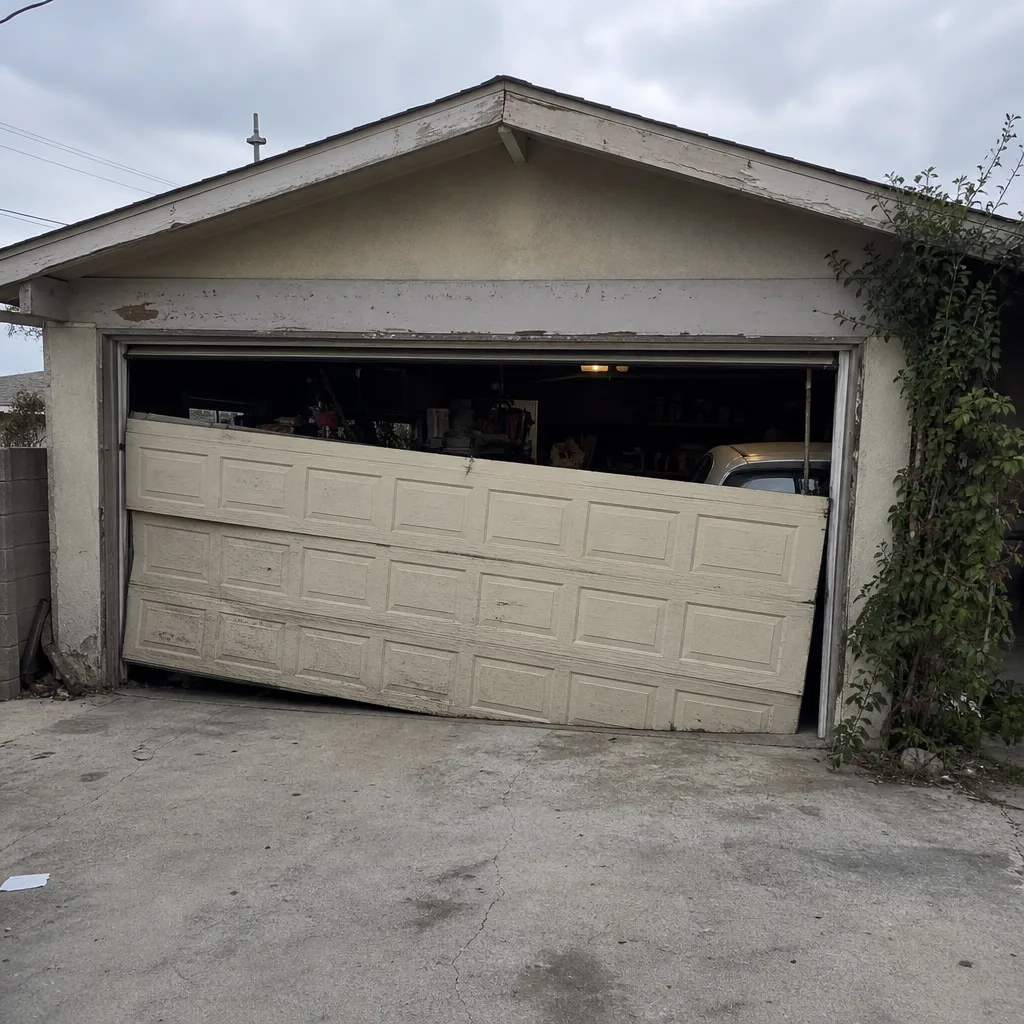 Before
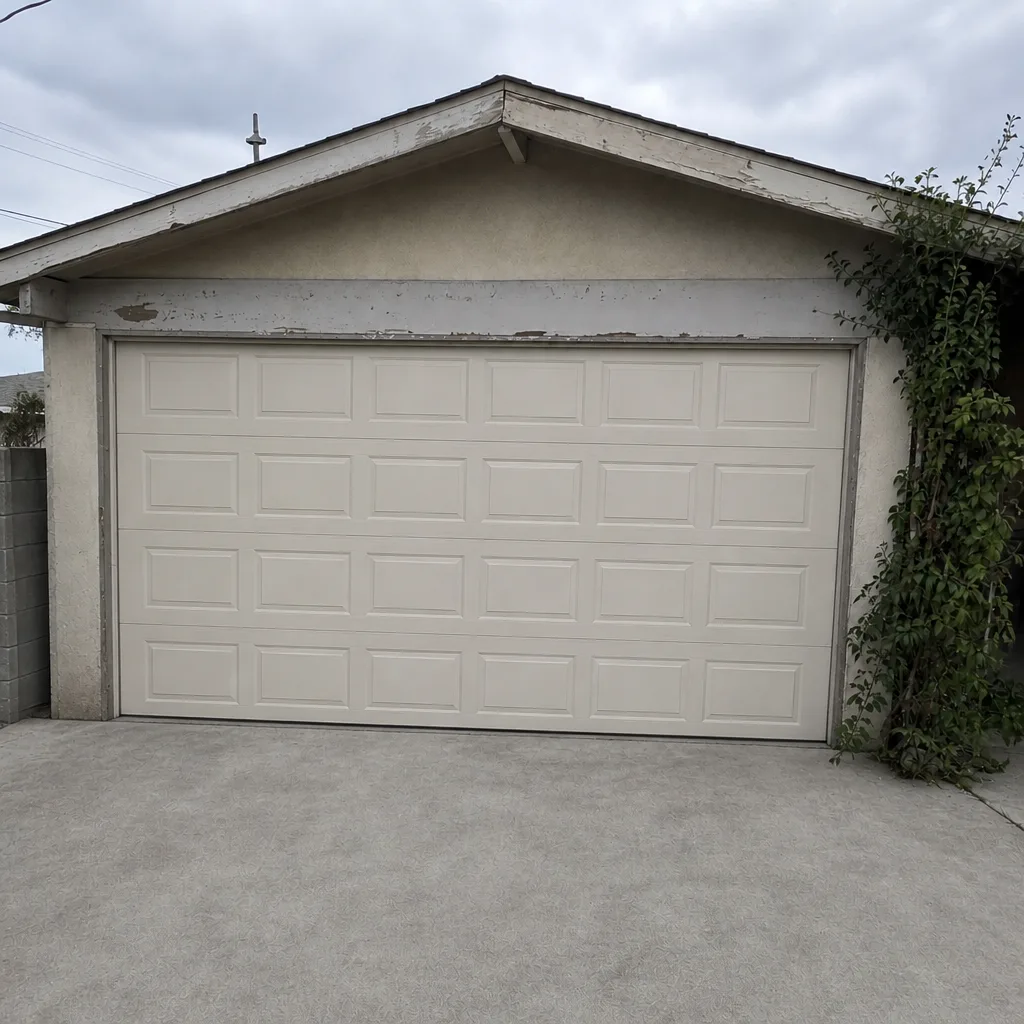 After
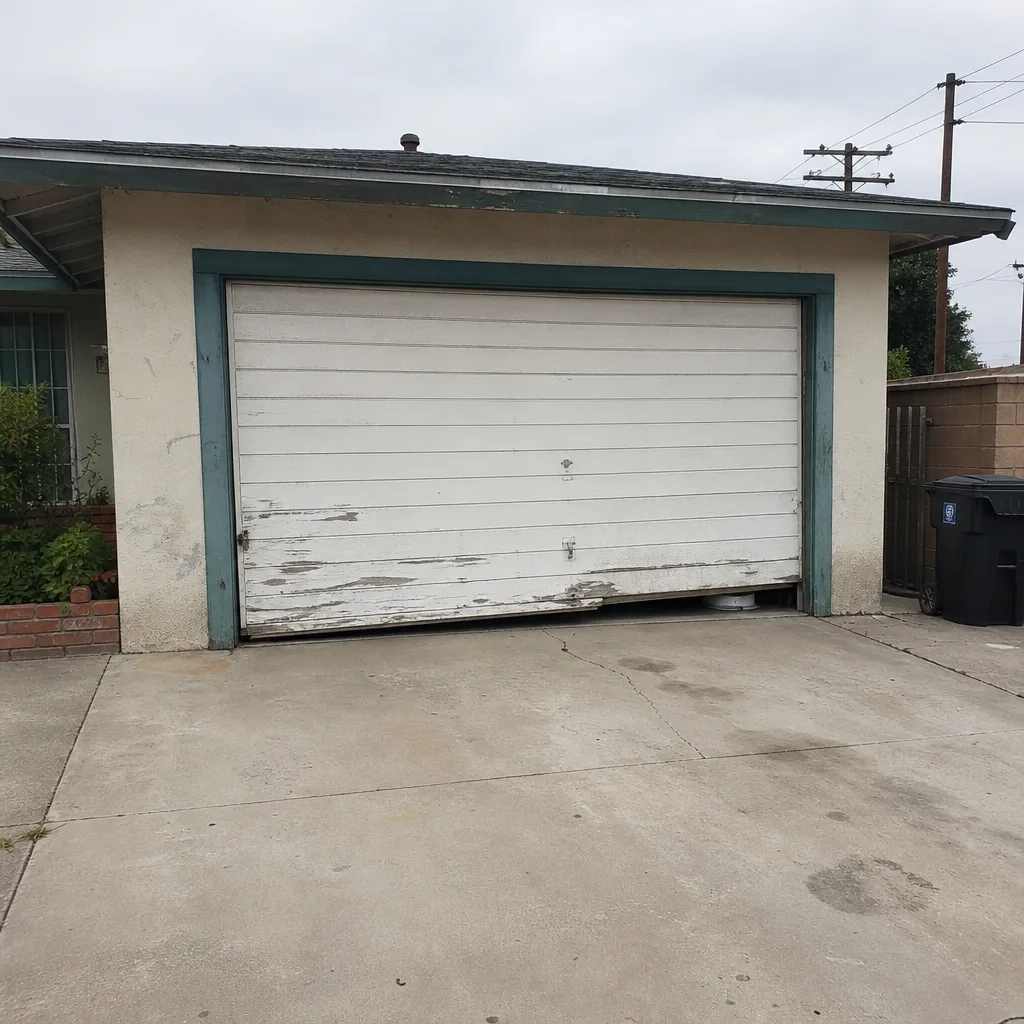 Before
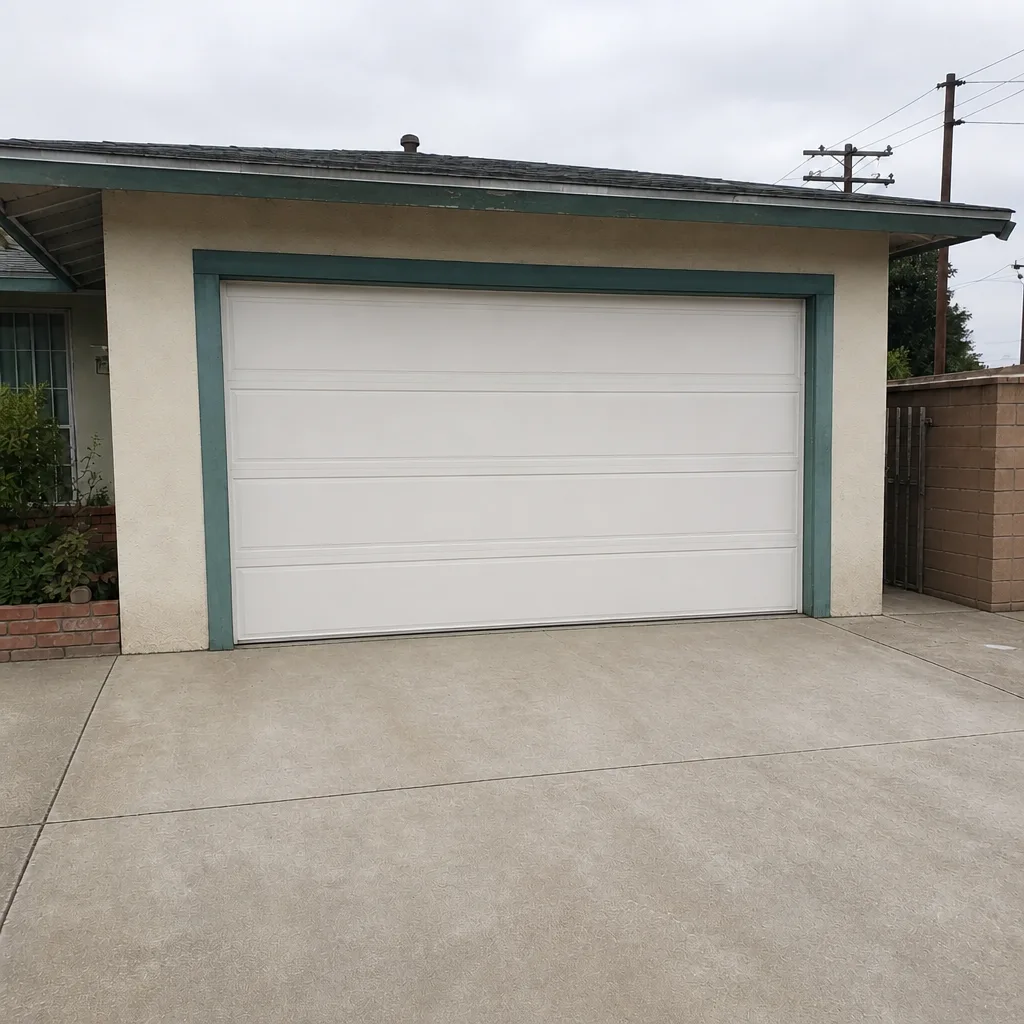 After