
Last updated November 4, 2026
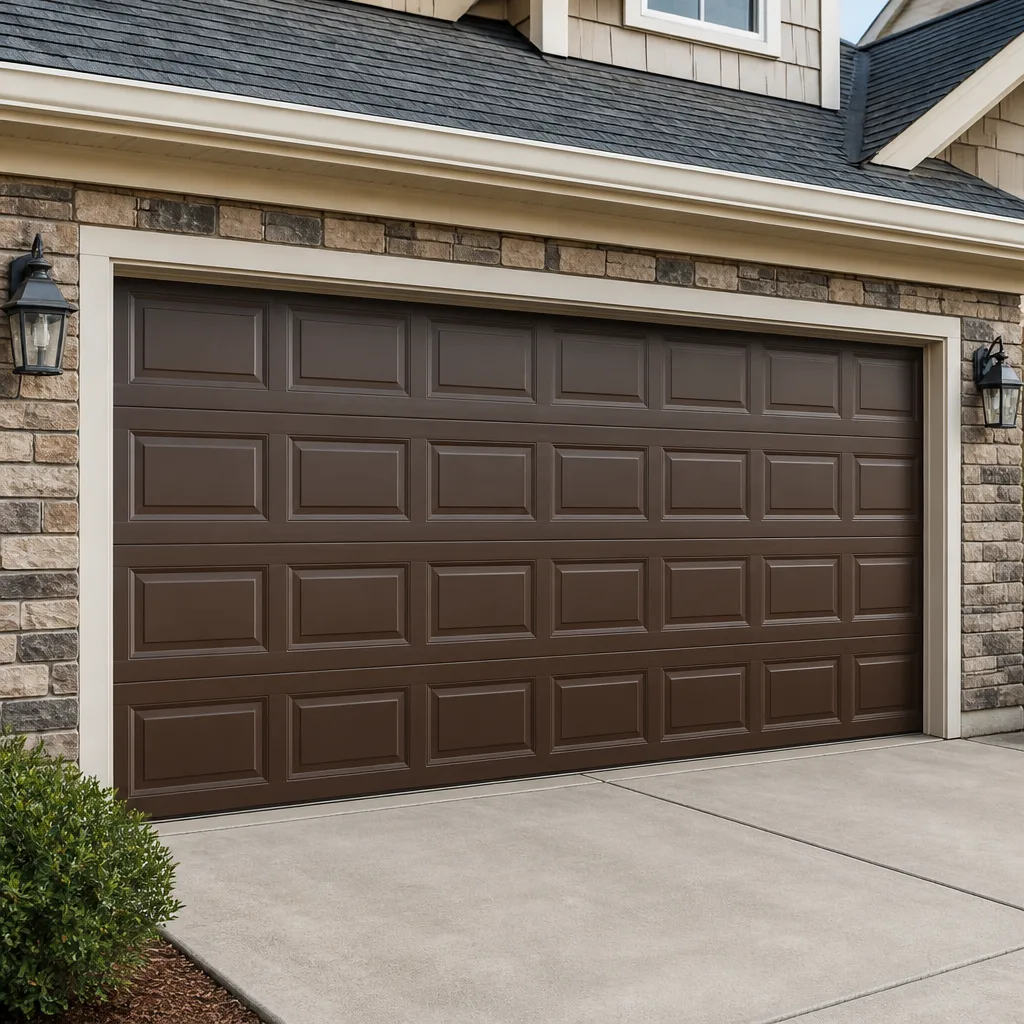 Raised-panel steel
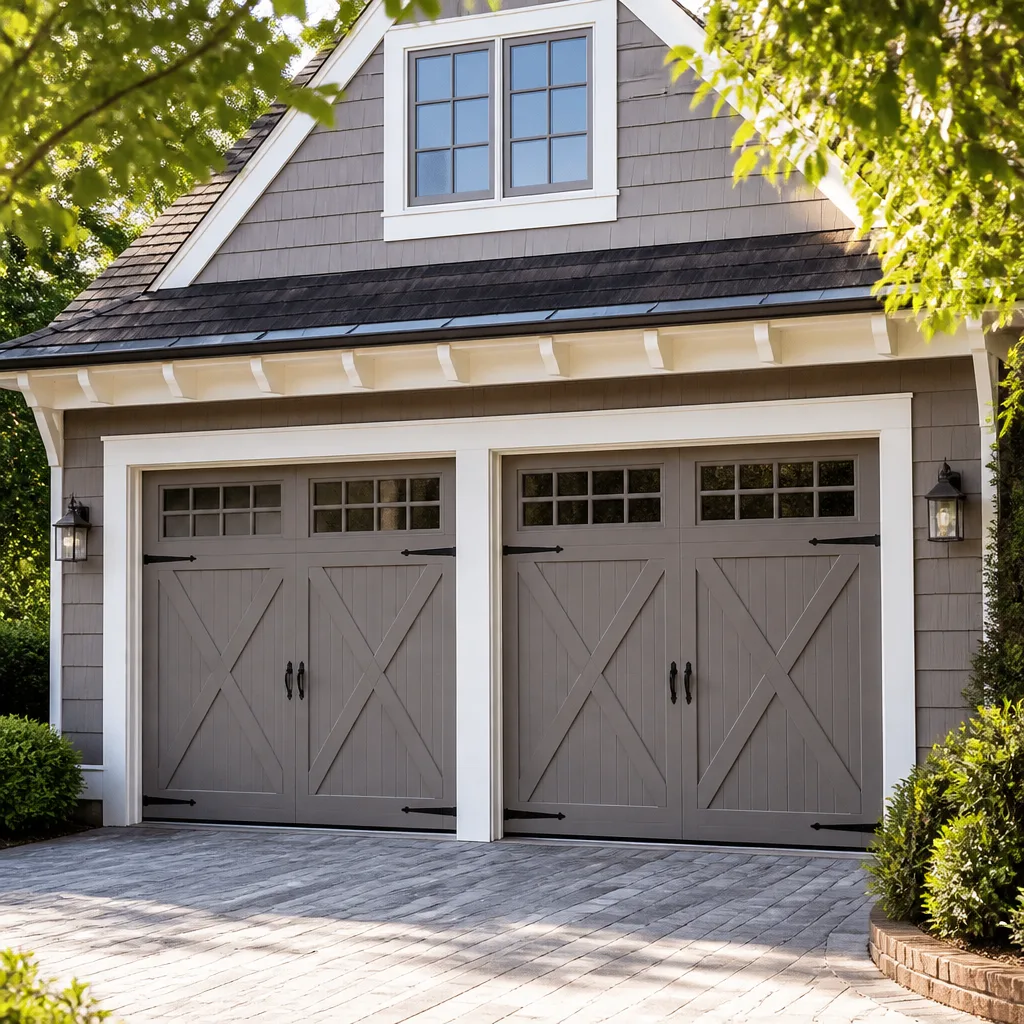 Carriage house
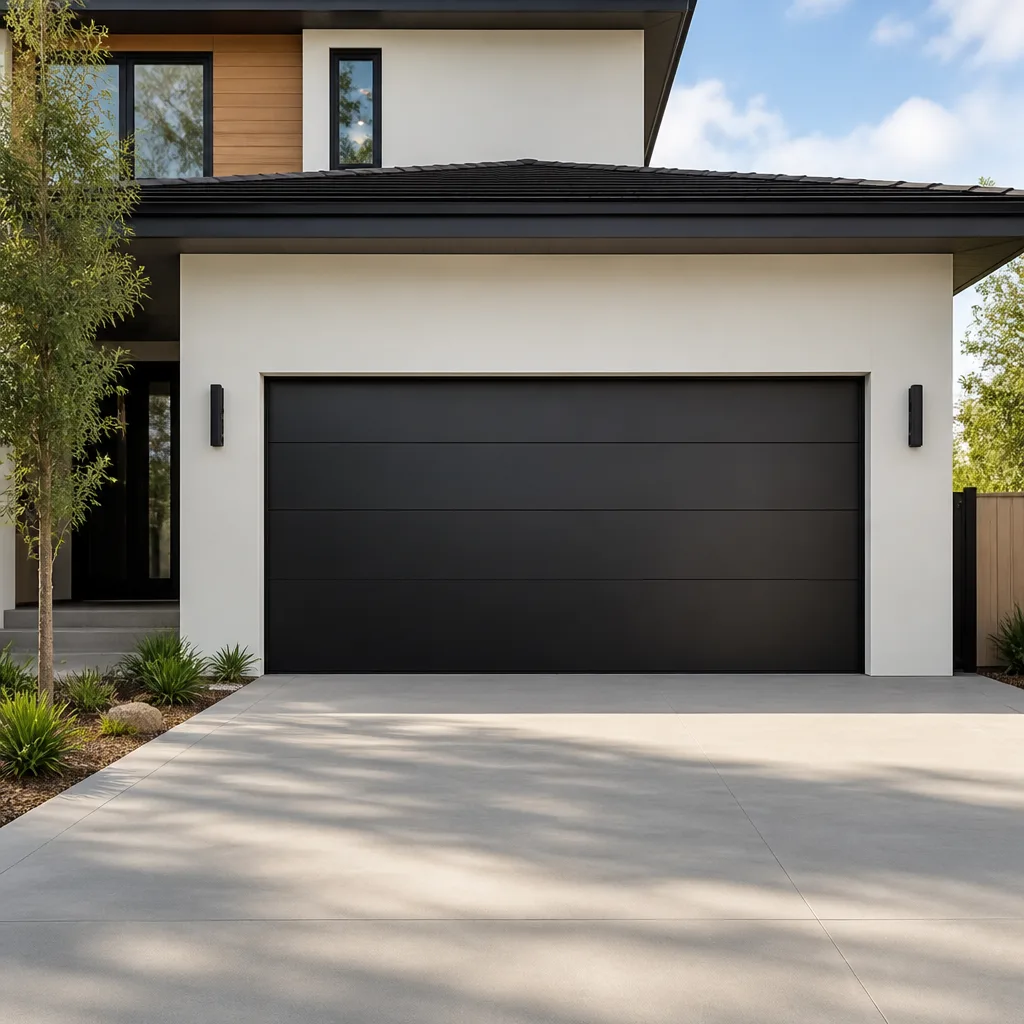 Modern flush
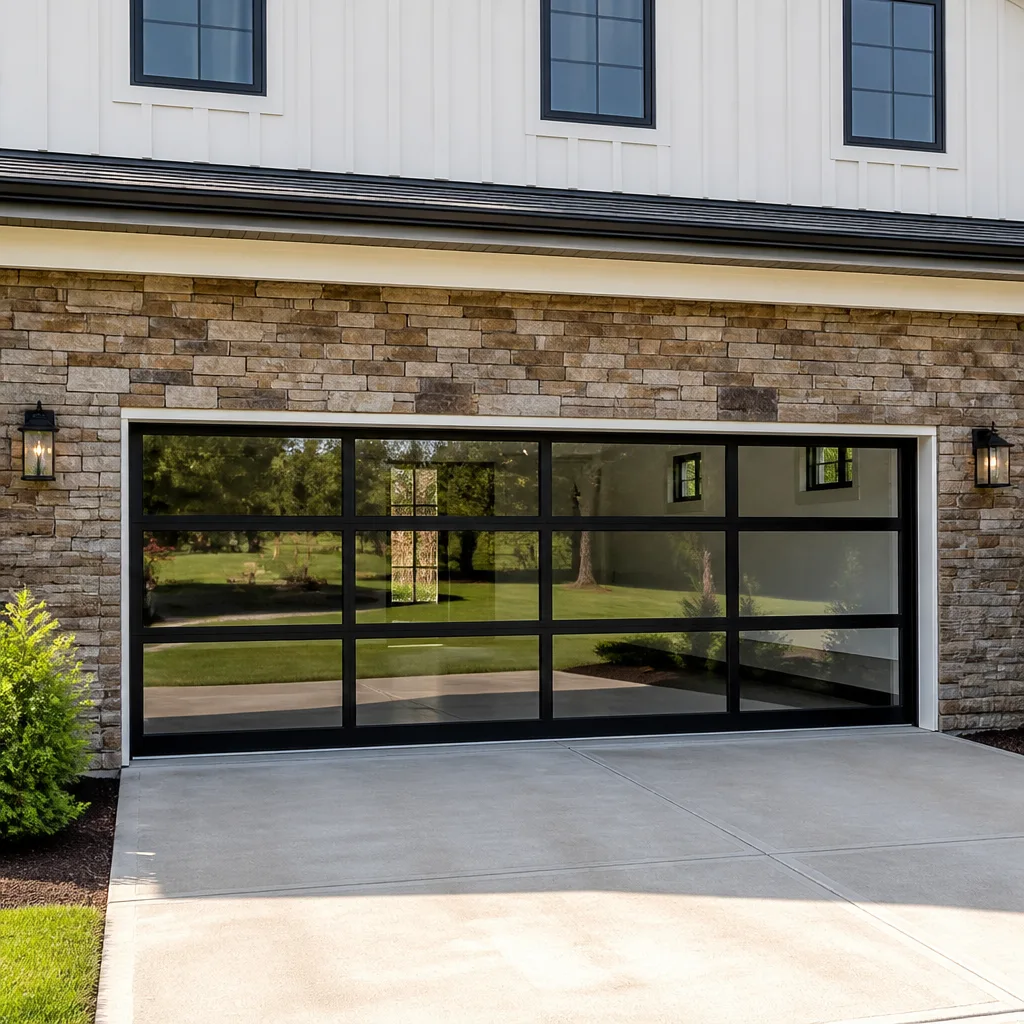 Full-view glass
 LiftMaster openers
 Chamberlain openers
Full 25-point door and opener safety check with every visit - springs, cables, rollers, tracks, and your LiftMaster or Chamberlain opener included
You get a price before we start. It does not change when the truck arrives.
Get your free estimateSeasonal Garage Door Care for Pico Rivera: Year-Round Homeowner’s Guide
Most seasonal garage door advice reads like it was written for Minnesota, where a garage door freezes shut and snow piles against the track. Pico Rivera doesn’t have that problem, which is exactly why the generic advice fails here. Our actual weather pattern creates a specific set of stresses: summer heat that expands steel panels until they bind, Santa Ana winds that push doors off their tracks, winter rain that swells the clay soil under your slab, and a spring marine layer that fogs up photo sensors. This guide covers the maintenance tasks that actually matter for a garage door in Pico Rivera, month by month, in the order the weather here throws them at you.
Quick Answer
Seasonal garage door care in Pico Rivera means adjusting for four distinct local conditions: dry heat expansion in summer, Santa Ana wind strain in fall, rain-related soil movement in winter, and marine-layer moisture in spring. The highest-impact tasks are lubricating and checking track clearance before the July heat peak, doing a 10-minute post-wind-event inspection after Santa Ana events, and replacing cracked bottom seals before the winter rain season starts.
Styles & brands we work with
- Raised-panel steel
- Carriage house
- Modern flush
- Full-view glass
- LiftMaster openers
- Chamberlain openers
Table of Contents
- Summer Heat and Metal Expansion: What Actually Happens to Your Door
- Santa Ana Wind Season: The Overlooked Track Killer
- Winter Rain and Pico Rivera’s Clay Soil: Why Doors Shift
- Spring Marine Layer: Wood Swelling and Sensor Fog
- Month-by-Month Task Calendar for Pico Rivera
- The Right Way to Lubricate a Garage Door (And What You’re Probably Doing Wrong)
- Common Mistakes to Avoid
- When to Call a Professional
Summer Heat and Metal Expansion: What Actually Happens to Your Door
Pico Rivera’s summer temperatures routinely push into the 90s, and a steel garage door sitting in direct afternoon sun absorbs that heat aggressively. Dark-colored doors can reach surface temperatures 30 to 40 degrees above the ambient air temperature. That heat causes the metal panels to expand, and the expansion changes the door’s geometry in ways you can hear and feel.
The most common symptom we see in Pico Rivera summers is a door that suddenly scrapes or binds against the track on one side. Homeowners assume the door “warped” or the track “bent,” but in most cases the metal panel expanded and the track clearance that was adequate in March is simply gone in August. The door didn’t change permanently; it changed for the season.
What to inspect before the heat peak hits, usually in late June or early July:
- Track clearance: With the door closed, run your hand along the vertical track on both sides. You’re checking for any point where the door edge is sitting closer than a quarter inch to the track. Expansion will tighten that gap further.
- Roller wear: Nylon rollers with worn bearings grind audibly when heat expansion adds resistance. Listen for a rough, rumbling sound rather than a smooth roll.
- Lubrication condition: Dry hinges and rollers bind more under heat load. If you haven’t lubricated since winter, now is the time.
- Spring tension feel: A door that feels noticeably heavier in late afternoon heat than it does in the morning may have a spring nearing the end of its cycle life. Heat alone doesn’t kill a spring, but heat plus a tired spring equals a door that won’t stay up.
The fix for heat-related binding is often just adjusting track spacing and lubricating. On a steel door from Clopay or Raynor, those track brackets have adjustment bolts for a reason. The adjustment takes a technician ten minutes; ignoring the scraping for two more summers chews through rollers and eventually stresses the opener carriage. If your LiftMaster opener is grinding through a heat-expanded door, the strain lands on the gear and sprocket assembly inside the unit, which is a repair that costs more than the track adjustment ever would.
Santa Ana Wind Season: The Overlooked Track Killer
Santa Ana wind events are one of the most underappreciated causes of garage door track misalignment in the San Gabriel Valley. The rapid pressure changes push against the full face of a closed garage door with surprising force. A 14-foot-wide double door is a giant sail, and sustained gusts hitting it dead-on transfer that pressure into the track brackets, the hinges, and the torsion spring assembly.
What makes Santa Ana damage different from normal wear is that it happens in bursts. A door that worked fine on Monday can be scraping on Wednesday after a Tuesday wind event. Homeowners attribute it to “the door getting old” rather than to a specific weather event, but the timeline usually lines up.
The 10-minute post-event check, to do after any strong Santa Ana event in Pico Rivera:
- Run the door up and down once. Listen for new scraping, rattling, or a change in pitch. Any change from last week is worth investigating.
- Check the gap between door and seal. Wind-driven dust and debris gets forced between the door and the side seals. Roll a flat hand down both sides exterior while the door is closed and check the daylight gap. A widened gap means the door shifted in its track.
- Look at the top brackets. These are the brackets that connect the top panel to the track. High wind load doesn’t bend the panel first; it bends the bracket.
- Test the opener’s force setting. If the door now hits more resistance partway up, wind stress may have tweaked the track or a roller. A Chamberlain or Genie opener that keeps reversing mid-cycle after a wind event is often reacting to that new resistance.
The other Santa Ana effect is dust. Fine particulate from the Santa Ana winds gets into the track channels and onto the rollers. Dry dust plus grease creates an abrasive paste. After any significant wind event, a quick wipe of the interior track channels with a dry rag prevents that grit from wearing grooves into your nylon rollers. If your door sits in a west-facing or north-south aligned exposed driveway, it catches more of this than a sheltered interior-facing garage does.
Winter Rain and Pico Rivera’s Clay Soil: Why Doors Shift
Pico Rivera’s winter rain does something most seasonal garage door guides never account for: it changes the ground under your garage. The soil here is heavy with clay, and clay expands when it absorbs water. After a run of winter storms, the soil around and under a garage slab swells, and the slab can move a fraction of an inch. That fraction is enough to take a perfectly aligned door and make it bind at the bottom or lift unevenly at the top.
The symptoms appear subtly. You might notice the door starts to sit slightly uneven at the bottom when closed, or the gap between door and floor is visibly larger on one side. Sometimes the door “shudders” briefly as it clears the bottom section travel because the track no longer matches the slab’s new position. None of this is dramatic, but all of it puts uneven load on the hinges, rollers, and spring system.
The second winter issue is the bottom seal. Pico Rivera’s winter rains aren’t long, but when they come, pooled water at the base of a garage door is common. A cracked or flattened bottom seal lets that water run into the garage, but it also lets the door sit harder against the slab, compressing the seal further. Replacing a bottom seal before the wet season starts is a cheap preventative. Waiting until February means dealing with a wet garage floor and a door that has been wicking moisture along its bottom panel edge.
What we recommend for Pico Rivera winter prep:
- Inspect the bottom seal in November. Look for cracks, flat spots, or gaps where water can run under. A seal that’s still pliable and seated flush is fine for another season.
- Check drainage outside the door. Fallen leaves and wind-deposited debris in the driveway approach can channel water toward the door rather than away from it. A quick broom sweep after Santa Ana season pays off.
- Lubricate before the rain starts. Wet weather plus cold overnight temperatures in the 40s makes un-lubricated metal parts stickier. Do your winter lubrication in early December while conditions are still dry.
- Run the door twice monthly if you park outside. A garage door that sits unused through the wet season develops flat spots on the bottom seal and stiffness in the hinges.
We’ve worked on doors in the neighborhoods along Rosemead Boulevard and down toward the river channel where the combination of older slabs and clay-heavy soil makes winter shifting more pronounced. The door itself is rarely “broken” in these situations; it needs realignment to match the slab’s current position, and sometimes a fresh bottom seal to close the new gap. A garage door repair visit in winter is more often an adjustment than a parts replacement, but left too long, the misalignment chews up wheels and panel edges until parts do need replacing.
Spring Marine Layer: Wood Swelling and Sensor Fog
Spring in Pico Rivera brings the marine layer, that low gray overcast that rolls in during May and June, keeping mornings damp and cool before the sun burns it off. The humidity spike affects two parts of a garage door system more than any other: wood doors and photo-eye sensors.
If you have a wood garage door, spring is when you’ll see the tightest fit. Wood absorbs the marine-layer moisture and swells. Wood doors that open easily in October can stick in their openings in May. The swelling is usually uniform, so the fix is seldom dramatic; a door that’s stuck at the latch edge often just needs the latch plate reset outward by a sixteenth of an inch, and sometimes the top panel needs a slight trim to clear the opening. Steel doors don’t swell, which is one reason so many Pico Rivera homeowners have moved toward steel or composite doors. Amarr and Clopay both make steel and composite doors that sidestep the marine-layer swelling entirely.
The sensor issue is more universal. Garage door photo-eye sensors, the small units mounted low on each side of the door opening, are sensitive to condensation. During marine-layer mornings, moisture forms on the sensor lenses and scatters the infrared beam enough that the opener reads the path as obstructed. The symptom is classic: the door starts closing, stops, and reverses for no apparent reason, usually in the early morning and usually intermittently. Homeowners sometimes replace a perfectly good Chamberlain or Genie sensor because a foggy morning made it act up.
What we tell Pico Rivera homeowners about the marine-layer season:
- Wipe sensor lenses with a dry cloth on foggy mornings. A quick pass over both lenses clears the condensation and restores the beam. It’s not a repair, just a seasonal reality.
- Wait an hour before assuming the sensor failed. If the door works fine by mid-morning, the morning issue was condensation, not a bad sensor.
- Check sensor alignment anyway. Fog reveals marginal alignment faster than dry weather. If one sensor was slightly out of line, the weakened beam plus fog pushes it over the edge. Aligning the sensors takes a minute.
The marine layer also makes spring the right season for checking your door’s balance. By spring, the door has been through the summer heat cycle, the Santa Ana season, and the winter wet period. Running a balance check in late spring tells you how much of that accumulated stress the spring system absorbed. Disconnect the opener, manually lift the door halfway, and let go. A balanced door stays put. A door that drifts downward needs spring attention. If yours drifts, have it checked before the summer heat arrives and adds expansion friction to an already tired spring.
Month-by-Month Task Calendar for Pico Rivera
This calendar is built around Pico Rivera’s actual climate, not a generic four-season template. Each month lists one or two tasks that line up with what the local weather is doing at that time.
January and February
These are the wettest months. Check the bottom seal for water intrusion after every significant rain. Look for daylight under the door when closed, and watch for black lines forming along the bottom panel edge, which is moisture wicking into the panel. Run the door through a full cycle on dry days to keep hinges loose. If the door is sticking or scraping after a rain, it’s probably the slab shifting and the track needs realignment.
March
March is the transition month: the last rains and the first warming trend. This is the ideal month for a full lubrication pass while temperatures are still moderate. Clean the track channels out with a dry rag. Inspect the cables on both sides for fraying. Check the balance. If anything seems off, March is the cheapest month to fix it, because the summer heat hasn’t arrived to make minor issues severe.
April and May
Marine layer season. Expect the photo-eye fog issue on overcast mornings and keep a dry cloth handy near the door. Wood doors will be at their most swollen; don’t force a sticking door, since the jam is likely seasonal. Check weatherstripping on all four sides of the opening, since damp mornings reveal gaps that dry afternoons hide. Replace any side seal that has gone brittle over the winter.
June
Pre-heat inspection. Track clearance check, roller wear check, lubrication top-off if winter lubrication is drying out. Listen for any scraping that wasn’t there in spring. If the door needs a track adjustment, do it now; doing it in July means adjusting a heat-expanded door, which is adjusting a moving target.
July and August
Peak heat. Watch for new binding or scraping, especially on dark-colored doors facing south or west. Heat expansion is at its maximum. Don’t make major track or spring adjustments now, since the door’s dimensions are not its year-round dimensions. Instead, note any problems and schedule the fix for cooler weather, unless the door is binding badly enough to strain the opener.
September and October
Santa Ana season begins. After every significant wind event, do the 10-minute post-event check described above. Clean wind-blown dust from track channels and roller assemblies. Check that the door is still sealing evenly on both sides. Watch for new opener behavior, like reversing mid-cycle or grinding sounds, which signal that wind stress has changed the door’s geometry.
November
Pre-rain prep. Replace the bottom seal if it’s cracked, flattened, or gapped. Check drainage outside the door and clear leaves and debris. Lubricate one final time before the wet season. Confirm that the door closes flush against the slab; if the Santa Ana season pushed it slightly off, have it realigned now, before rain runs under it.
December
Winter wet season begins. Check the bottom seal after rains. If the door sits unevenly or shudders at the bottom of travel, watch for slab movement. No major maintenance needed this month; just note any new symptoms and keep the track clear of debris.
The Right Way to Lubricate a Garage Door (And What You’re Probably Doing Wrong)
Lubrication is the single highest-leverage maintenance task a homeowner can do, but most people do it in a way that makes things worse. The number one mistake is using WD-40 on everything. WD-40 is a solvent and water displacer, not a garage door lubricant. It strips away existing lubrication and leaves metal parts running dry. In Pico Rivera’s dry, dusty climate, dry metal parts grind and wear quickly.
What to use and where:
- Hinges: A silicone spray or white lithium grease. Spray the hinge pivot points, not the hinge faces. Two seconds per hinge is plenty.
- Rollers: Only the metal rollers with ball bearings. Nylon rollers should be lubed on the stem, not the wheel. If you have sealed nylon rollers, leave them alone; adding lubricant just attracts dust.
- Torsion spring: A light coat of spray lithium grease along the top of the spring while the door is up. Do not use penetrating oil; it thins the spring’s protective coating.
- Track: Nothing. The track should be dry and clean. Lubricating the track is the second most common mistake after WD-40; a greased track collects dust and grinds it into the rollers. Wipe the track, don’t oil it.
- Opener rail: Check your opener type. A screw-drive rail from LiftMaster or Genie takes a specific grease on the screw threads. A belt-drive rail takes nothing; the belt rides on dry plastic. Lubricating a belt-drive rail is a mistake.
Frequency matters with Pico Rivera’s dust. If you lubricate too heavily or too often, you create a sticky film that catches airborne dust, and the dusty lubricant turns into a grinding paste. Two light passes per year, in March and November, is the right cadence for most doors here. If the door sits on a busy street or a driveway that gets heavy Santa Ana wind dust, do three passes: March, July, and November.
The tell-tale sign of over-lubrication is a black, gummy buildup at the hinge points. That buildup is lubricant mixed with dust, and it’s abrasive. Wipe it off with a rag and reapply a lighter coat. The goal is a thin film, not a visible layer.
Common Mistakes to Avoid
- Following a general four-season calendar. A Minnesota-style seasonal guide has you winterizing for snow in October and checking for ice in January. Pico Rivera’s seasonal cycles are heat, wind, rain, and fog; following the wrong calendar means checking for problems that never happen and missing the ones that do.
- Lubricating the track. A greasy track collects Pico Rivera’s fine airborne dust and turns it into grinding paste that eats rollers. The track should be clean and dry.
- Waiting until the door binds to adjust the track. By the time a heat-expanded door is scraping audibly, the rollers and panel edges have already been taking damage for weeks. The June pre-heat inspection exists to catch tight clearance before it becomes scraping.
- Adjusting spring tension during peak heat. Your door’s dimensions in July are not its dimensions in December. A spring adjustment meant to fix a heat-season symptom will leave the door misaligned when the weather cools. Adjust in March or November.
- Ignoring post-Santa-Ana symptoms. A new scrape after a wind event is not “the door getting old.” It’s a specific event. The longer it goes ignored, the more roller and hinge wear it causes.
- Forcing a swollen wood door in spring. When the marine layer swells a wood door, forcing it past the jam bends the latch hardware or splits the panel edge. If it sticks, check where and listen; the fix is usually an adjustment, not force.
- Replacing a working sensor because of a foggy morning. Condensation on the sensor lens interrupts the beam and makes the opener reverse. If the door works fine once the morning burns off, the sensor is not the problem.
When to Call a Professional
Some seasonal maintenance is genuinely DIY: wiping track channels, cleaning sensor lenses, checking the bottom seal. But other conditions call for a trained technician, and the sign is usually the same: the door is doing something it didn’t do last week. A door that scrapes one side, or shudders at the bottom, or reverses mid-cycle, or sits unevenly at the floor is a door with a geometric or mechanical problem. Adjusting torsion springs, realigning tracks, and changing cables are not safe or satisfying DIY projects; the torsion spring holds enough tension to cause serious injury if mishandled. A professional can diagnose a brand-specific issue, on a LiftMaster or a Raynor or a Clopay, faster than a generalist, and the fix is often a quick adjustment rather than a parts replacement. Sherwood Garage Door Repair offers free estimates in Pico Rivera; call (866) 618-5424 and we’ll check what’s going on with your door.
See the difference
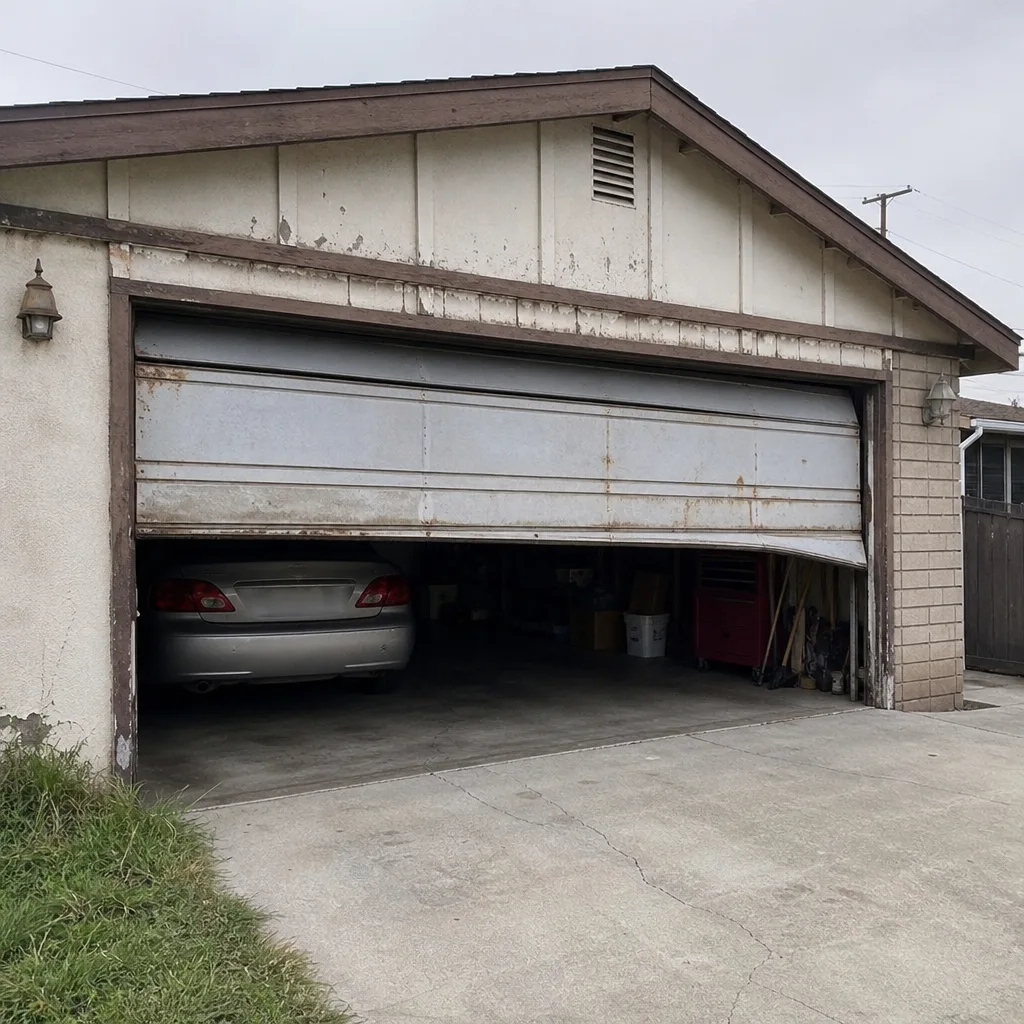 Before
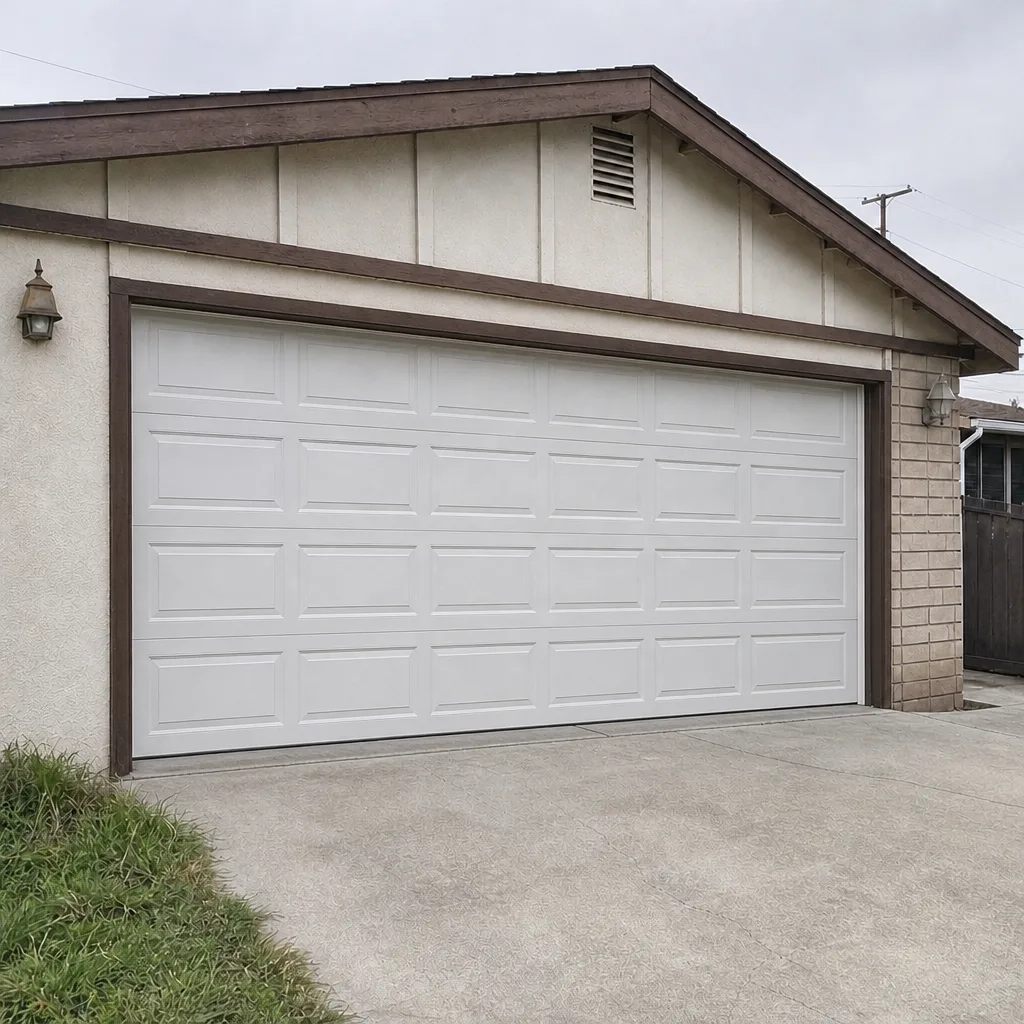 After
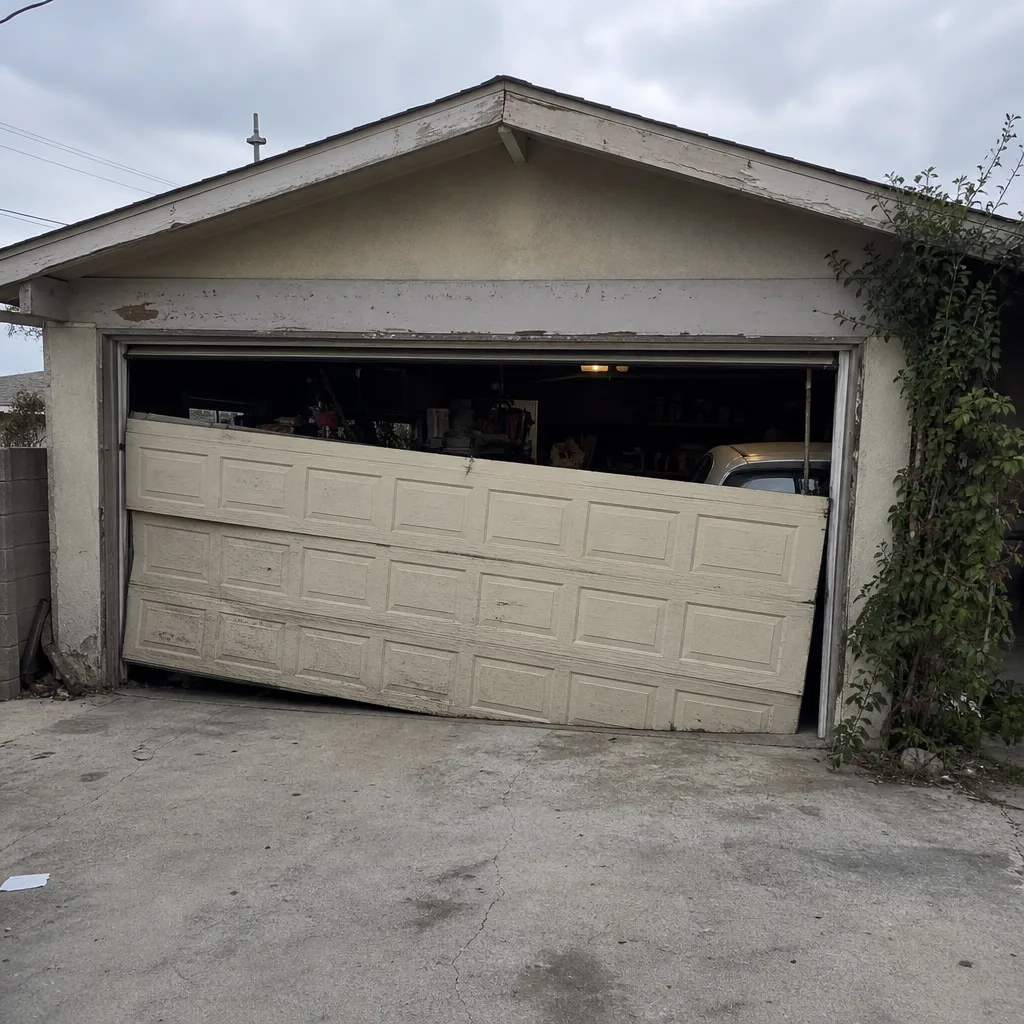 Before
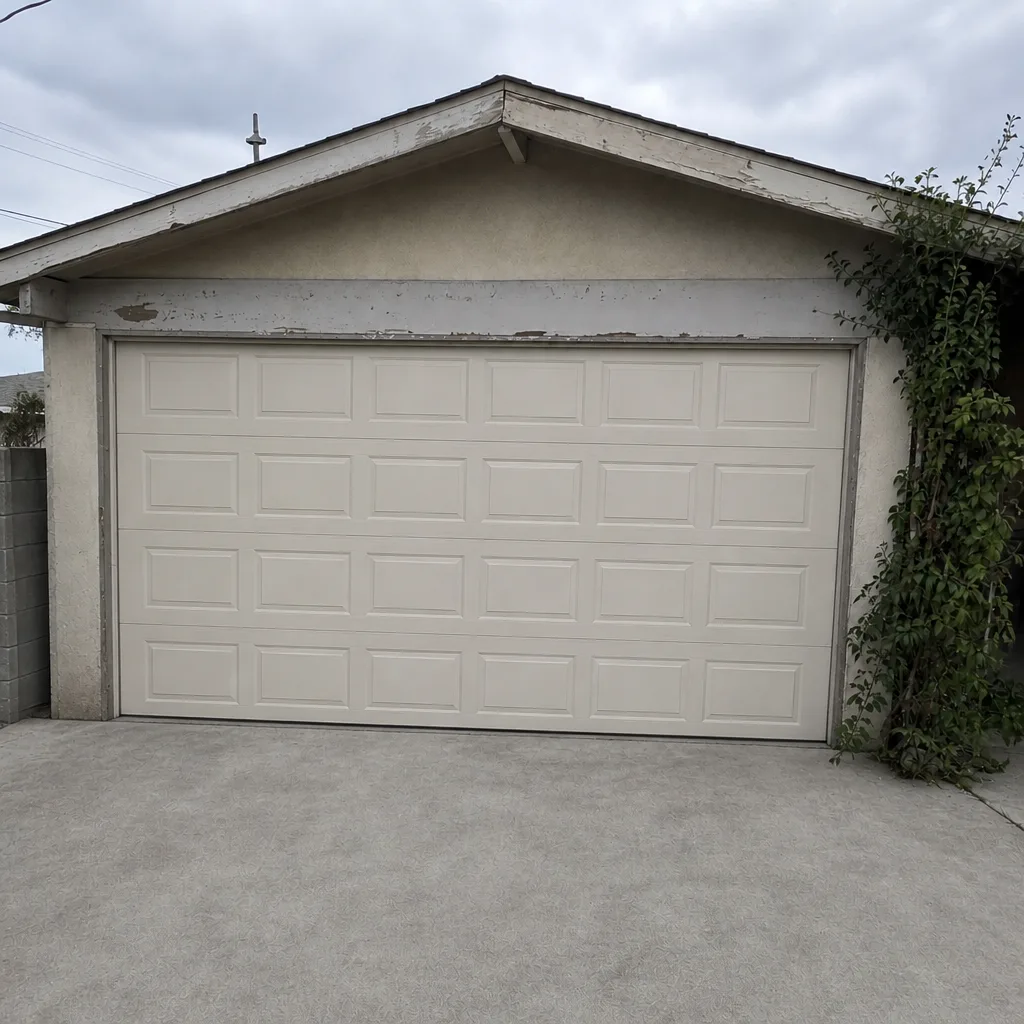 After
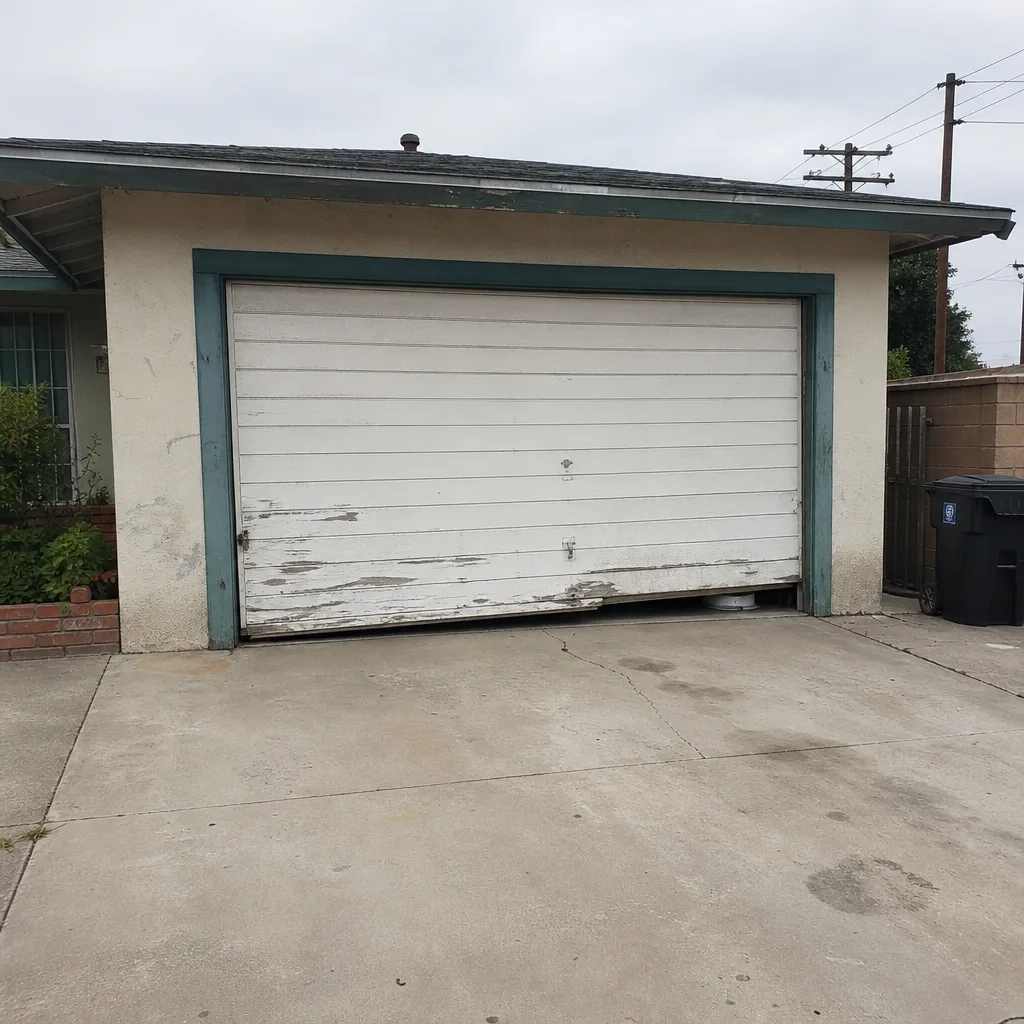 Before
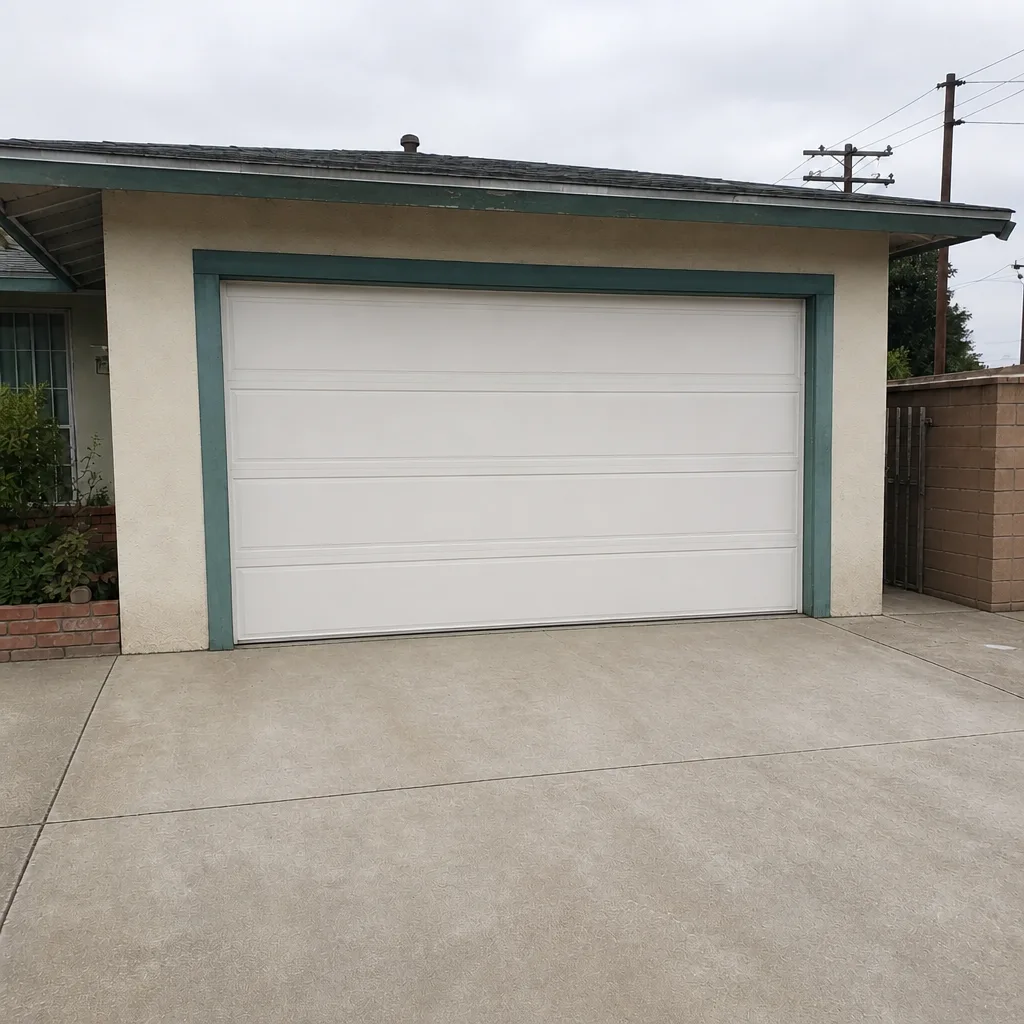 After
Frequently Asked Questions
Twice a year is the right cadence for most doors in Pico Rivera: once in March before the heat arrives and once in November before the rains start. If your door sits on a dusty street or catches a lot of Santa Ana wind grit, add a third light pass in July. Use silicone spray or white lithium grease on hinges, rollers, and the spring, and keep the track dry. Call (866) 618-5424 for a free estimate if you want a professional lubrication and adjustment pass.
The steel panels expand in Pico Rivera’s summer heat, and the expansion tightens the clearance between the door and the track. A door with adequate track clearance in spring can scrape in July, especially if it’s a dark color or faces south or west. The fix is a track adjustment, not a new door. Call (866) 618-5424 and we’ll check the clearance before it chews up your rollers.
They can. Santa Ana wind events push against the full face of a closed garage door with significant gust force, and that pressure transfers into the track brackets, hinges, and spring assembly. A door that was smooth before a wind event and scrapes or rattles after one has likely shifted or bent a bracket. The post-event check takes ten minutes; call (866) 618-5424 if you find new symptoms.
Pico Rivera’s clay-heavy soil swells when winter rain saturates it, and the swelling can move a garage slab a fraction of an inch. That movement is enough to make a door sit unevenly at the bottom or bind at one side. The door needs realignment to match the slab’s new position, and usually a fresh bottom seal. Call (866) 618-5424 to have it checked.
Marine-layer fog condenses on the photo-eye sensor lenses, and the moisture scatters the infrared beam enough that the opener reads the path as obstructed. The door stops and reverses. Wipe the sensor lenses with a dry cloth; if the door works fine once the morning burns off, the sensors are not faulty. If the problem continues on dry days, it’s an alignment or wiring issue, and a garage door opener repair visit will sort it out.
The most important single task is the pre-summer track clearance check in June. Heat expansion is the most common seasonal problem we see, and catching tight clearance before the July heat peak prevents roller damage, panel edge wear, and opener strain. It’s a quick inspection. Call (866) 618-5424 for a free estimate and we’ll check yours.
The Bottom Line
Your garage door in Pico Rivera doesn’t need a Minnesota-style seasonal routine. It needs a heat check in June, a wind check after every Santa Ana event, a rain check in winter, and a fog check in spring. Most seasonal door problems here are adjustments, not replacements: track realignment, bottom seal replacement, sensor lens cleaning, and proper lubrication. The homeowners who catch seasonal issues early keep their doors and openers running for years longer than those who wait for a failure. If anything on your door feels different from last week, call (866) 618-5424. We answer 24/7. Fast dispatch from 7am to 7pm, Sunday through Friday.
Written by the team at Sherwood Garage Door Repair, serving Pico Rivera since 2011.