
Last updated November 4, 2026
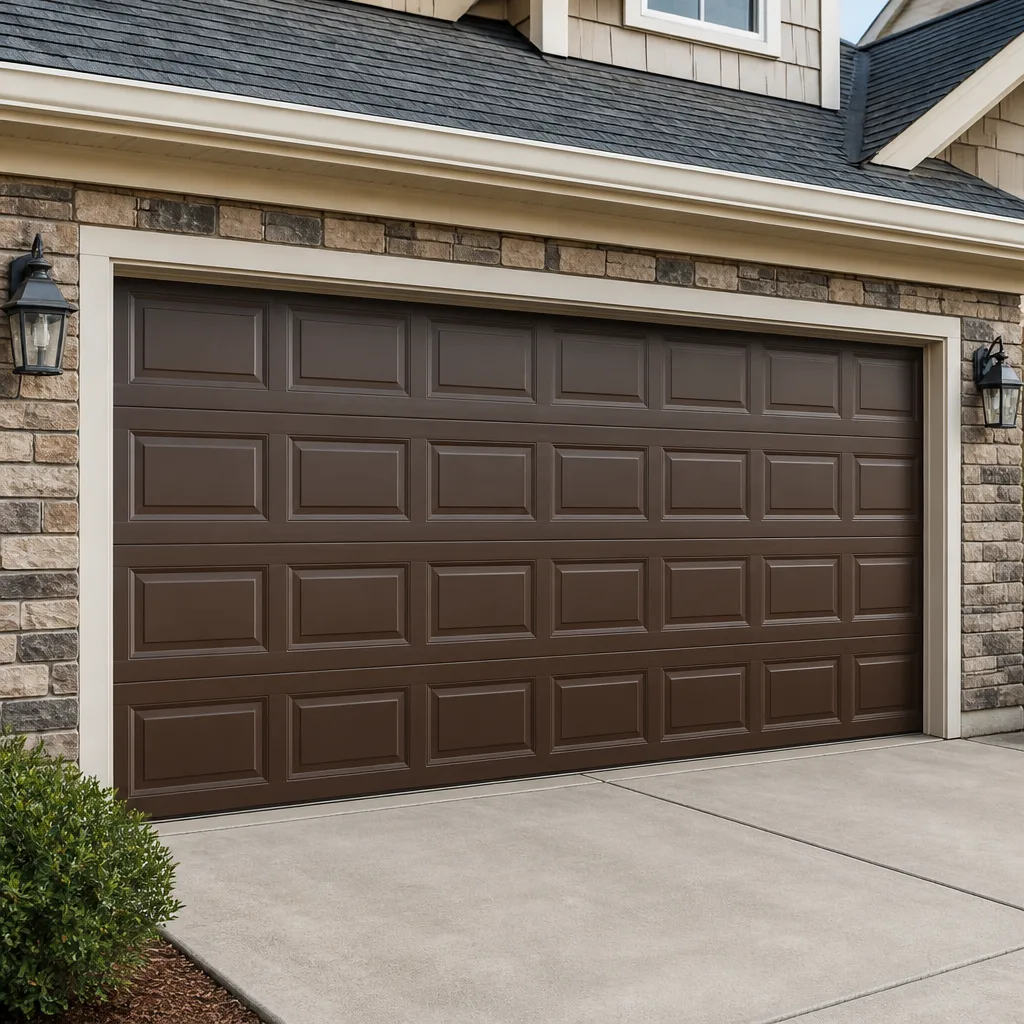 Raised-panel steel
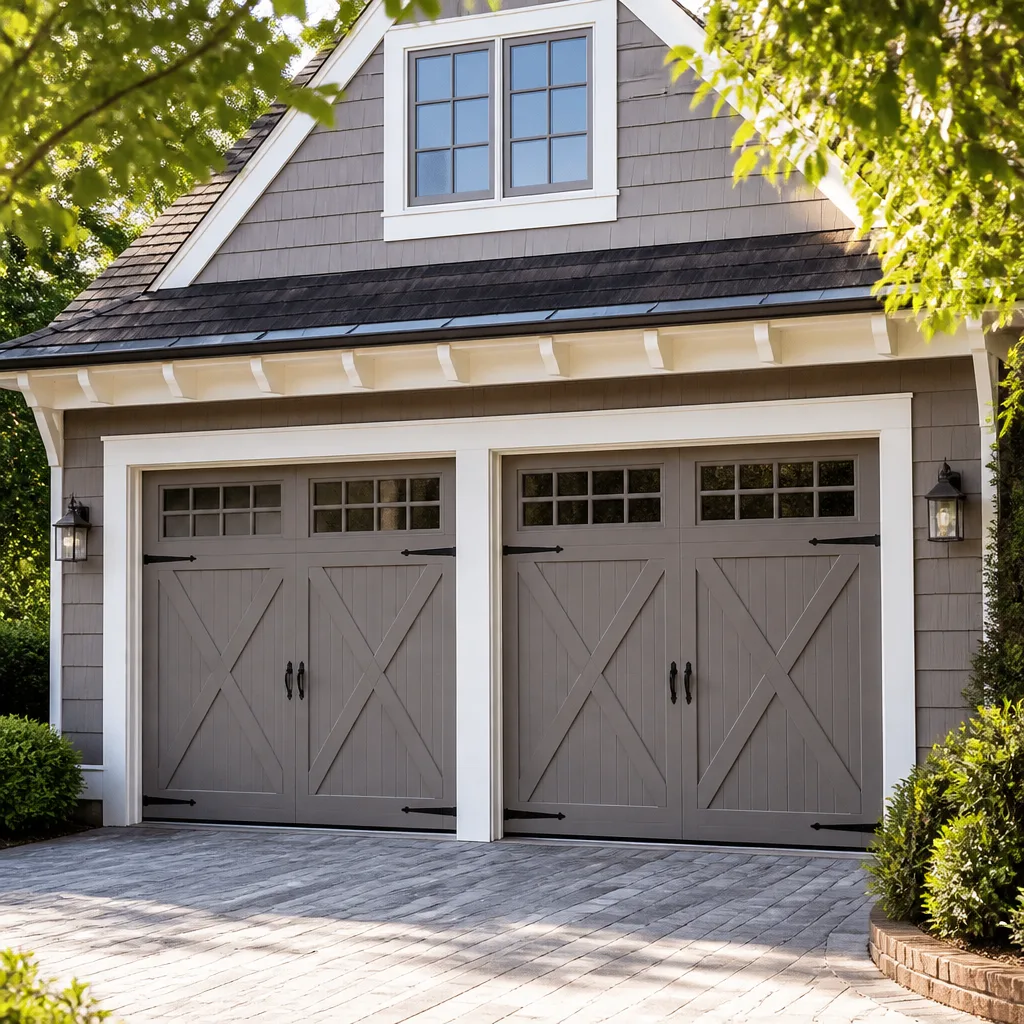 Carriage house
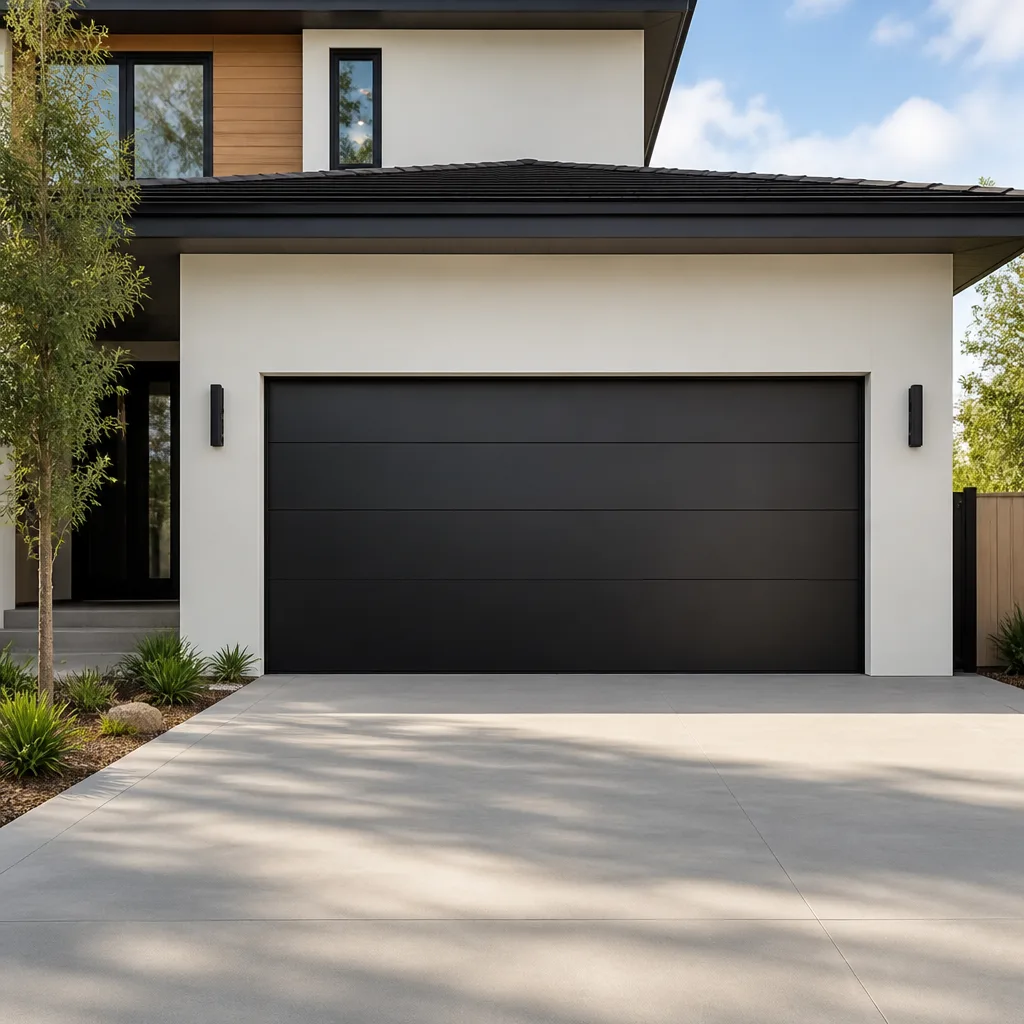 Modern flush
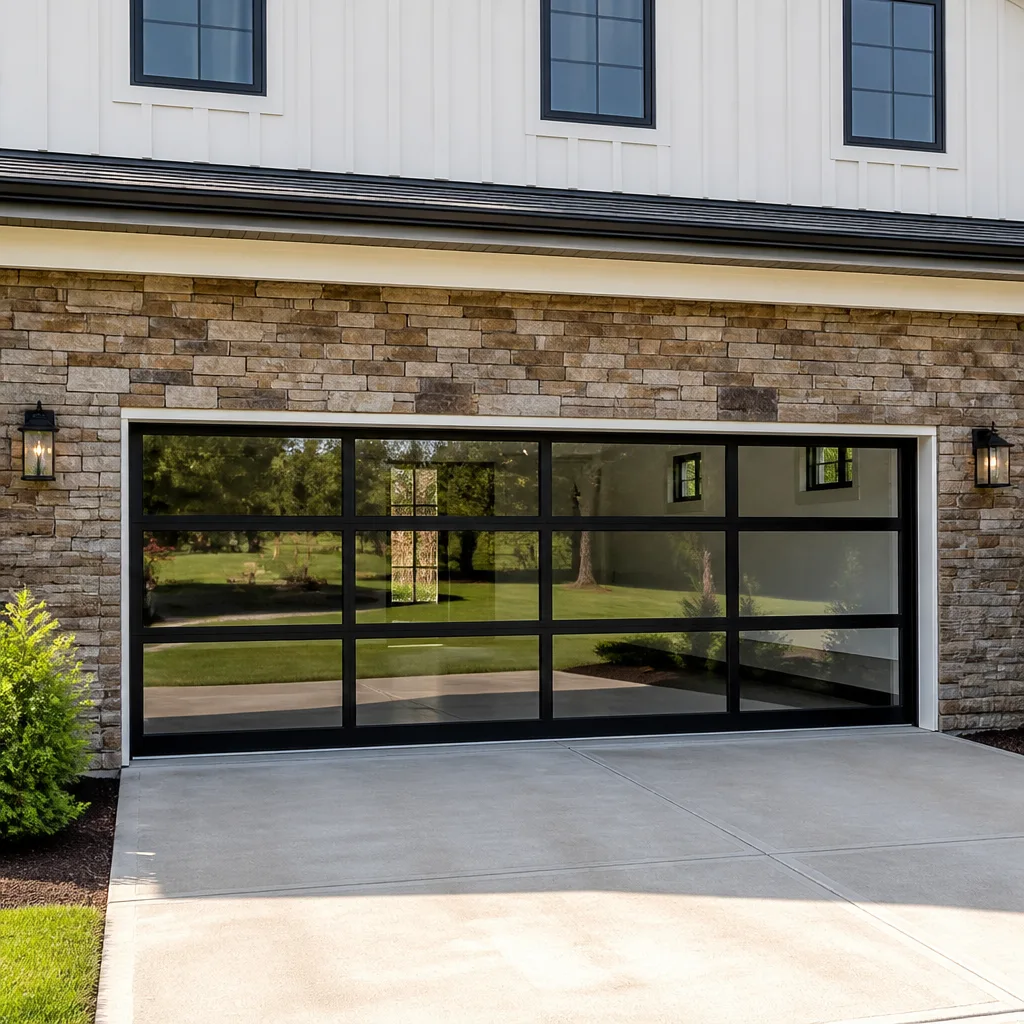 Full-view glass
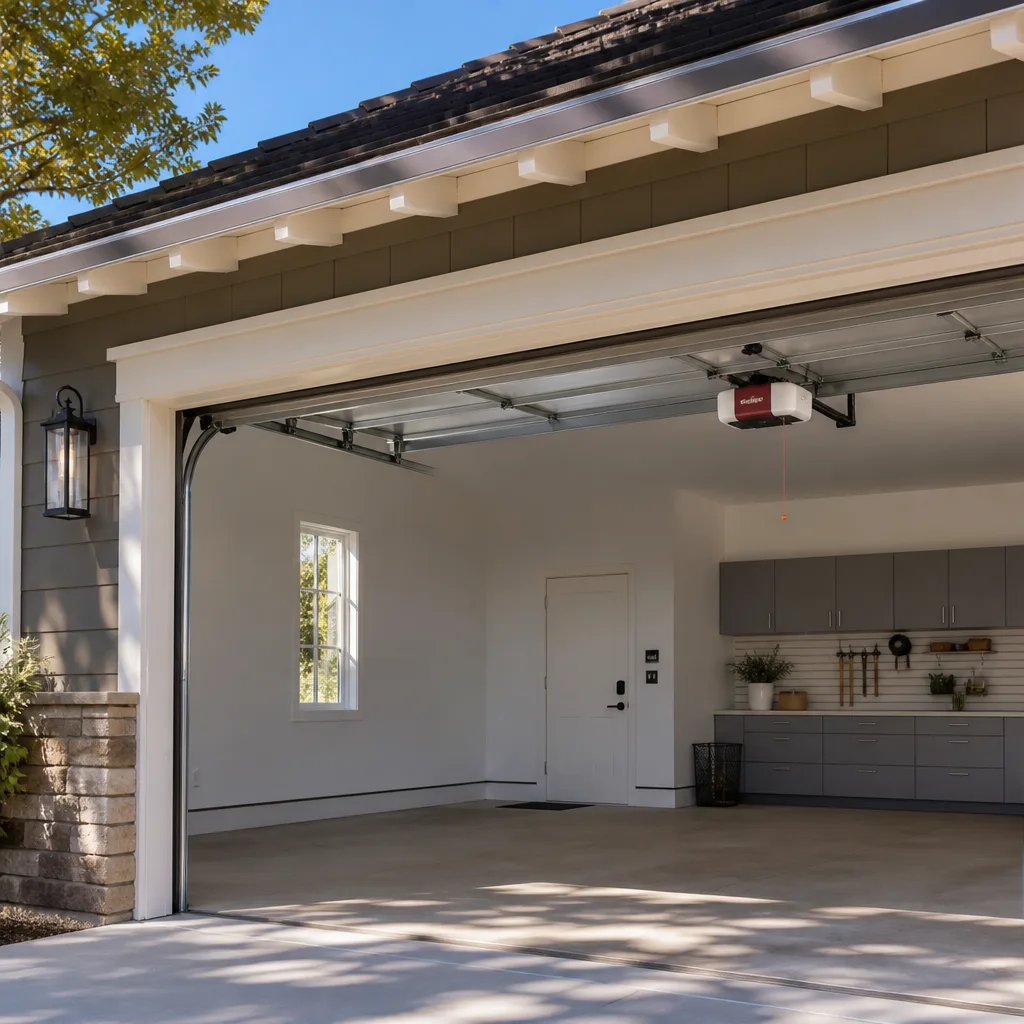 LiftMaster openers
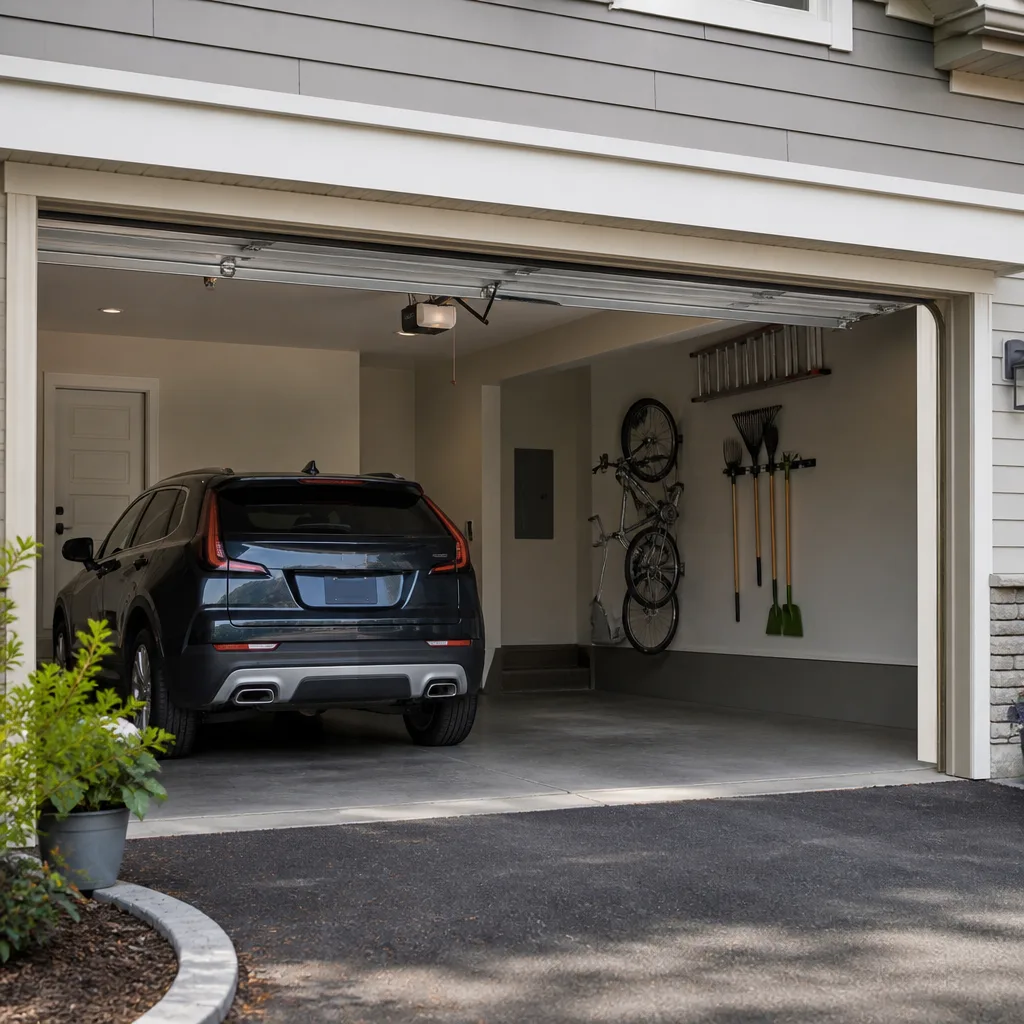 Chamberlain openers
Full 25-point door and opener safety check with every visit - springs, cables, rollers, tracks, and your LiftMaster or Chamberlain opener included
You get a price before we start. It does not change when the truck arrives.
Get your free estimateGarage Door Warning Signs: A Pico Rivera Homeowner’s Reference Guide
The garage door is the largest moving object in your home. When it starts making a new sound, hesitating, or moving unevenly, something is telling you to pay attention. But here’s the problem with most warning sign articles you’ll find: they treat every symptom as a five-alarm fire. A door that reverses before it hits the ground is not necessarily a sensor problem. It’s one of three different issues with completely different repair costs, and misdiagnosing it is exactly how homeowners in Pico Rivera end up replacing sensors that were never broken. This guide sorts real threats from annoyances, explains what sounds actually mean, and shows you which signs you’re likely misreading entirely.
Quick Answer
Garage door warning signs fall into three tiers: immediate safety stops (a broken spring or cable, a door that falls when released, a door that reverses unpredictably and could close on a vehicle or person), fix-within-a-week issues (grinding, shaking, slow movement, uneven gaps), and schedule-when-convenient maintenance items (weather seal wear, minor cosmetic rust, occasional squeaks). Most urgent problems involve the springs or cables, not the opener motor. If you hear a loud snap from the garage, that’s almost always a spring breaking, and you should stop using the door immediately.
Styles & brands we work with
- Raised-panel steel
- Carriage house
- Modern flush
- Full-view glass
- LiftMaster openers
- Chamberlain openers
Table of Contents
- The Triage System: What’s Urgent, What’s Not, and What You’re Misreading
- What Sounds Actually Mean: Spring Wear, Opener Strain, and Track Friction
- The Door Reverses Before It Hits the Ground: The Most Misdiagnosed Symptom
- Cable and Spring Wear You Can’t See from Standing Height
- Compounding Failures: The Warnings That Cause Bigger Problems
- Opener Warning Signs: When the Motor Is Stressed, Not Broken
- Pico Rivera Climate and Housing: What It Means for Your Door
- Common Mistakes to Avoid
- When to Call a Professional
- Frequently Asked Questions
The Triage System: What’s Urgent, What’s Not, and What You’re Misreading
Most Pico Rivera homeowners don’t need a technical background to read their garage door. They need a sorting system. Not every symptom means you should call a professional today. Some do. Here’s how to separate them.
Immediate Safety Stops: Stop Using the Door Today
These signs mean the door could fail catastrophically. A falling garage door weighs between 150 and 400 pounds depending on material and size. When a spring or cable fails, that weight becomes uncontrolled. If you notice any of these, don’t run the door again until a technician looks at it.
- A loud snap or bang followed by the door refusing to open. That’s a spring breaking. The door may still run off the opener motor alone, but the opener is not designed to lift the full weight. Running it this way damages the motor and risks sudden failure.
- The door drops several inches when you release it from the opener. A properly balanced door stays roughly in place when released midway. A door that drops is telling you the springs are wearing or the cables have slipped.
- Visible fraying or a broken strand on any cable. Cables under tension hold the spring energy. A frayed cable can snap without warning and whip across the garage.
- The door reverses unpredictably near the ground, even after the safety sensors are clean and aligned. This is not always a sensor problem. It can be a force setting that’s drifted, a broken spring making the door too heavy for the opener, or a track obstruction. All three deserve a look.
Fix Within a Week: Annoying Now, Dangerous Later
These symptoms won’t typically cause a catastrophic failure this week, but they compound. Think of them like a check engine light you can ignore for a few short trips but not for the month.
- Grinding that changes pitch as the door moves. Usually track friction or a roller wearing against a bracket. Left alone, the metal-on-metal wear spreads to the track and the panel edge.
- Shaking or vibrating during operation. Often loose hardware or worn rollers. The shaking accelerates wear on every moving part at once.
- Slow movement, especially at one section of travel. Can be an opener struggling against friction, early spring fatigue, or a track that’s binding.
- Light coming through uneven gaps at the bottom or sides. The door is misaligned. This is also an energy loss and an entry point for pests, both of which matter in Pico Rivera’s warm climate.
Schedule When Convenient: Maintenance Items
These are the least urgent but shouldn’t be ignored forever. They’re typically part of a standard service call.
- Weather seal cracking or peeling. Keeps out dust, water, and insects. In Pico Rivera, the dry heat and summer sun bake these strips quickly.
- Surface rust on hinges or brackets. Cosmetic until it’s not. Rusted hardware can eventually seize.
- A squeak when opening or closing. Usually a dry roller or hinge. A silicone lubricant spray can quiet it, but if the squeak comes from the spring area, leave it alone and let a professional handle lubrication.
- Peeling paint or UV-faded panels. Cosmetic for wood or painted steel doors, but cracked panels can let moisture into the door core.
The triage point most guides miss: the urgent list is about springs and cables, not the opener motor. Opener failures are inconvenient but rarely dangerous. Spring and cable failures are dangerous. That’s the first filter to apply when you hear something new from your garage.
What Sounds Actually Mean: Spring Wear, Opener Strain, and Track Friction
Garage doors make noise. That’s normal. The skill is separating the ordinary from the early warning. Here’s what the most common sounds in a Pico Rivera garage typically indicate. These are descriptions based on what we hear when we walk a homeowner through a phone diagnosis, and what we find when we open the door panel.
The Squeak
A high-pitched squeak on a regular cadence, usually once per second or slower, almost always points to a dry hinge or roller bearing. It’s the most common sound we hear and the least expensive to address. A penetrating lubricant on the hinge pins and roller bearings often quiets it. If the squeak has a metallic ring to it, like a dry hinge scraping rather than a smooth squeak, it’s often the roller wearing against a steel track.
The Grind
A grinding sound has texture. It’s not a clean squeak. It sounds like two rough surfaces scraping against each other. That’s almost always track or roller friction. The roller ball bearings have worn out, the roller is now sliding rather than rolling, or the track has been knocked out of alignment enough that the roller scrapes the track wall. Left alone, the roller wears a groove into the track, and now you’re replacing both parts instead of one. The grinding sound may also come from the opener’s internal gears if you have a chain-drive or screw-drive opener that hasn’t been serviced. Those gears wear and get noisy before they strip completely.
The Thunk or Clang
A single thunk or metallic clang when the door starts moving or stops moving usually means a loose hinge or a loose track bolt. The door panel is shifting slightly against the hardware. It’s a simple hardware tightening fix if caught early. If it persists, the panel holes may be wearing and elongating, which is a more involved repair.
The Rumble
A deep rumble during operation, especially at the same spot every time, points to a wheel or roller running over a rough spot on the track. It can also be a warped section of track from a past impact. In Pico Rivera, this matters because many homes share driveways with a lot of vehicle activity. A car bumper or a trash bin bumping the track is common.
The Snap
A loud snap, like a gunshot from the garage, is a spring under tension breaking. That is not a sound to ignore. The spring’s sudden release of stored energy can be violent. Do not open the door manually or attempt to reset anything. Garage door repair is needed before the door is safe to operate again. The snap itself is the clearest warning sign a door gives, and there is no ambiguity about it.
Opener Strain vs. Power Loss
A struggling opener sounds labored. The motor runs longer than it used to, the pitch drops, or the opener hums before the door starts moving. That’s not necessarily an opener failure. Often the opener is compensating for a door that’s getting harder to lift: a spring losing tension, a track that’s binding, or dry rollers. If you replace the opener before fixing the door problem, the new opener inherits the same strain and fails early. That’s exactly the kind of misdiagnosis that costs Pico Rivera homeowners money they didn’t need to spend.
The Door Reverses Before It Hits the Ground: The Most Misdiagnosed Symptom
Here’s the symptom we opened this guide with, and it deserves a full section. A garage door that starts closing, stops partway, and reverses back up can have three completely different causes. Homeowners, and unfortunately some technicians, default to the safety sensors. The sensors are rarely the actual problem.
Cause One: The Safety Sensors
The photo-eye sensors sit on either side of the door near the floor. If the beam between them is broken, the opener refuses to close the door all the way. Check first that both sensors have small indicator lights on and that nothing is blocking the beam. Dust, a rake handle, a spider web across the lens, or even a leaf can interrupt the beam. In Pico Rivera, dust from the dry season and the Santa Ana winds tends to settle on these lenses faster than homeowners expect. Clean the lenses with a dry cloth and make sure the sensors point directly at each other. This is the easiest check and it costs nothing.
Cause Two: The Force Setting Has Drifted
Every opener has a force adjustment. It controls how much resistance the motor expects before it assumes something is in the way and reverses. If the door’s rollers, tracks, or hinges have worn and created more friction, or if the temperature and humidity change how the door moves, the force that used to close the door normally now trips the reversal. The opener thinks it hit an obstacle, but really it’s just working harder than it used to. The fix is often as simple as adjusting the force limit or lubricating the rollers to reduce the resistance to begin with.
Cause Three: A Spring Is Failing
This is the one that surprises people. If a spring has weakened or snapped, the door’s weight changes as far as the opener is concerned. A door that suddenly feels heavier trips the opener’s safety reversal because the motor senses the extra load. The opener reverses to avoid slamming a too-heavy door into the ground. Replacing the sensors does nothing because the sensors were never the issue. This is exactly the scenario where a $150 sensor replacement gets sold when a $200 to $300 spring replacement was the real fix. The triage point: if your sensors are clean and aligned but the door still reverses, you’re not looking at a sensor problem anymore.
The lesson for Pico Rivera homeowners is simple. Before spending money on new sensors, eliminate the free possibilities first. Check the beam, clean the lenses, and run the door once. If the reversal continues, the issue is force settings or spring balance, and both deserve a professional diagnosis rather than a parts swap.
Cable and Spring Wear You Can’t See from Standing Height
Most warning signs are visible if you know where to stand. Some are invisible from normal eye level. The cables that work with the springs are a good example. They’re under enormous tension. When they fail, the result is sudden and dangerous. But the early warning signs are often only visible from close up or from a stepladder, and they hide in plain sight.
The Frayed Strand
A garage door cable is not a single solid wire. It’s dozens of thin steel strands twisted together. The earliest failure sign is a single strand separating from the bundle, often at the bottom bracket where the cable attaches to the door. From six feet away, it looks like a fine fiber. From close up, it’s a sharp wire poking out. That single strand means the cable structure is already compromised. The next stage is a visible fray, like the end of a worn rope. At that point, failure can happen on the next cycle or in the next month. There’s no reliable way to predict exactly when, which is why any cable fraying moves the door to the urgent category.
The Rusted Bottom Bracket
The bottom bracket is where the cable connects to the lower corner of the door. It bears the lift force every time the door opens. Rust attacks this bracket first because it sits closest to the ground where moisture and debris collect. In Pico Rivera, irrigation overspray from a nearby planter or driveway runoff can keep this area damp far longer than the rest of the door. A rusted bracket eventually weakens and rips free. The visible sign is orange-brown streaking down the bottom panel or a bracket that looks swollen compared to the one on the other side.
The Uneven Cable
Stand beneath the open door and look at the cables running up each side. Both cables should have equal tension and run parallel to the tracks. A cable that’s got visible slack, or one side that looks looser than the other, means the door has shifted on its tracks or a spring isn’t wearing evenly. This is a balance problem, and it puts uneven strain on every moving part. The door will eventually close unevenly or bind in the track.
How to Inspect Safely
- Never touch the cables or springs. They hold stored energy. Even with the door closed, a spring can have residual tension.
- Lower the door completely. The cables are at their least dangerous when the door is closed and the spring is extended, but they’re still under load. Never put your body, hands, or head under a door that’s mid-travel.
- Use a bright flashlight along each cable track. Look for separated strands, rust, or fraying.
- Check the bottom brackets on both sides. Compare them. They should look identical in color, shape, and rust level.
- Look for a gap appearing at the top or bottom of the door when closed. That’s often the first visible symptom of a cable that’s slipping.
If any cable shows fraying, do not run the door again until a professional has replaced the cable and checked the spring balance. Cable replacement is not a do-it-yourself project. The energy involved is serious, and this is one area where our recommendation is explicit: a trained professional should handle it.
Compounding Failures: The Warnings That Cause Bigger Problems
Some warning signs matter not because they’re dangerous today, but because they create a cascade. Ignore them and you’re not just paying for one repair later. You’re paying for two or three that were caused by the first one. This is the pattern most Pico Rivera homeowners discover only after the damage is done. Here’s how the common cascades work.
A Worn Roller Wears Out the Track
A roller with a worn bearing doesn’t roll smoothly. It slides, wobbles, or chatters against the track. The track is galvanized steel. It’s tough, but constant metal-on-metal contact from a roller that’s no longer round will eventually wear a groove or deform the track channel. The repair starts as a $15 roller and a few minutes of labor. Wait too long and it becomes a new track section, which often means releasing the door tension and resetting the whole tracking system. The warning sign is a persistent grinding or chattering sound that stops when you’ve replaced the rollers.
A Weak Spring Overworks the Opener
The springs do the heavy lifting, not the opener motor. The opener is a guide. It moves the door, but the springs counterbalance the weight so the motor only has to manage the directional force. When a spring weakens, the opener has to pull harder. The motor runs longer, the internal gears wear faster, and the opener’s circuit board sees more current draw. A spring that should have been replaced for $200 to $400 becomes a spring plus an opener gear replacement or a new opener board. A grinding or groaning opener that’s been getting worse for months is often a door balance problem announcing itself through the opener’s pain.
A Misaligned Track Bends the Panels
If the track is even slightly out of line, the door’s rollers run against resistance on one side. The door panels flex and twist as they move. Over weeks, the flexing pulls the panel joints apart and the door starts to de-laminate. A bent panel seam on a steel door can’t be straightened. A door that was structurally sound now needs a panel replacement or a whole new door if the damage is extensive. The earlier warning sign is a door that sticks at a particular point in the travel or rubs against the track visibly on one side.
A Loose Hinge Wears the Panel Holes
Each door panel is connected by hinges screwed into the panel edge. If a hinge comes loose, the door moves slightly differently than the hardware around it. The screw holes elongate. When the holes are stripped, you can’t just tighten the screw anymore. The repair becomes a bracket reinforcement or a panel rebuild. The early sign is a door that makes a slight shifting or popping sound when it starts and stops, or a visible gap between the hinge plate and the panel face.
All of these follow the same principle: moving parts that don’t get fixed transfer their problem to the part next to them. A garage door is a system, not a collection of independent pieces. Treating it as a system is the difference between a simple fix and a sectional replacement.
Opener Warning Signs: When the Motor Is Stressed, Not Broken
We’ve said repeatedly that opener problems are often door problems in disguise. That’s true. But openers have their own warning signs too, and distinguishing between the two saves homeowners from replacing the wrong component. Here’s what an opener tells you when it’s the actual problem, and what it tells you when it’s just the messenger.
The Opener Hums But the Door Doesn’t Move
A hum with no movement usually means the opener is trying to run but can’t. On a chain or belt drive, this can mean the drive gear has stripped. The motor spins but the output doesn’t engage. It can also mean the door’s spring has failed and the opener is now facing the full weight alone. An opener that hums can also be a disconnected drive from the door. The way to tell: pull the red release handle and see if the door can be lifted manually. If it’s heavy to lift, the spring is the problem. If the door lifts easily by hand, the opener’s drive mechanism is the problem.
The Opener Runs But the Door Jerks or Stutters
Jerky movement points to drive components. A chain that’s loose, a belt that’s worn, or a trolley that’s binding on the rail. These are opener maintenance issues rather than a door balance problem. The telltale sign is that the jerkiness matches the opener’s chain or belt speed rather than the door’s position. If the door always jerks at the same physical point on the track, that’s a track or roller issue. If the jerkiness is constant, it’s the opener’s drive train.
The Opener Runs for a Few Seconds and Stops
This pattern often points to a limit switch problem. The opener thinks it has reached the end of its travel. The limit settings may have drifted, meaning the door opens only partially before the opener decides it’s done. It can also be a travel module failure. This is becoming more common on openers with electronic rather than mechanical limit controls, especially on older Chamberlain and LiftMaster models with original logic boards.
Smart Opener Warnings Are Useful
Modern LiftMaster and Chamberlain openers with myQ integration send alerts when the door has been open too long, when the door fails to close on a schedule, or when the opener detects excess force from a misaligned track or worn spring. Those alerts aren’t annoyances. They’re early diagnostics. Genie’s Aladdin Connect system offers similar monitoring. If your opener is old enough to have none of these features, remember that garage door opener repair on a legacy system can often be done without a full replacement. We work on Craftsman units from before the smart era and newer LiftMaster, Chamberlain, and Genie models alike. The brand of opener doesn’t change the diagnostic method. The symptoms pattern does.
Pico Rivera Climate and Housing: What It Means for Your Door
Garage door wear is not the same everywhere. The climate and housing stock in Pico Rivera create a specific pattern of issues we see here more than in other places. Knowing that pattern helps you anticipate problems before they become urgent.
Dry Heat and Sun Exposure
Pico Rivera summers are hot and dry. A garage door facing west or southwest gets direct afternoon sun for hours. That heat does two things. First, it bakes the weather seal along the bottom and sides of the door, causing it to crack and shrink faster than it does in milder climates. Second, the heat expands the metal door panels. A door that fits tightly on a summer afternoon may bind slightly as the day cools. Most Pico Rivera homes have direct sun exposure on at least one garage wall, so weather seals here tend to need replacement more often than the national average. Check them each spring.
Santa Ana Winds and Dust
The Santa Ana winds blow in the fall and winter. They carry fine dust that settles on everything in a garage, including photo-eye sensor lenses, track surfaces, and opener rails. A sensor that was clean in September may be coated in October. The dust acts as a mild abrasive between rollers and tracks. It also collects in the opener’s logic board enclosure if the board isn’t sealed, though most modern units handle dust well. The practical point for Pico Rivera homeowners: seasonal wind events are a good time to wipe down sensors and tracks before the door starts acting up.
Older Housing Stock and Odd Framing
Many Pico Rivera homes were built in the 1950s through the 1970s. Garage framing from that era wasn’t always perfectly square, and decades of minor settling take their toll. A door that was installed on a frame that’s drifted out of plumb will wear tracks and rollers unevenly. The symptom is often a door that binds partway up, or a track that visibly angles outward from the wall at one end. This is not a problem the homeowner caused, and it’s not usually a reason to replace the door. It’s a reason to have the track adjusted and the panel alignment checked. Newer homes have the same door types but typically better framing tolerances.
What This Means for Warning Signs
In Pico Rivera, the two most common avoidable problems we see are dried weather seals and dust-contaminated sensors. Neither is expensive to address. Both cause callbacks or misdiagnosed repairs when ignored. The climate here is not hard on garage door springs specifically, but it is hard on the softer materials: seals, plastic parts on openers, and painted wood doors that sit in the sun. A homeowner who checks seals and sensors seasonally avoids the two most common service calls in this city.
Common Mistakes to Avoid
- Replacing sensors without checking the force setting or spring balance first. When a door reverses at the ground, sensors are the easiest thing to check, so they get blamed first. But clean and aligned sensors don’t rule out force drifting or spring wear. Replacing them for $100 to $150 when the spring was the issue just adds a charge on top of the real repair.
- Lubricating the spring to stop a squeak. A squeaking torsion spring is telling you the coils are rubbing against each other. Lubrication can quiet it temporarily, but it doesn’t address the underlying wear. More importantly, getting close to a spring under tension is dangerous if you don’t know what you’re looking at. A professional should handle spring inspection and lubrication.
- Ignoring a grinding noise because the door still works. Grinding means metal is wearing metal somewhere. It will not fix itself. Every week it continues, the damaged surface gets larger and the repair gets more expensive.
- Running the door manually after a spring snaps. When a spring breaks, the door becomes very heavy. Pulling the release cord and trying to lift it manually can cause the door to slam down. The safest choice is to leave the door closed and call for service.
- Assuming a noisy opener is a dying opener. A labored or slow opener is often a symptom of a door that’s out of balance. Replace the spring, and the opener often quiets down and speeds up. Replacing the opener instead means the new opener is now pulling against the same bad spring, and it will fail earlier than it should.
- Adjusting tension rods or cable drums without the right tools and knowledge. This cannot be said strongly enough: garage door springs and cables are not a beginner repair. The stored energy in a torsion spring can cause severe injury. Even professionals treat these components with specific procedures and respect. Any repair involving tension should go to a trained technician.
- Delaying a weather seal replacement because it’s cosmetic. The seal is not just about looks. A cracked bottom seal lets dust, water, and pests into the garage. In Pico Rivera, that’s Santa Ana dust, the occasional heavy rain from winter storms, and rodents looking for warm shelter. It’s a $50 to $100 fix that prevents bigger annoyances.
When to Call a Professional
Call a professional the moment you hear a snap, see a frayed cable, or find a door that drops when released. Those are the non-negotiables. The fix-within-a-week list is also worth a call as soon as practical, because those issues compound into bigger bills. What about the maintenance list? If you’re comfortable cleaning sensors, tightening visible bolts, and wiping down tracks, you can handle those yourself. If you’re not sure what you’re looking at, that’s exactly when a professional opinion saves you money in the long run. Sherwood Garage Door Repair offers free estimates in Pico Rivera, and the price is set by a written estimate before any work starts. We work on what you already have, whether that’s an older Craftsman opener, an Amarr door, a Wayne Dalton, or a Raynor. Right fix, not the most expensive fix. Call (866) 618-5424. We answer 24/7. Fast dispatch from 7am to 7pm, Sunday through Friday.
Frequently Asked Questions
The most commonly missed sign is a change in how the door sounds under load. A door that runs fine but sounds labored, or one that makes a grinding or rumbling sound only at a specific point, is telling you something specific about rollers, tracks, or spring balance. Homeowners tend to notice the loud noises and misses the subtle changes in pitch or duration. Call (866) 618-5424 for a free estimate if your door sounds different than it did a month ago.
Most garage door repairs in Pico Rivera range from $100 to $400 depending on the part and labor involved. Roller replacement and sensor cleaning sit at the lower end. Spring replacement and track realignment sit higher. Cable replacement and panel repair vary based on door size and brand. The written estimate sets the final price before any work begins. Call (866) 618-5424 for an exact quote, and the estimate is free.
We answer 24/7. Fast dispatch from 7am to 7pm, Sunday through Friday. Same-day service is available when the schedule allows, and a call outside dispatch hours is booked into the next opening. If your door won’t open because a spring has snapped, do not try to lift it manually. Call (866) 618-5424 and describe what you heard and saw, and we’ll get you on the schedule.
No. A door that reverses at the ground can be caused by dirty or misaligned photo-eye sensors, a drifted force setting, or a failing spring that makes the door feel heavier to the opener. Clean and align the sensors first. If the problem continues, the cause is probably not the sensors and you shouldn’t replace them without checking the force setting and spring balance first.
We work on what you already have. We’re factory-familiar with eight major garage door and opener brands, including Amarr, Wayne Dalton, Craftsman, Raynor, LiftMaster, Chamberlain, and Genie. We don’t steer you toward a single manufacturer because it’s convenient for us. If your opener is a legacy Craftsman or a modern LiftMaster with myQ, we diagnose the specific model rather than selling a generic replacement.
Standard torsion springs last roughly 10,000 cycles, which translates to 7 to 12 years for most Pico Rivera homes depending on how often the door is opened. Springs wear out from use, not from climate, so the dry heat here doesn’t shorten their life much. The bigger factor is balance. A door that’s slightly out of balance puts uneven load on one spring and shortens its cycle life. If you notice the door is heavier than it used to be, the spring is already halfway through its decline.
The Bottom Line
Garage door warning signs can be sorted into urgent, soon, and whenever. The urgent list is short: a snapped spring, a frayed cable, a door that drops on its own. The soon list is everything that makes noise or moves unevenly. The whenever list is the maintenance that prevents both. The most expensive mistake homeowners make is treating every symptom as an opener problem or a sensor problem when the real culprit is often a $200 spring that quietly failed. Check your door once a season. Know the sounds. And when you’re not sure, call a professional before the small warning becomes a big repair.
Written by the team at Sherwood Garage Door Repair, serving Pico Rivera since 2011.
See the difference
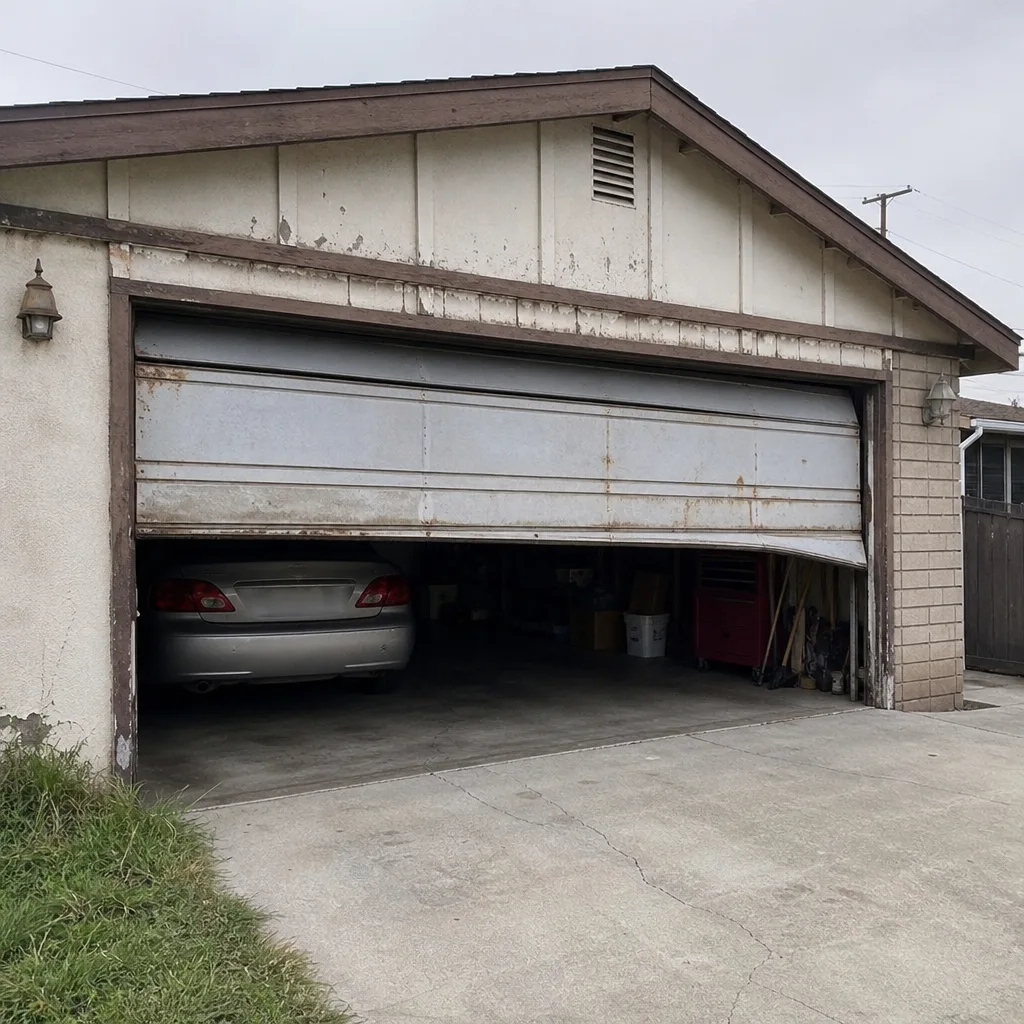 Before
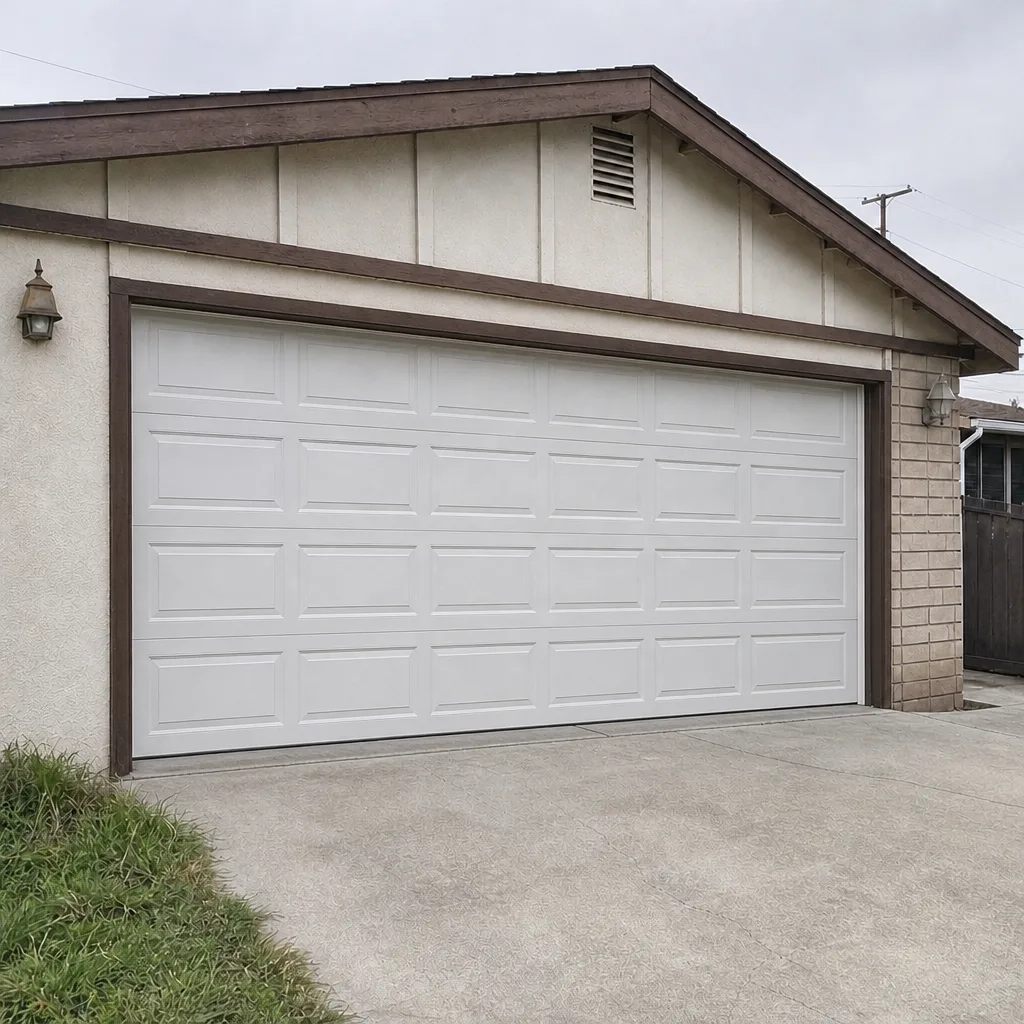 After
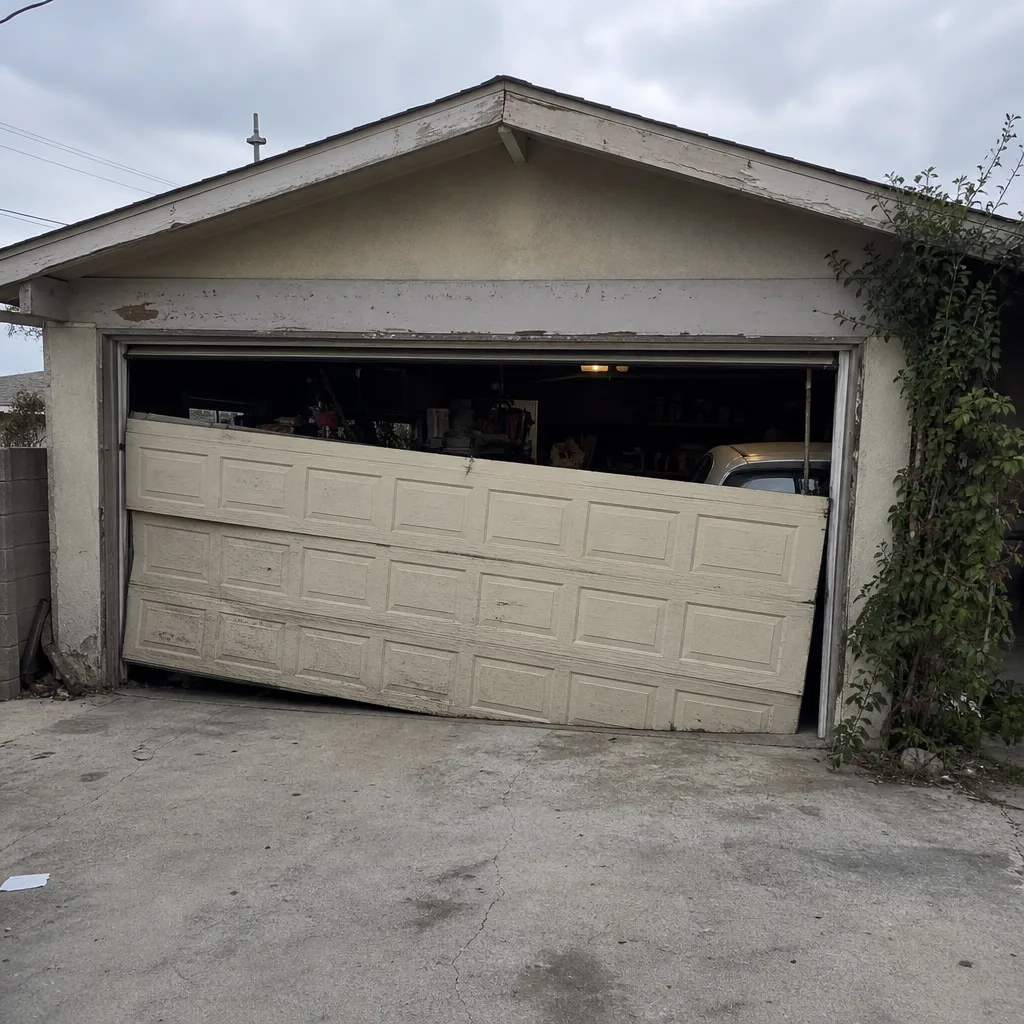 Before
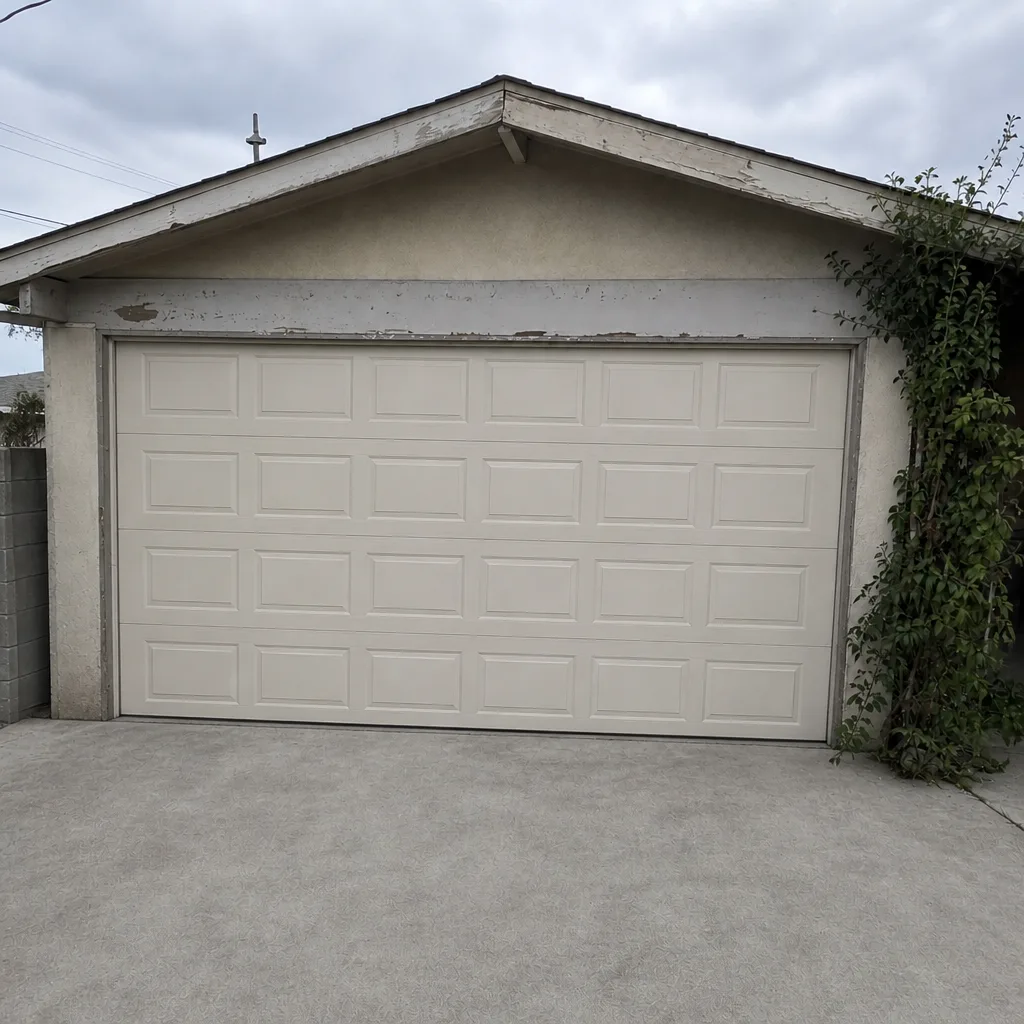 After
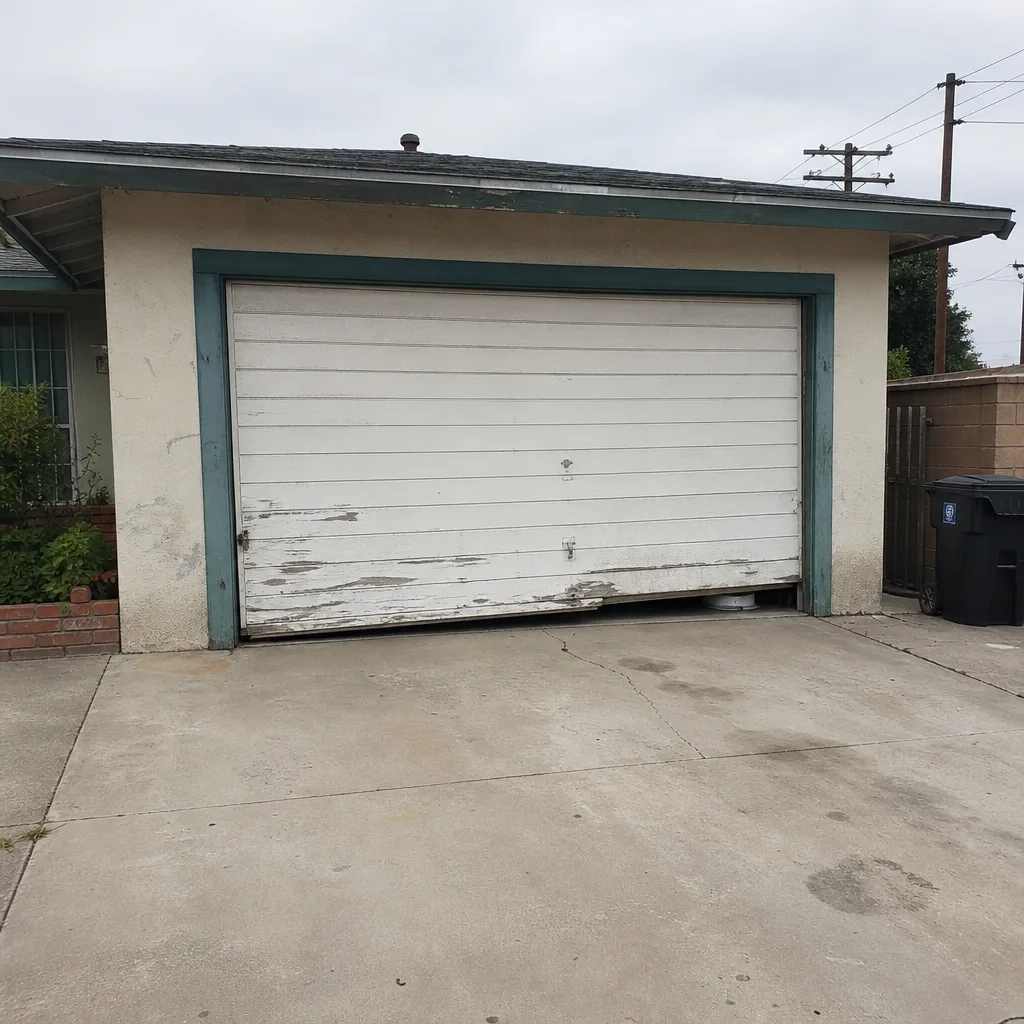 Before
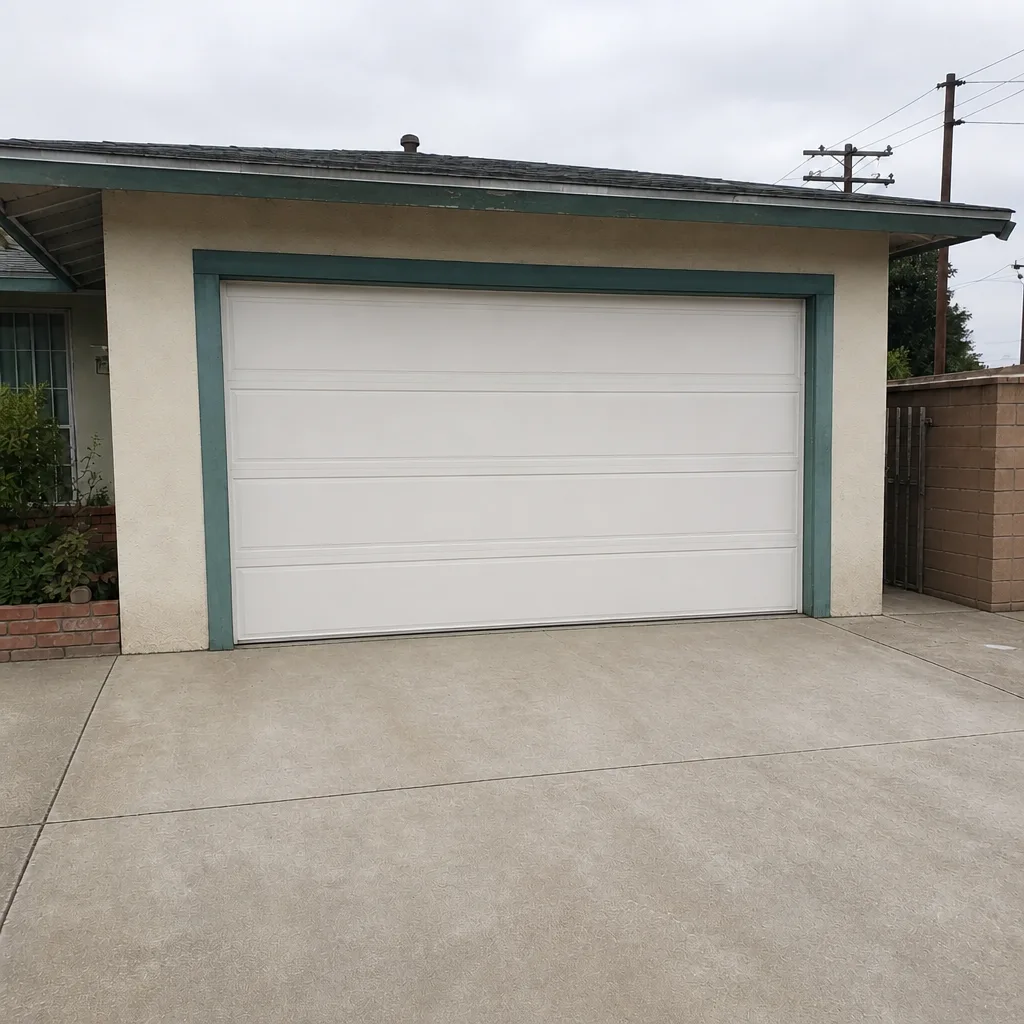 After