
Last updated November 4, 2026
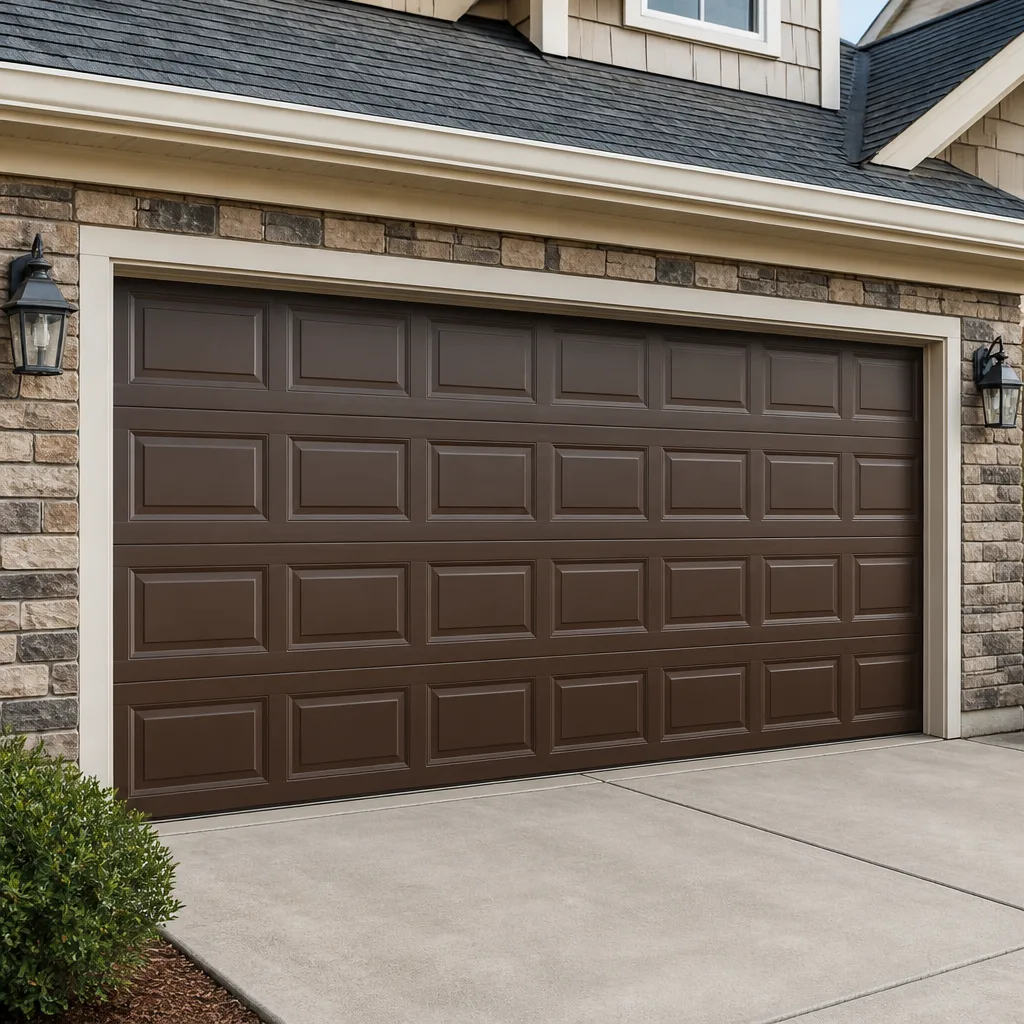 Raised-panel steel
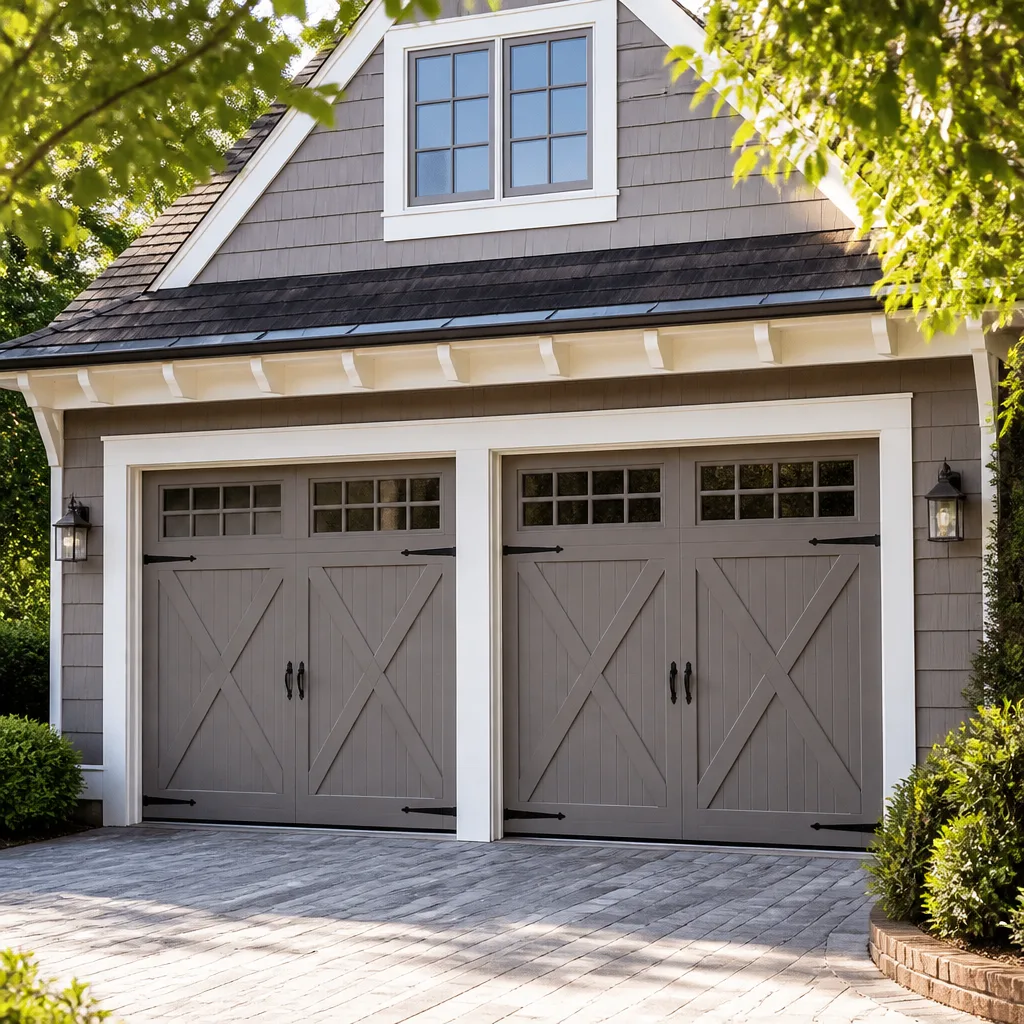 Carriage house
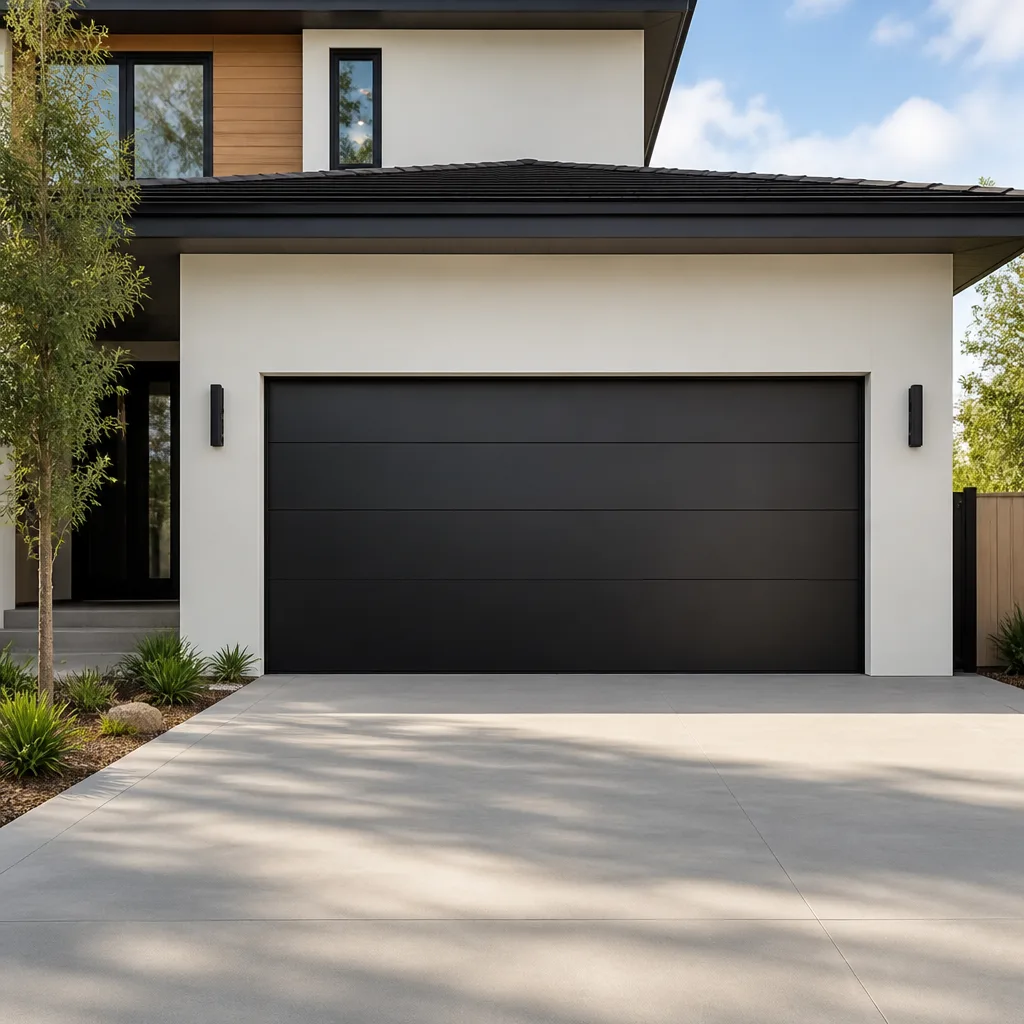 Modern flush
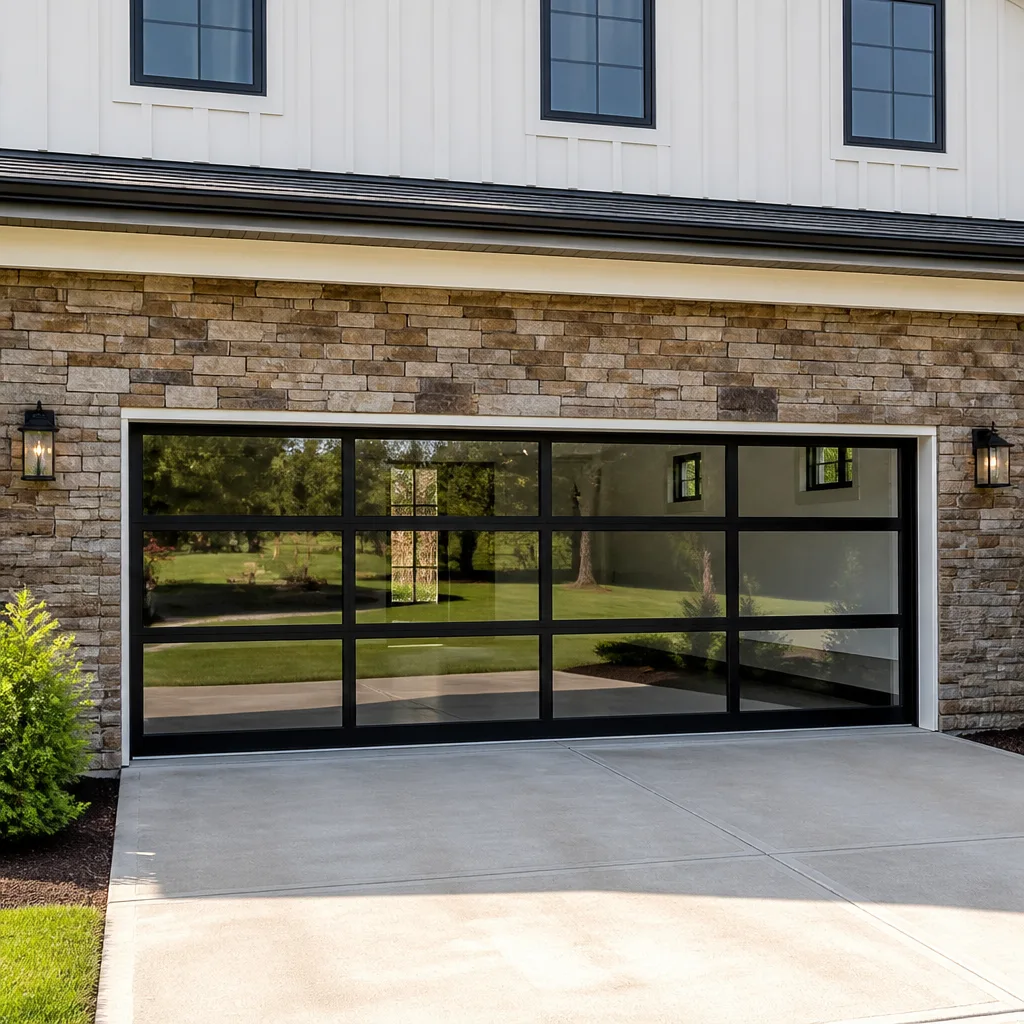 Full-view glass
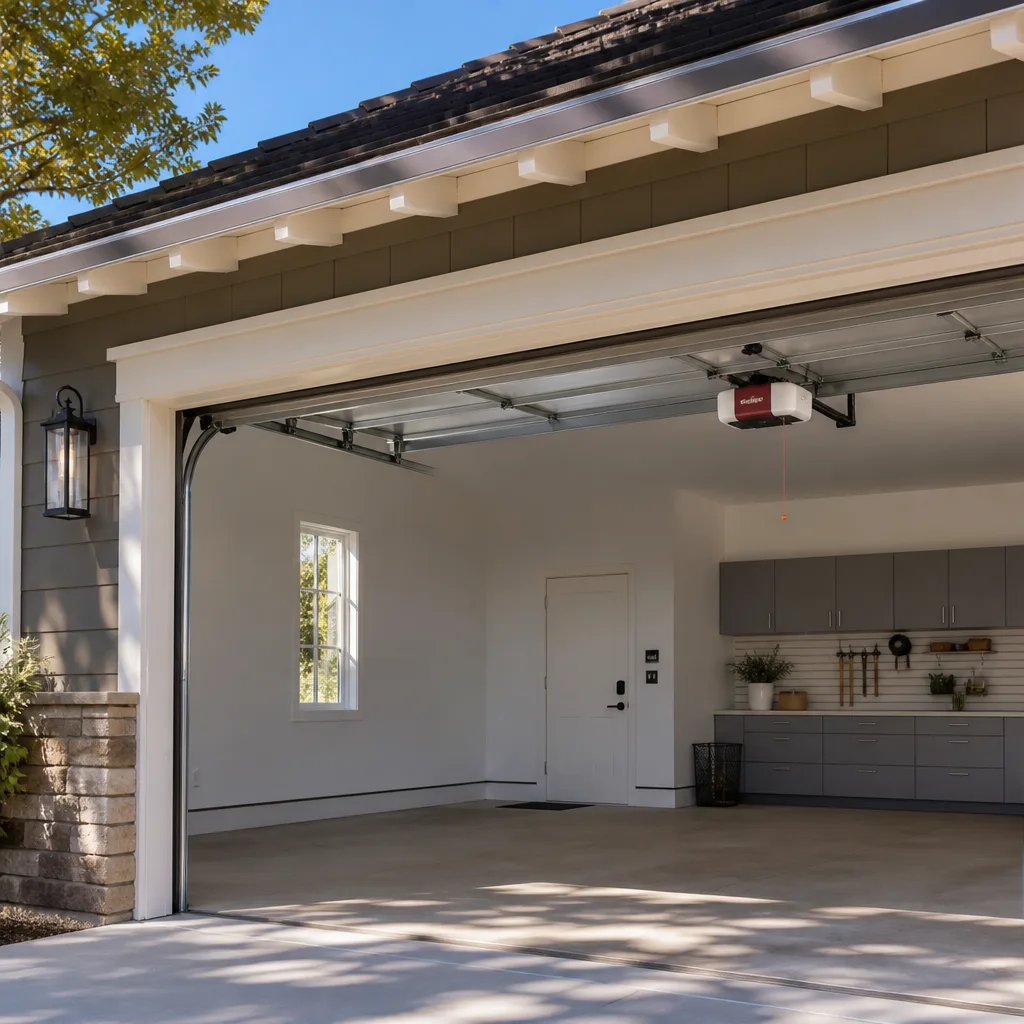 LiftMaster openers
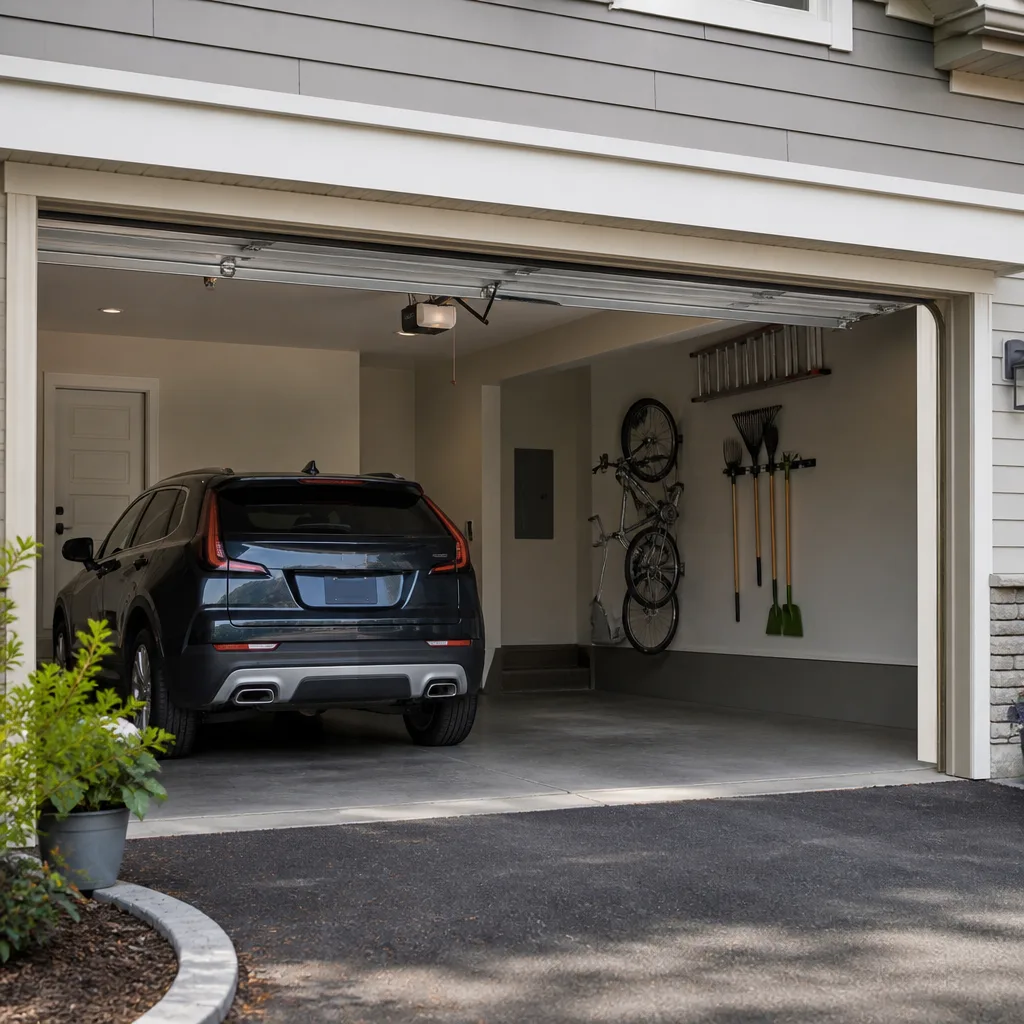 Chamberlain openers
Full 25-point door and opener safety check with every visit - springs, cables, rollers, tracks, and your LiftMaster or Chamberlain opener included
You get a price before we start. It does not change when the truck arrives.
Get your free estimateHow to Hire a Garage Door Contractor in Pico Rivera: A Step-by-Step Guide
If a contractor gives you a quote without asking about your header clearance or existing spring configuration, that’s not a quote. It’s a guess that will either cost you more on install day or result in the wrong door entirely. Pico Rivera homeowners face a specific problem when hiring garage door work: the market is full of generalists who treat every door like every other door. That works until it doesn’t. This guide gives you the exact questions to ask, what the answers should sound like, and how to separate a technician who actually knows your door from one who’s reading a script. By the end, you’ll know how to hire with confidence and avoid the three or four mistakes that turn a simple repair into a costly redo.
Quick Answer
Before hiring a garage door contractor in Pico Rivera, verify their California contractor license through the CSLB, ask at least five diagnostic questions about your specific door and opener, get itemized written quotes from two or three companies, and confirm that the labor warranty is documented separately from any parts warranty. Skip any contractor who quotes without inspecting your current setup or pressures you to decide same-day.
Styles & brands we work with
- Raised-panel steel
- Carriage house
- Modern flush
- Full-view glass
- LiftMaster openers
- Chamberlain openers
Table of Contents
- The Five Diagnostic Questions a Real Contractor Should Ask
- How to Verify a CA Contractor License (and What the CSLB Actually Tells You)
- Red Flags Specific to Garage Door Companies
- How to Compare Quotes Apples-to-Apples
- What a Legitimate Parts and Labor Warranty Looks Like
- Common Mistakes to Avoid
- When to Call a Professional
- Frequently Asked Questions
The Five Diagnostic Questions a Real Contractor Should Ask
Competent garage door work starts before any numbers get discussed. A technician who knows their trade gathers information first, and the questions they ask reveal more about their competence than any sales pitch could. Here are the five things a real contractor should want to know before quoting your job in Pico Rivera, and what it means if they skip them.
1. What kind of springs does the door have?
Every garage door uses either torsion springs (mounted above the opening) or extension springs (mounted along the horizontal tracks). The type changes the parts cost, the labor time, and the safety procedures. A contractor who doesn’t ask about spring configuration before quoting a spring replacement is pricing blind. It also matters for safety: both types are under tension, and torsion springs in particular can cause serious injury if handled wrong. A technician who asks this question early is signaling that they work on doors methodically, not by guesswork.
2. What’s the header clearance?
The space between the top of your door opening and the ceiling is the header clearance. It determines whether a standard radius track works, or whether you need low-headroom or high-lift track for your installation. This matters even for repairs: a door that sags or rubs may be misconfigured because someone installed the wrong track geometry years ago. If a contractor quotes a full door replacement without checking header clearance, they’re likely to discover a problem on install day. You’ll eat that cost as a change order.
3. What opener brand and model is on the door?
This question separates a Sherwood Garage Door Repair approach from a generalist. Openers from LiftMaster, Chamberlain, Genie, and Craftsman all wire and program differently. Some integrate with smart-home platforms; older Craftsman systems use entirely different logic boards and remotes. A contractor who doesn’t ask what opener you have is either replacing parts blind or planning to sell you a new opener rather than repair the existing one. Neither is good for you.
4. How old is the door and what material is it?
Door age matters because older doors often have frames that can’t accept modern hardware without modification. Material matters because a steel door from Clopay had different wear characteristics than an old wood door or a Raynor aluminum model. Pico Rivera’s climate is mild on doors compared to desert heat or coastal moisture, but age still does its work: rollers wear, panels corrode at the bottom edges, hinges loosen. A contractor who doesn’t ask about age and material is skipping the diagnostic half of the job.
5. What exactly is failing?
This sounds obvious, but you’d be surprised. A real contractor asks you to describe the symptoms: grinding noise, door reversing before it closes, uneven closing, remote not working, cable hanging loose. Then they ask follow-ups. A contractor who hears “it’s broken” and immediately quotes a new door or a full spring replacement without narrowing down the failure is not diagnosing. They’re selling.
If a contractor asks none of these questions and the quote arrives immediately, that quote is a guess. It will change once the truck shows up and someone actually looks at the door. In our corner of Pico Rivera, where homes range from 1950s ranch builds to newer two-story construction, these details vary widely from house to house. There’s no such thing as a one-size quote.
How to Verify a CA Contractor License (and What the CSLB Actually Tells You)
California requires a contractor license for any garage door job over $500 in combined labor and materials. The Contractors State License Board (CSLB) maintains the public database, and checking it takes about ninety seconds. Here’s the step-by-step.
- Ask for the license number. A legitimate contractor offers it without hesitation. It should be on their website, their estimate form, and their business card. If they won’t provide it before quoting, that’s your first red flag, and a big one.
- Look it up on the CSLB website. Enter the number and verify that the name on the license matches the company you’re dealing with. Subcontracting without disclosure is common in garage door sales, and you want the licensed entity doing the work, not some third party.
- Check the license status. “Active” is what you want. “Expired,” “Suspended,” or “Cancelled” tells you something important. A suspended license often means unresolved legal action or a bond problem. Walk away.
- Note the classification. Relevant classifications for door work are usually C-61/D-28 (Door and Gate) or a general building classification. The classification confirms the license covers the actual trade, not just general contracting.
- Check for workers’ compensation. If the contractor has employees, California requires workers’ comp coverage. The CSLB listing shows whether it’s on file. If a worker gets hurt on your Pico Rivera property and there’s no comp coverage, the liability can fall on you.
- Look at the complaint history. The CSLB database shows legal actions and arbitration outcomes. A few complaints over many years is normal for any active contractor. A long pattern of unresolved claims is not. Read the details, not just the count.
What the CSLB won’t tell you: whether the contractor is actually good at garage doors. A license means they’ve met the legal requirements to operate. It doesn’t measure diagnostic skill, warranty follow-through, or brand knowledge. That’s why the license check is step one, not the whole process. Combine it with the diagnostic questions above and the red flags below.
Pico Rivera-specific note: because the city sits within Los Angeles County, some unlicensed operators market aggressively to homeowners in the area, particularly after storms or when a door fails suddenly. The urgency of a broken spring makes it easy to skip the check. Don’t. A door that won’t open is inconvenient. An unlicensed operator who damages your door or takes a deposit and disappears is worse.
Red Flags Specific to Garage Door Companies
Some warning signs are generic to any contractor. Others are specific to this trade. Here are the ones that show up most often in garage door sales and what they tell you.
1. Vague labor warranties
A legitimate garage door contractor specifies what they’ll warranty on labor, for how long, and what’s excluded. If the warranty is a verbal “we stand behind our work” or a one-line note on the back of the quote with no duration, that’s not a warranty. It’s sales language. Ask for the labor warranty in writing, including the period, the scope, and the process for making a claim. If they can’t produce it, keep looking.
2. No brand options offered
Every door brand does some things well and other things less well. Clopay and Amarr make strong steel and composite options. Wayne Dalton specializes in lower-maintenance designs. Raynor builds doors with commercial-grade roots. A contractor who only offers one brand is telling you they’re selling inventory, not solving your problem. The brand-agnostic approach matters in Pico Rivera because housing stock varies enough that one brand line doesn’t fit every opening.
3. Same-day pressure tactics
The classic line: “This price is only good if you sign today.” Why would a garage door price expire today? Parts don’t change price daily. Labor rates don’t spike overnight. The only reason to pressure a same-day decision is to prevent you from getting another quote. A real contractor gives you a written estimate and lets you compare it. Urgency is a sales tool, not a technical requirement.
4. Quote without inspection
We covered this in the diagnostic questions section, but it deserves its own flag. A quote delivered sight-unseen, over the phone, without questions about springs, track, header clearance, or opener, is not a quote. It’s a starting number that will drift upward once the real conditions are known. In our experience, the jobs with the biggest change orders are the ones quoted without any inspection at all.
5. Flat-rate install with no parts detail
Some companies sell a single bundled number: “Complete door installation, $1,499.” What door? What springs? What track radius? What opener brand? Flat-rate pricing without itemization hides the actual decisions being made on your behalf. Compare that to a line-item quote: door panel price, spring spec, track type, opener model, hardware, labor, disposal of the old door. The itemized version tells you exactly what you’re buying. The flat version tells you almost nothing.
6. The “while we’re here” upsell spiral
You call for a spring repair. The technician arrives, replaces the spring, then starts finding problems: the rollers are worn, the cables are frayed, the opener is “about to fail,” the panel has “micro-cracks.” Some of these may be real. All of them should be itemized, explained, and quoted separately, with a clear recommendation on what’s urgent versus what can wait. A technician who takes the door apart and then tells you it’s unsafe to leave without a stack of additional work is holding your situation hostage. Get a second opinion before signing anything beyond the original scope.
None of these red flags is proof of a scam. Each one is a signal to slow down, ask questions, and get contrast. A competent contractor welcomes that process.
How to Compare Quotes Apples-to-Apples
Two contractors can quote the “same job” and be thousands of dollars apart, not because one is gouging you but because they’re quoting different scopes. Here’s how to put garage door quotes side by side and actually compare them.
Step 1: Confirm the scope is identical
Read both quotes line by line. Does one include new track and hardware while the other reuses existing? Does one quote include disposal of the old door and the other assume you’ll haul it? Does one quote include a permit (if your Pico Rivera job requires one, check with the city’s building department) and the other omit it? Write down what each quote covers and what it doesn’t. Scope differences explain most price gaps.
Step 2: Compare the specific parts quoted
Not all springs are equal. Not all openers are equal. A quote specifying a LiftMaster opener with a belt drive and battery backup is different from a quote specifying a Chamberlain chain-drive model. Both open your door. They’re not the same product and they shouldn’t cost the same. The same logic applies to doors: a Clopay basic steel panel and an Amarr insulated panel are different products. Ask each contractor why they specified what they specified.
Step 3: Separate labor from materials
Labor should be a line item, not folded into a single total. When it’s folded in, you can’t tell what you’re paying for the door versus paying for the install. That means you can’t judge whether the door price is fair or the labor rate is reasonable. Split quotes let you compare material prices (which should be roughly similar between honest contractors) and labor separately.
Step 4: Check what’s excluded
Every quote has exclusions, whether written or assumed. Look for them. Common exclusions in garage door work: drywall repair around a new opening, electrical work for a new opener outlet, structural reinforcement for a sagging header, painting a new door to match house trim. If the exclusion isn’t written, ask. A contractor who’s clear about exclusions is easier to work with than one who lets you assume everything’s included.
Step 5: Compare the warranty documents that come with the quote
A quote with no attached warranty information is incomplete. Ask what the parts warranty covers (usually from the manufacturer) and what the labor warranty covers (from the contractor). The two are separate documents from separate parties. A clear quote includes both or can produce both on request.
When both quotes are scoped identically with comparable parts and clear warranties, the price difference should be modest. If it’s not, someone is pricing for profit margin, not materials and labor. That’s useful information.
What a Legitimate Parts and Labor Warranty Looks Like
Garage door warranties confuse people because there are always at least two, and they work differently.
Parts warranty. This comes from the manufacturer. A Clopay door panel has a warranty from Clopay. A LiftMaster opener has a warranty from LiftMaster. The parts warranty covers defects in manufacturing, not normal wear or damage from misuse. The duration varies by product and brand. A quality door panel might carry a longer warranty than an entry-level model. Springs wear out by design and typically carry shorter warranties, often one to three years depending on the spring type and brand. Read the manufacturer’s terms and know what’s covered before assuming anything.
Labor warranty. This comes from the contractor who installs or repairs the door. It covers the quality of the installation or repair work, not the parts themselves. A decent labor warranty is specific: the period (often one year for repairs, sometimes more for full installations), the scope (what’s covered if workmanship fails), and the process (call the contractor, they return and fix it). A vague “we warranty our work” with no duration is not a warranty.
Why they’re separate documents. The parts warranty is between you and the manufacturer. The labor warranty is between you and the contractor. They’re separate legal obligations, issued by separate entities. A contractor who acts as if their labor warranty covers parts is either confused or misleading you. A contractor who explains the difference clearly is demonstrating that they understand their trade and their business.
When reviewing a quote, ask: “What’s the parts warranty on this door and opener, who provides it, and what’s your labor warranty?” Write the answers down. Compare them between contractors. This exercise alone filters out the weakest bids.
Warranties in Pico Rivera aren’t climate-particular. The mild inland weather doesn’t accelerate door wear the way desert heat cycle or coastal corrosion might in other regions. But that also means a warranty dispute here is usually about workmanship, not environmental failure. The labor warranty document is the thing that protects you from a sloppy install.
Common Mistakes to Avoid
- Hiring by price alone. The cheapest quote usually reflects the cheapest parts and the least thorough labor. A garage door that fails two years early because of low-quality springs costs more than the savings on installation day. Compare value, not just number.
- Skipping the license check because the door is “simple.” A broken spring is a high-tension repair. If an unlicensed operator gets hurt on your property, the legal exposure falls on you. The ninety-second CSLB check matters even for small jobs.
- Accepting a verbal quote. If it’s not written, it doesn’t exist. A written estimate protects you from price drift and gives you something to compare against the final invoice. Never work from a handshake number.
- Replacing the opener instead of repairing it. Many opener failures are cheap component issues: a bad capacitor, a worn gear, a misaligned safety sensor. A contractor who immediately specs a new opener without diagnosing the old one may be lazy rather than helpful. Ask why the repair isn’t viable.
- Ignoring the door beyond the spring failure. When a spring breaks, the other spring usually has similar wear. Replacing one spring while leaving its aging partner is false economy. The paired spring will fail soon after, and you’ll pay for a second service call. Most responsible contractors recommend replacing the pair.
- Not asking about opener compatibility for new door installations. Not every opener works with every door weight and material. A heavy wood door may need a different opener than a lightweight aluminum door. If your contractor can’t explain the compatibility question, you may end up with an opener that struggles or fails early.
- Assuming the door installer will handle electrical or structural work. Installing a new opener outlet or reinforcing a sagging header may require a licensed electrician or a framing contractor. Garage door contractors often exclude this work. Clarify who does what before you’re surprised on install day.
When to Call a Professional
Some garage door jobs are simple: tightening hardware, adjusting the safety sensor alignment, replacing remote batteries. These are homeowner-level tasks. But the main danger areas of a garage door are not simple. Garage door repair involving springs, cables, or anything under tension should go to a trained technician. Torsion springs store enough energy to cause severe injury if released incorrectly. Cables under tension can snap and lash. A door that jumps off its track while you’re working near it can weigh hundreds of pounds. The experienced move is to call a professional for anything touching the spring system, the cable system, or the track alignment.
Opener repair is similar. The electrical components, logic boards, and drive mechanisms in modern openers are repairable, but diagnosing them correctly requires brand-specific knowledge. Garage door opener repair on a LiftMaster is different from repair on a Chamberlain or Genie, even though the same family of companies may make them. If your opener is acting erratically, failing to reverse, or making noises it didn’t make last month, that’s a professional call.
Sherwood Garage Door Repair offers free estimates in Pico Rivera. Call (866) 618-5424. We answer 24/7. Fast dispatch from 7am to 7pm, Sunday through Friday. We work on what you already have, and we’ll tell you what’s urgent, what can wait, and what it costs before any work starts.
Frequently Asked Questions
Visit the California Contractors State License Board website, enter the contractor’s license number, and confirm the license is active, classified for door work, and associated with the company name you’re hiring. Ask for the license number before getting a quote. A legitimate contractor in Pico Rivera will provide it without hesitation.
A competent contractor should ask about your spring type, header clearance, opener brand, door age and material, and the specific symptoms you’re seeing. If a contractor quotes without asking any of these questions, the price will likely change once they arrive in Pico Rivera and actually inspect the door.
First, confirm both quotes cover the identical scope: same door or parts, same hardware, same disposal, same permit handling. Then compare the specific parts specified and separate labor from materials. A lower quote that omits hardware or uses cheaper springs isn’t cheaper. It’s less work.
The parts warranty comes from the manufacturer (Clopay, LiftMaster, Amarr, etc.) and covers defects in the products. The labor warranty comes from the contractor and covers the quality of the installation or repair. They’re separate legal obligations between different parties. Always get both in writing.
In most cases you should replace both springs. When one spring fails, the other has similar wear and will likely fail soon. Replacing the pair in one visit costs less than two separate service calls. A contractor who recommends the pair is making a reasonable maintenance recommendation, not overselling.
Walk away from the table. There is no technical reason a garage door quote expires in a few hours. Same-day pressure exists to prevent you from getting another quote. Take the written estimate, compare it, and call them back tomorrow if they’re still your best option. A real contractor respects that process.
The Bottom Line
Hiring a garage door contractor in Pico Rivera comes down to a few reliable habits: ask diagnostic questions before accepting a quote, verify the CSLB license, demand itemized written estimates, compare scopes rather than just prices, and get parts and labor warranties in separate documented form. The contractor who welcomes these steps is the one you want. The one who resists them is telling you something useful without meaning to. Garage doors are mechanical systems with several interacting parts, and the difference between a good job and a bad one often only becomes visible eighteen months later, when a cheap spring fails or a misconfigured track starts chewing through rollers. Do the homework before the truck arrives, and the result will be a door that works quietly and reliably for years.
Written by the team at Sherwood Garage Door Repair, serving Pico Rivera since 2011.
See the difference
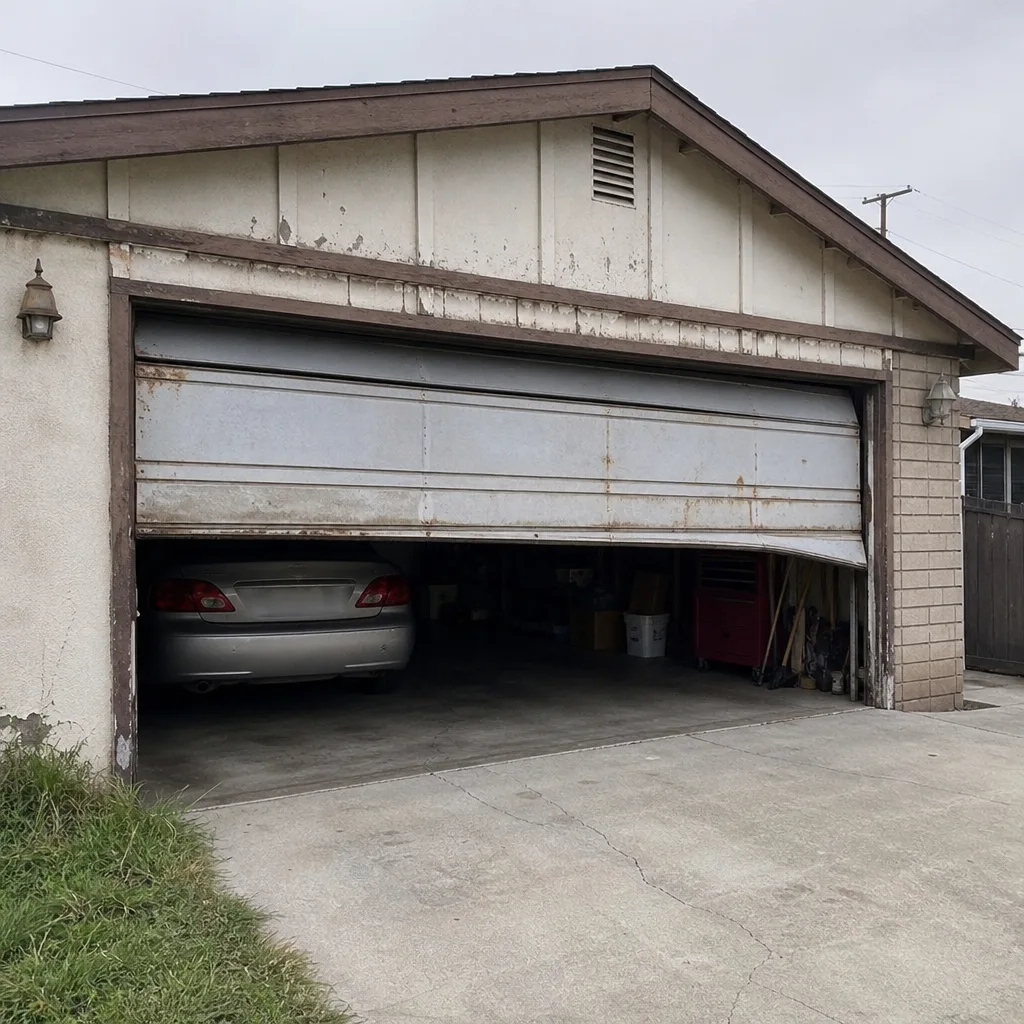 Before
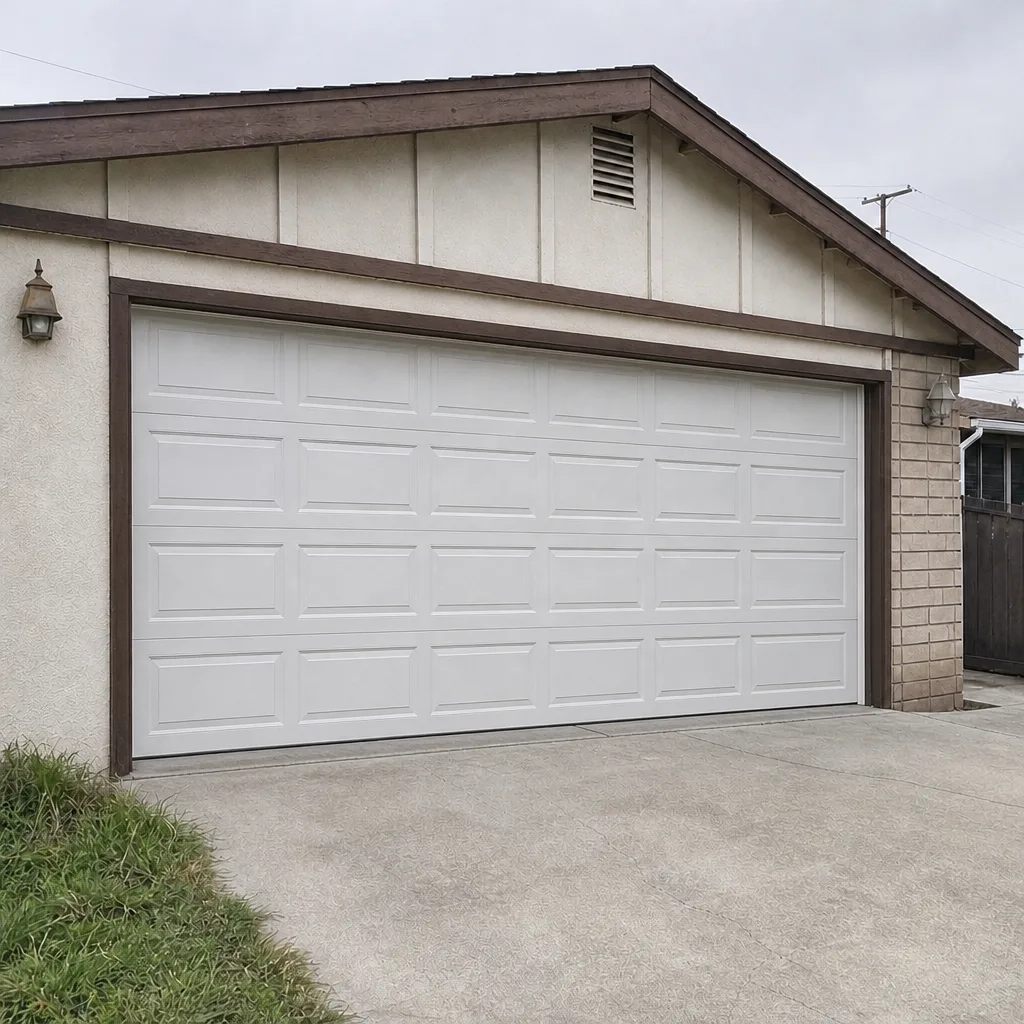 After
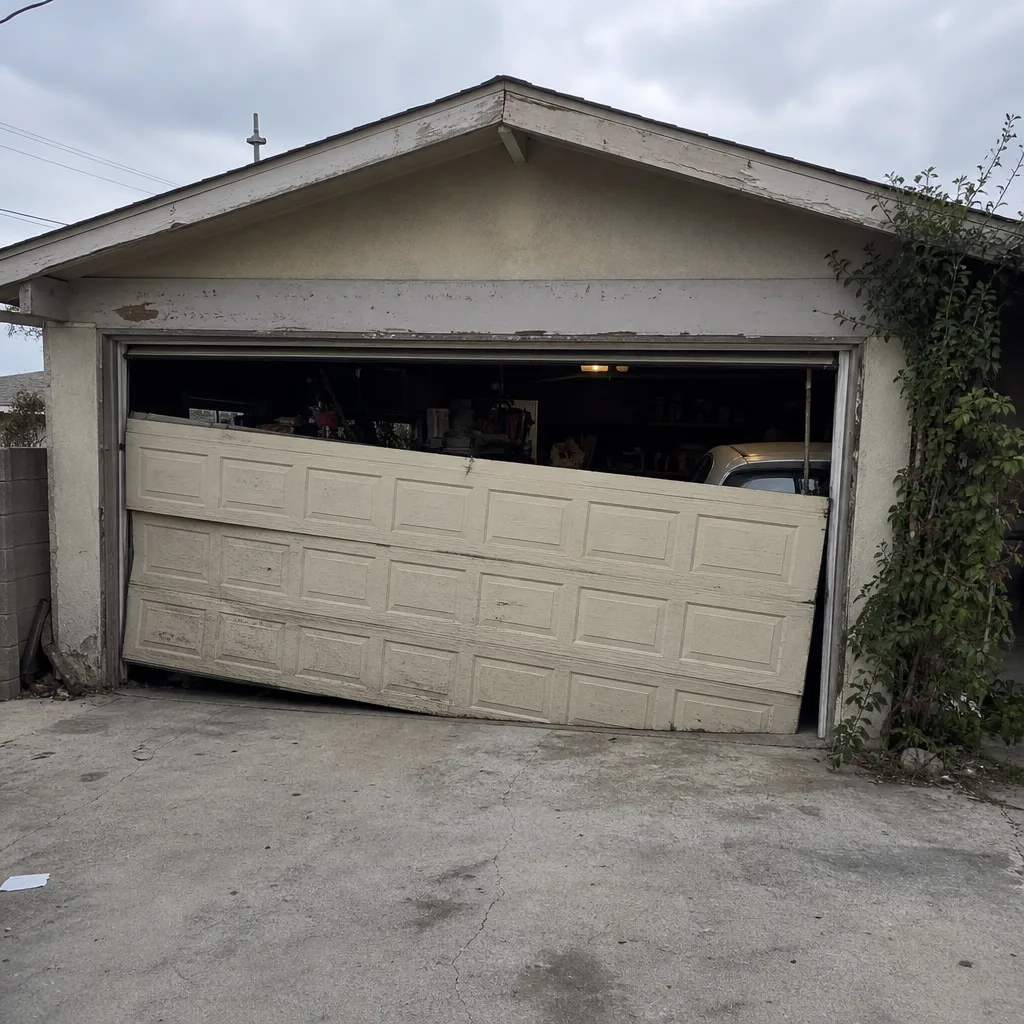 Before
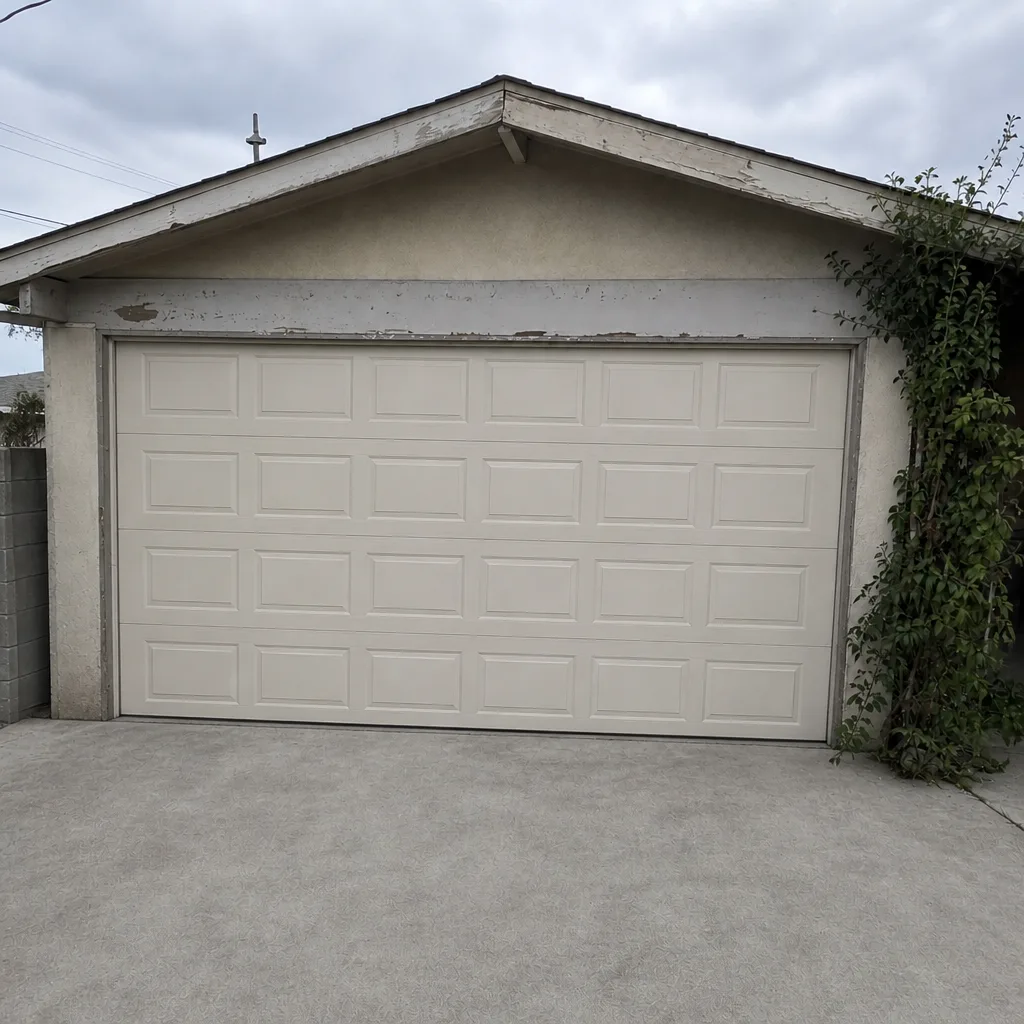 After
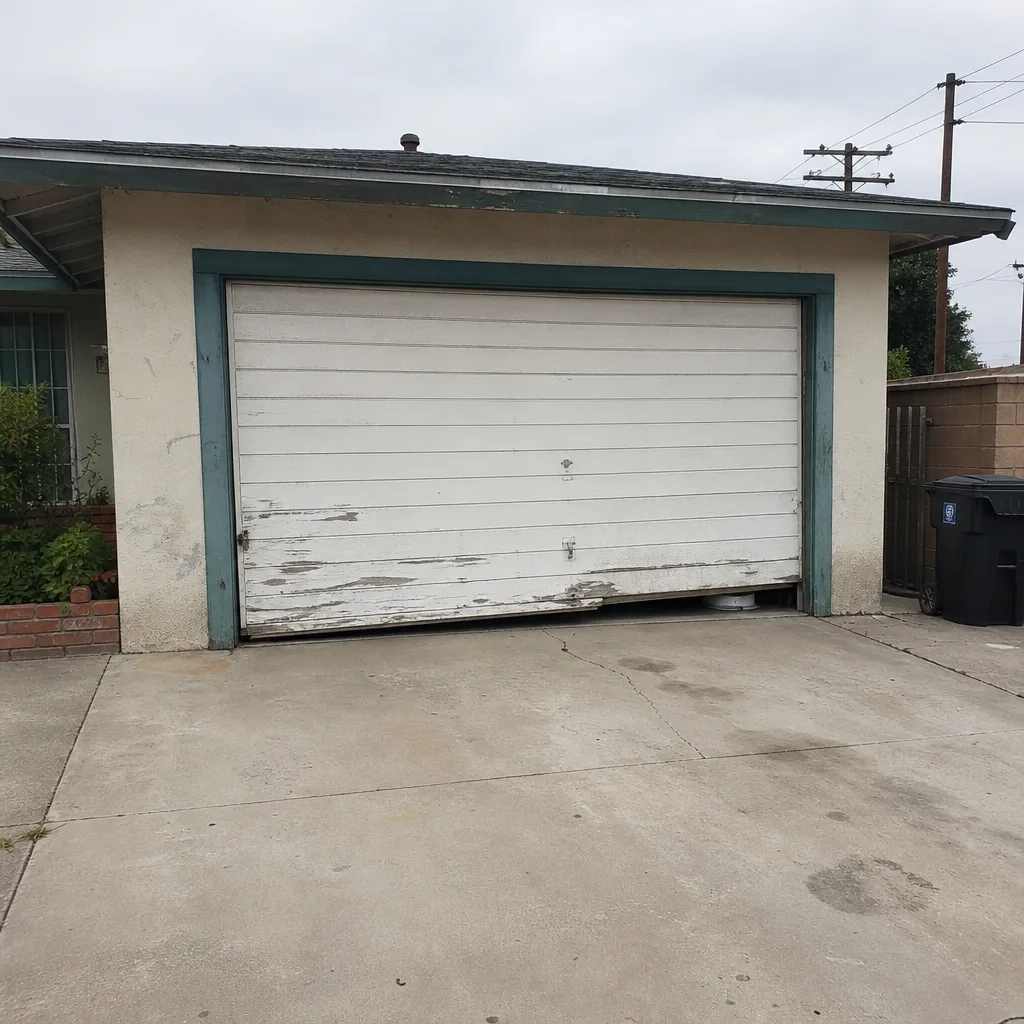 Before
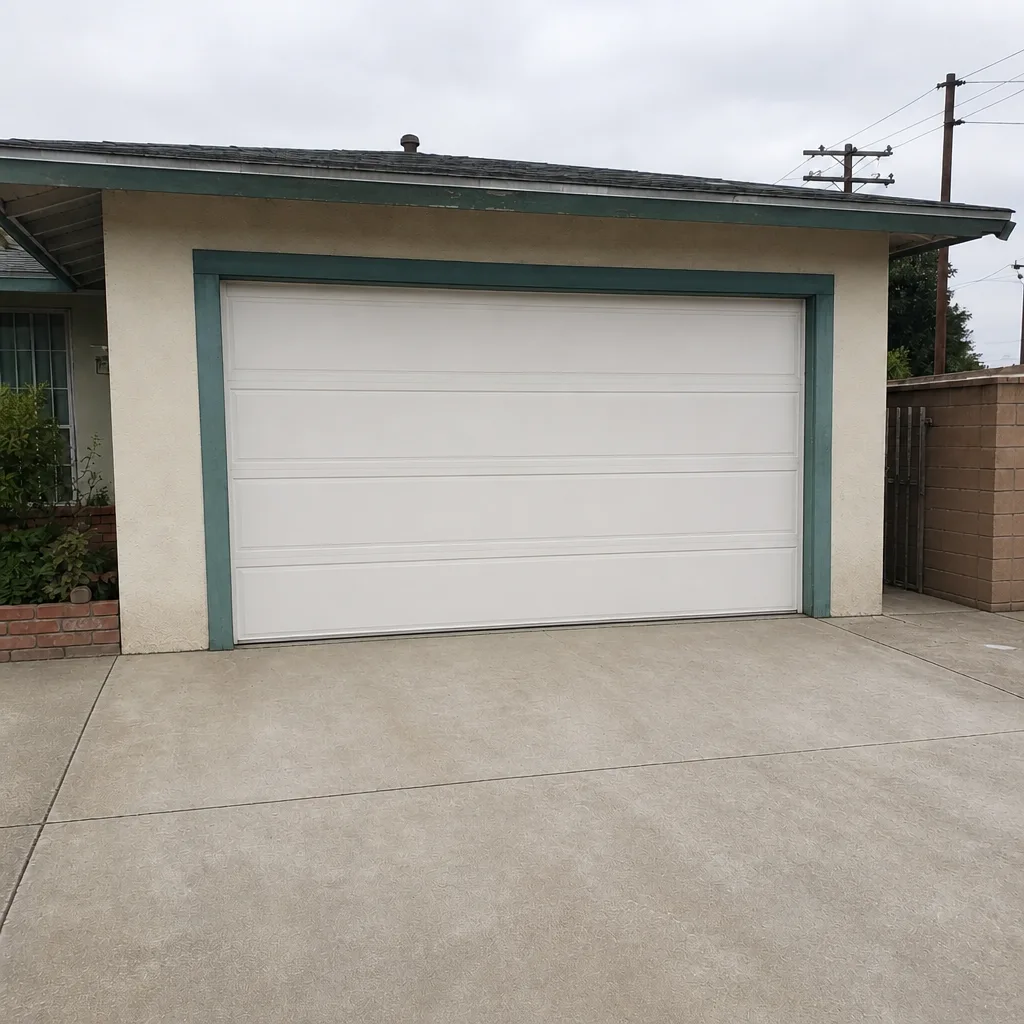 After