
Last updated November 4, 2026
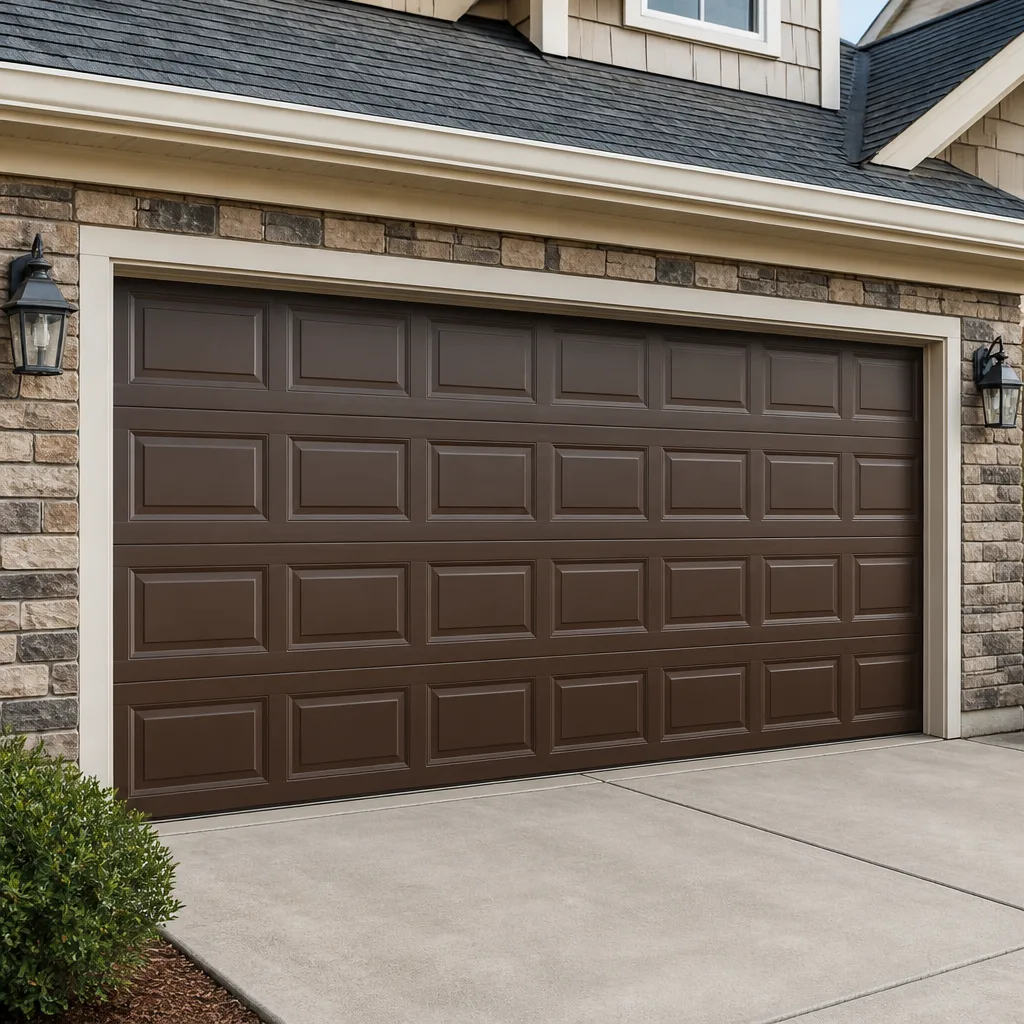 Raised-panel steel
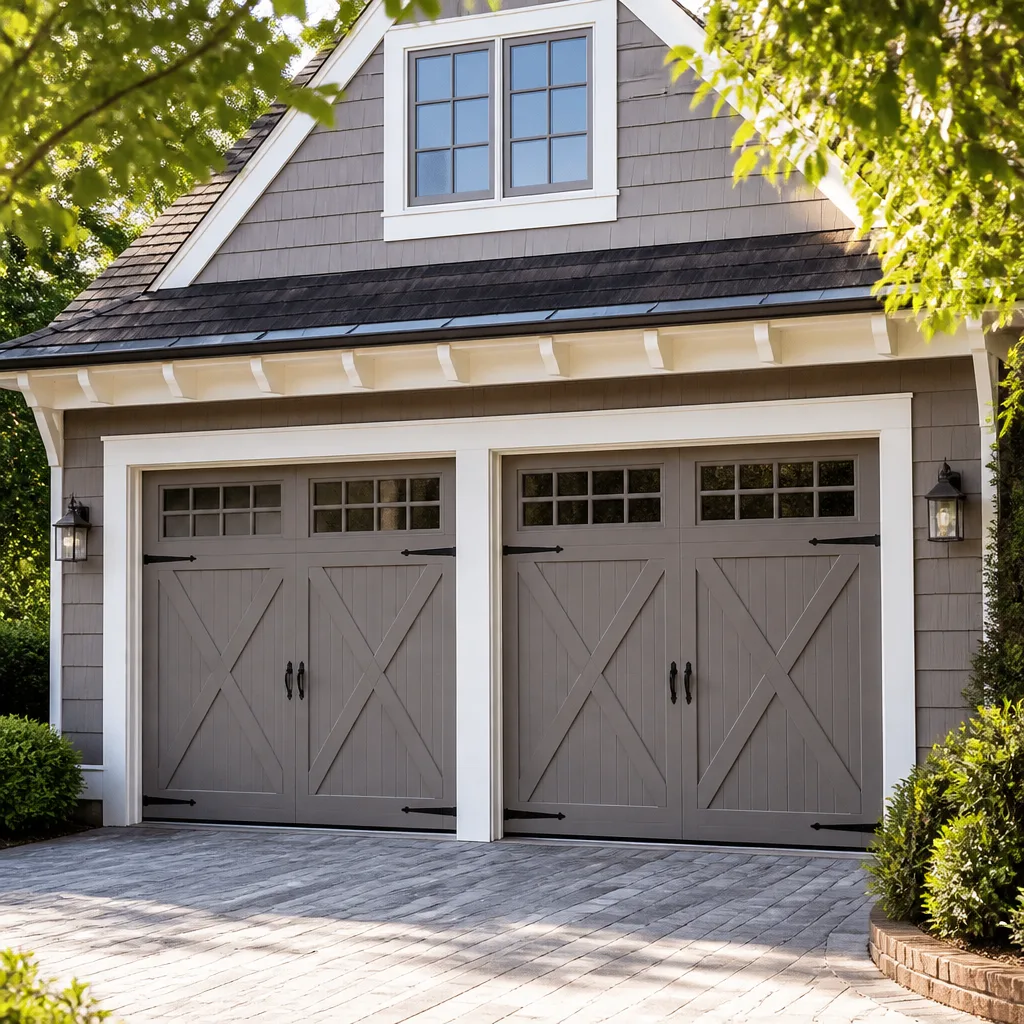 Carriage house
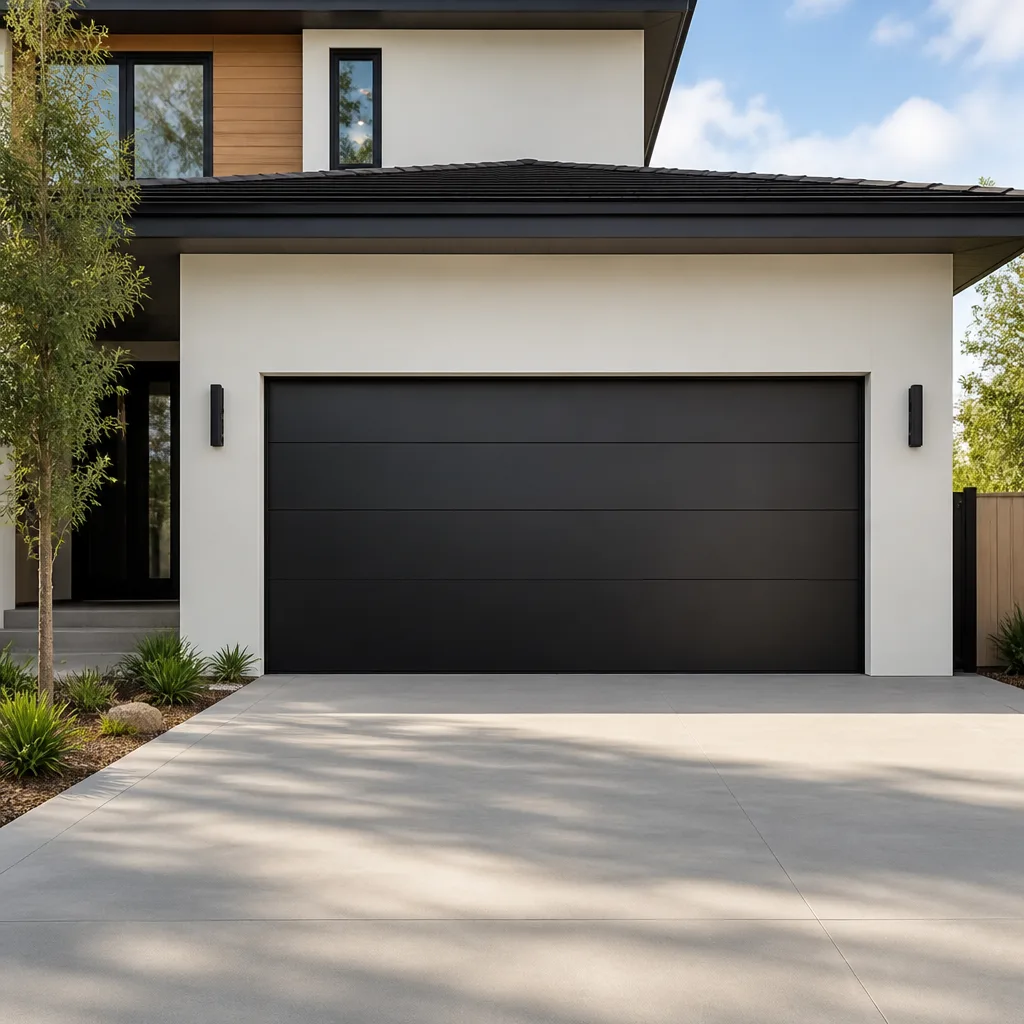 Modern flush
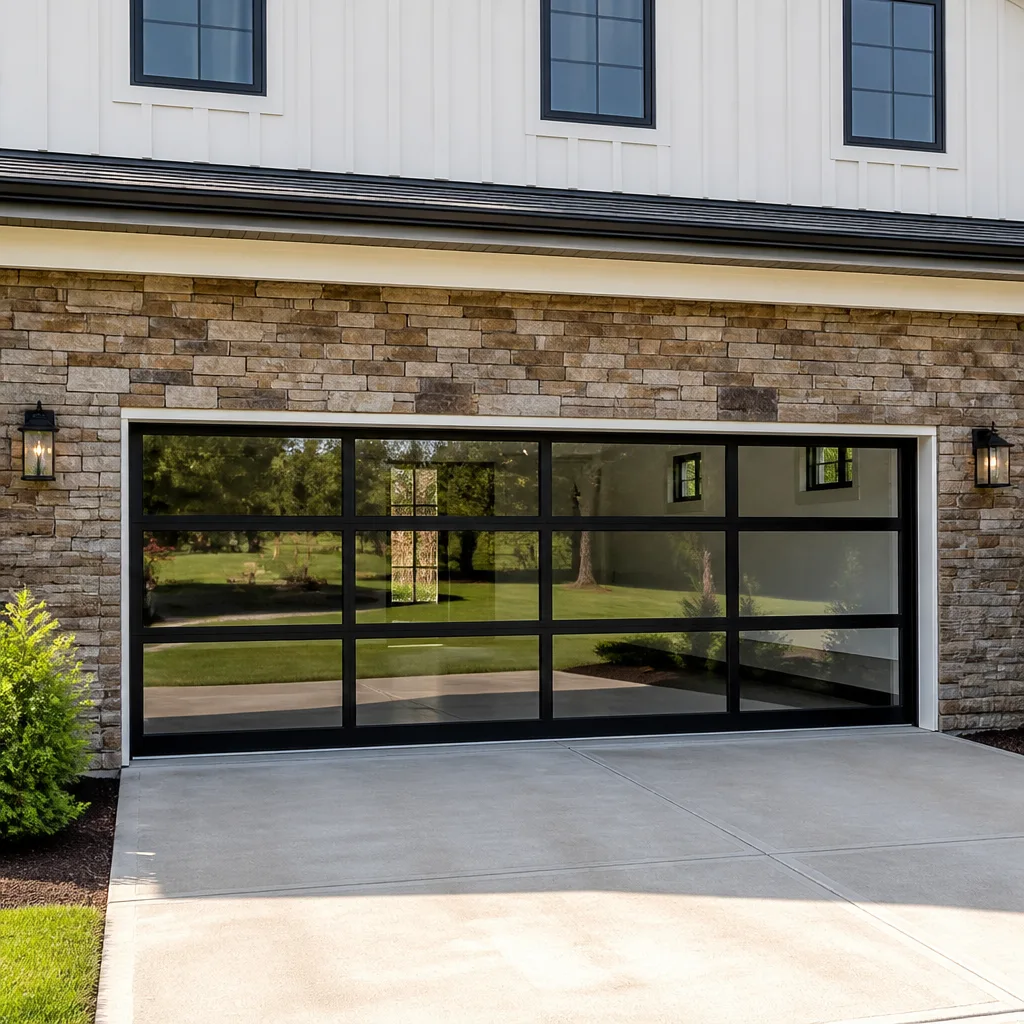 Full-view glass
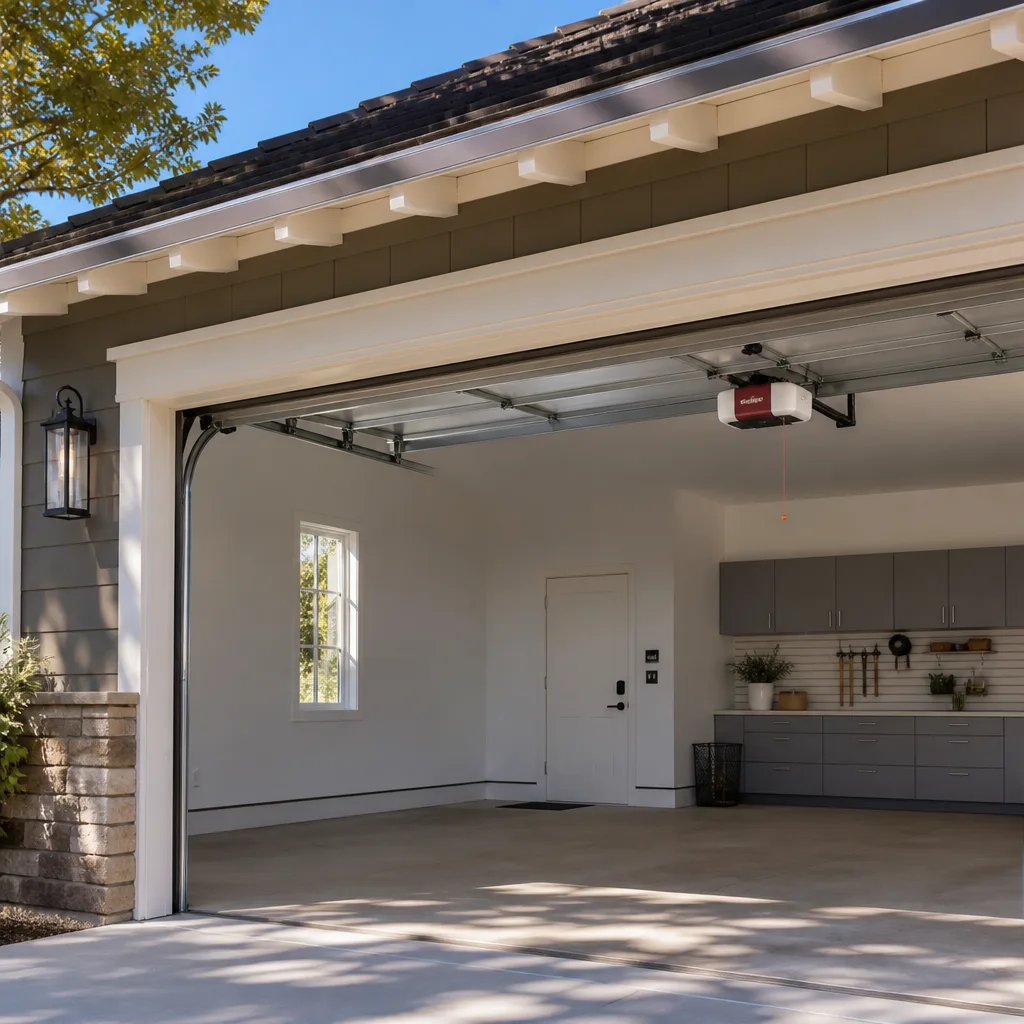 LiftMaster openers
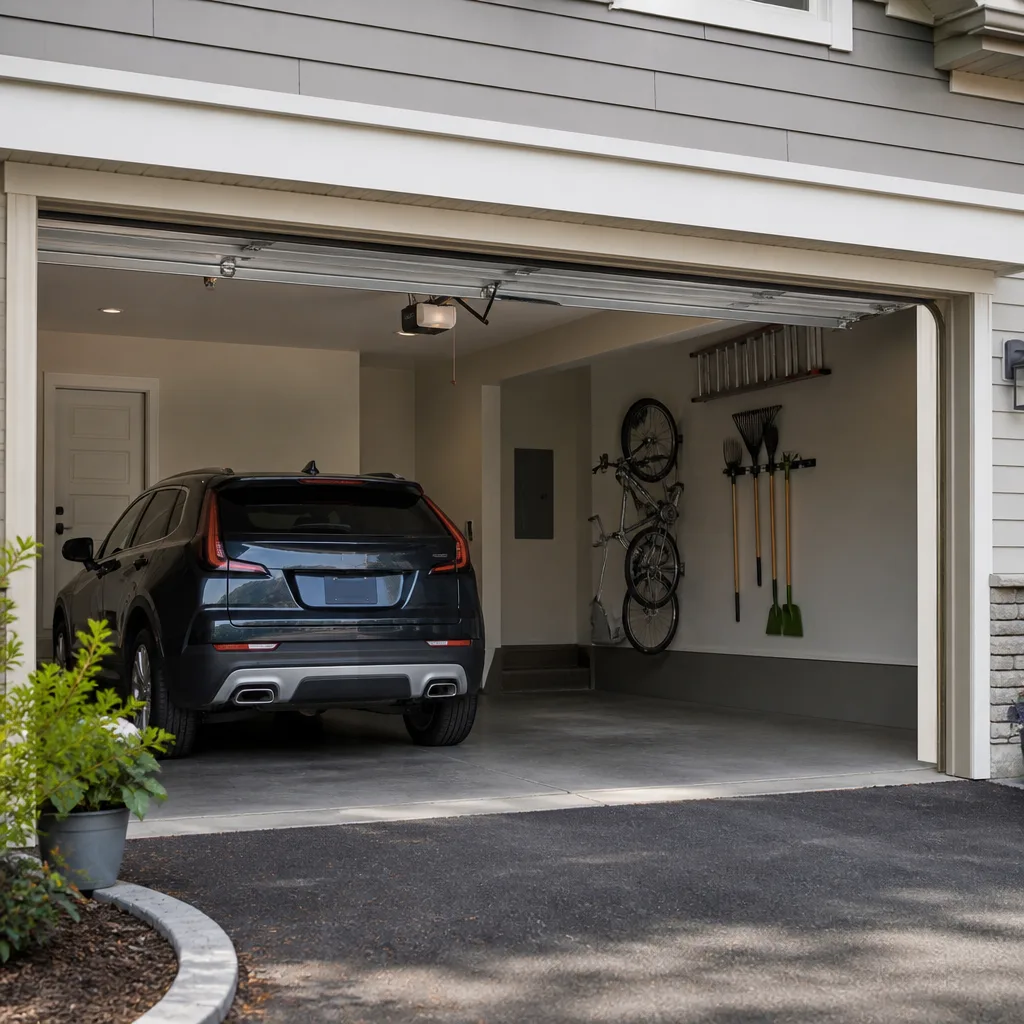 Chamberlain openers
Full 25-point door and opener safety check with every visit - springs, cables, rollers, tracks, and your LiftMaster or Chamberlain opener included
You get a price before we start. It does not change when the truck arrives.
Get your free estimateGarage Door Repair Maintenance Schedule: What to Do and When
Lubricating your garage door springs every month is one of the most common maintenance tips online, and one of the fastest ways to attract grit, accelerate wear, and void a spring warranty. Frequency isn’t the same as effectiveness, and a garage door that gets the wrong kind of attention too often will fail sooner than one that gets the right attention at the right intervals. This guide strips the padded checklists down to what actually matters for a door in Pico Rivera, where dry, dusty air changes how hardware wears and what maintenance actually helps. You’ll get a realistic schedule: monthly visual checks you can do in under two minutes, semi-annual mechanical tasks that genuinely extend component life, and an annual professional inspection that catches the drift and fatigue you cannot see from the ground.
Styles & brands we work with
- Raised-panel steel
- Carriage house
- Modern flush
- Full-view glass
- LiftMaster openers
- Chamberlain openers
Quick Answer
A practical garage door maintenance schedule has three tiers: monthly visual and sound checks you can do yourself, semi-annual lubrication and tightening tasks with the right products, and an annual professional inspection of spring tension, cable condition, and opener force settings. In Pico Rivera’s dusty climate, the lubrication interval matters less than the lubricant type: a dry-film lubricant on rollers and hinges prevents the dust-on-grease buildup that shortens hardware life. Skip the monthly spring lubrication habit entirely, and treat anything involving a spring, cable, or bottom bracket as a technician-only job.
Table of Contents
- The Monthly Visual Check: Two Minutes That Catch Most Problems
- Semi-Annual Tasks: What to Lubricate, Tighten, and Test
- The Annual Professional Inspection: Why It’s Non-Negotiable
- The Right Lubricants for Each Component, and Why WD-40 Is Wrong
- The 30-Second Balance Test: Catching Spring Drift Early
- Owner-Friendly Tasks vs. Technician-Only Work
- How Pico Rivera’s Climate Changes Your Maintenance Schedule
- Common Mistakes to Avoid
- When to Call a Professional
- Frequently Asked Questions
- The Bottom Line
The Monthly Visual Check: Two Minutes That Catch Most Problems
Most garage door failures announce themselves weeks before they actually happen. A fraying cable shows individual wire strands lifting away from the bundle. A wearing roller develops a flat spot you can see when the door is halfway up. A hinge that’s working loose leaves a faint line of dark dust on the panel below it, a giveaway of metal rubbing against metal. You do not need tools for this check, and in Pico Rivera you’ll want to set a recurring phone reminder because the door usually works fine until the day it does not.
Here is the complete monthly checklist, in order, from one side of the door to the other:
- Stand inside the garage and close the door. Look at the gap between the door and the frame on both sides. It should be even from top to bottom. A gap that’s wider at the bottom than the top usually means a hinge or bracket issue, not a door problem.
- Run your eyes along each of the four cables (two per side on a standard torsion system; one per side on an extension system). Look for loose strands, rust staining, or a cable that sits slightly proud of the drum instead of flat in its groove.
- Look at each of the rollers where they meet the track. A roller that wobbles side to side or shows visible wear on its wheel surface needs attention sooner than later. Nylon rollers with cracked wheels are done; steel rollers with flat spots are done.
- Check the hinges where the door panels connect. Loose hinge bolts are common on doors that cycle several times a day. If you see any movement when the door operates, add that hinge to your next tightening pass.
- Look at the spring assembly. A torsion spring with a visible gap in its coil (not a continuous tight coil) is broken. An extension spring with a stretched or separated coil is broken. Do not touch either.
- Listen. Open the door halfway and stop it. Then close it. A smooth door sounds like soft rolling with a low hum from the opener. Grinding, squealing, popping, or any rhythmic thumping is diagnostic information: note where it’s coming from and when it happens.
We’ve seen Pico Rivera homeowners catch a fraying cable months before it snapped because they did this check consistently. The check itself is the cheapest insurance you’ll ever perform on the door. If anything on the list looks wrong and you don’t know what it means, that’s exactly what a garage door repair estimate is for, and it costs you nothing to find out.
Semi-Annual Tasks: What to Lubricate, Tighten, and Test
Twice a year, ideally once before the hot, dusty stretch and once after it, the door needs about 30 minutes of hands-on attention. These are the tasks where the right product and the right amount matter more than how often you do them. Over-lubricating is what causes the dust-cake buildup that wears rollers prematurely in Pico Rivera. Under-lubricating a hinge causes the squeal people mistake for a garage door problem when it’s just metal friction.
Here is the semi-annual task list, in the order you should do it:
- Wipe down the tracks. Garage door tracks should never be greased. Use a clean, dry rag to wipe dust and debris out of the vertical and horizontal tracks. If you see caked-on grime, a mild degreaser on the rag is fine; spray nothing directly into the track.
- Lubricate the rollers. Use a silicone-based or lithium-based dry lubricant on the roller bearings, not the wheel surface. One short burst per roller is enough. Wipe away any excess immediately. In Pico Rivera’s dusty air, excess lubricant becomes a grinding paste within a week.
- Lubricate the hinges. One drop or short burst at each hinge pivot point, then cycle the door once and wipe any drips. Hinges with caked-on old grease should be wiped clean before adding new lubricant.
- Lubricate the spring. A light coat of spray lubricant on a torsion spring helps it move smoothly through its cycle. This is the one case where more is worse: soak a spring and you’ll have a stripe of oily dust down the center of your garage. A light coat, twice a year, is enough.
- Check and tighten hardware. With the door closed, check the bolts on all hinges, the track brackets, and the opener rail. Use a socket or wrench, not pliers. A bolt that keeps loosening may be in an egged-out hole and needs a professional look.
- Test the auto-reverse sensors. Place a roll of paper towels or a 2×4 flat on the floor in the door’s path, then close the door. It should reverse before or at contact. A door that closes on the object without reversing is a safety failure that needs garage door opener repair attention.
- Check the weather seal. The rubber strip along the bottom of the door degrades in heat and sun. If it’s cracked, flattened, or pulling away from the retainer, it’s time to replace it. This seal keeps dust, mice, and the Pico Rivera summer heat from getting under the door.
Most of this list is genuinely owner-friendly. The one caution: the spring lubrication step requires reaching near a component under extreme tension. If you’re uncomfortable with that position or if anything about your spring looks abnormal during the visual check, skip it and put it on the professional inspection list. No lubricant is worth a trip to urgent care.
The Annual Professional Inspection: Why It’s Non-Negotiable
You can watch, listen, tighten, and lubricate, but there are things a homeowner cannot assess without a torque wrench, a spring scale, or the experience to read wear patterns that look fine at first glance. A professional inspection once a year catches drift before it becomes failure, and in a system that cycles under hundreds of pounds of tension, drift is invisible right up until the moment it isn’t.
What a professional inspection actually covers:
- Spring tension measurement. Torsion springs lose a small amount of tension every cycle. A technician can measure the current tension against the door’s weight and adjust it. They can also read the spring’s coil wear and tell you roughly how much life it has left. No homeowner tool does this.
- Cable and drum inspection. Cables wear from the inside out. The strands that fail first are the ones you can’t see without looking into the drum. A technician checks for flat spots on the drums, cable seating, and early signs of strand fatigue.
- Roller and hinge wear measurement. The difference between a roller with two years left and one with two months left is visible to a trained eye. Same for hinges with subtle play that a 30-second check won’t catch.
- Opener force and travel calibration. Your opener should reverse when it meets resistance and stop at the right points in travel. A technician can use a force gauge to verify the settings meet the manufacturer’s spec, something no homeowner can do by feel.
- Track alignment and bracket integrity. A track that’s out of square by a quarter inch creates uneven wear on every hinge and roller in the system. This is measured with a level, checked at multiple points, and corrected before it becomes a binding door.
- A brand-specific look. Genie, Clopay, Amarr, and Wayne Dalton doors each have their own wear signatures and known weak points. A technician who works across those brands knows what to check on yours specifically, rather than running the same generic list for every door.
Sherwood Garage Door Repair has worked across the major brands for 15 years, and the inspection we recommend is the same one we’d perform on our own doors. It’s not a sales call disguised as a checkup. It’s a system audit. If everything’s healthy, we say so, and you don’t see us again for another year. That’s how it should work.
The Right Lubricants for Each Component, and Why WD-40 Is Wrong
WD-40 is a water-displacing solvent, not a lubricant. It’s excellent at freeing rusted bolts, cleaning gunk off metal, and displacing moisture from electrical connections. It is the wrong product for garage door rollers, hinges, and springs, and using it as a routine lubricant actually strips whatever proper lubrication was already there. If you’ve been spraying WD-40 on your door twice a year, you’ve been degreasing it, not maintaining it.
Here’s what each component actually needs:
- Rollers: A dry-film silicone spray or a lithium-based spray lubricant applied to the bearing, never the wheel. Nylon rollers with sealed bearings need less than steel rollers, but a light application twice a year helps both.
- Hinges: A light machine oil or lithium spray at each pivot point. The goal is a thin film between moving metal surfaces, not a drip.
- Torsion springs: A silicone or lithium spray applied lightly along the spring. This reduces friction as the coil winds and unwinds. It does not reduce spring fatigue, and no amount of lubrication extends spring life; it only keeps the spring operating smoothly while it does its job.
- Tracks: Nothing. Ever. Tracks are a guide surface, not a wear surface. Greasing tracks attracts dust, creates drag, and causes the exact uneven wear you’re trying to prevent. If the rollers are operating properly, they need no help in the track.
- Lock and handle mechanism: A short shot of graphite or Teflon-based lubricant once a year keeps the keyhole and latching hardware working without attracting the fine dust that accumulates in Pico Rivera garages.
The dust problem deserves emphasis because garage doors in this area collect a fine, light layer of particulate that behaves differently from the heavy, wet grime in coastal or humid climates. Grease-based lubricants hold that dust and create an abrasive paste. Dry-film products do not. If you’re choosing between two lubricants and one says “grease” anywhere on the label, put it back.
The 30-Second Balance Test: Catching Spring Drift Early
Every torsion spring loses a fraction of its tension with each cycle. The door gets slightly heavier to lift, the opener works harder, and eventually the spring fatigues and breaks. The balance test gives you an early warning, and it takes 30 seconds.
- Close the garage door completely.
- Pull the red emergency release handle on the opener rail. This disconnects the door from the opener carriage.
- Lift the door manually by its handle to the halfway point, about chest height.
- Let go of the door completely.
A properly balanced door will stay at the halfway point, or drift only slightly. It will not rise on its own, and it will not fall. A door that falls from halfway is under-sprung: the springs are not counterbalancing the door’s weight, and the opener is doing work the springs should be doing. A door that rises on its own is over-sprung, which usually means a spring was recently replaced with one rated too strong for the door’s weight.
Both conditions are early indicators. Running a door in either state for months puts additional strain on the opener, the hinges, and the top panel. The correction is a spring adjustment or replacement, and both are jobs for a technician with the right winding tools and a scale to verify the door’s actual weight. Attempting to adjust a torsion spring yourself is genuinely dangerous: the spring is under enough tension to cause serious injury if it releases, so leave this one to a professional.
Owner-Friendly Tasks vs. Technician-Only Work
There’s a line between what a careful homeowner can do safely and what only a trained technician should attempt. The line is not about intelligence or dexterity; it’s about spring tension, cable load, and the consequences of getting it wrong. Here’s the honest breakdown.
Owner-friendly tasks:
- The monthly visual and sound check described above.
- Tightening loose hinge and bracket bolts with the door closed.
- Wiping down tracks and applying the correct dry lubricants to rollers, hinges, and springs in the amounts described.
- Replacing the bottom weather seal, which slides out of a retainer track on most doors.
- Testing the auto-reverse function on the opener.
- Replacing opener remote batteries and reprogramming remotes when the opener is functioning correctly.
Technician-only tasks, no exceptions:
- Adjusting or replacing torsion springs. The winding procedure uses calibrated bars under load, and a mistake can release the spring’s stored energy violently.
- Replacing or re-seating cables. Cables are under the same tension as the springs and can cut or strike if they release.
- Replacing bottom brackets, which hold the cable tension and should never be unbolted while loaded.
- Adjusting opener force limits and travel stops beyond the simple two-button adjustments on the opener.
- Replacing a panel on a door with an active spring system. Spring tension changes as panel weight changes, and the system must be re-tensioned correctly.
- Any repair where you’d be working under a raised door without a way to secure it independently of the cables.
We’ve never met a homeowner who regretted calling a professional for spring or cable work. We have met several who regretted not calling. If a task appears on the second list, the right move is a phone call. Sherwood offers free estimates across Pico Rivera, and the estimate tells you what the job involves and what it will cost before anything is touched.
How Pico Rivera’s Climate Changes Your Maintenance Schedule
Pico Rivera sits inland, away from the marine layer, and the summer months bring dry heat that does two specific things to garage door hardware. First, it dries out conventional greases faster than coastal air does. Second, and more importantly, the dry air carries fine dust that settles on every horizontal surface in an open garage, including the top of your door panels, the spring assembly, and the opener rail. That’s why lubrication choices matter more here than in many places.
The practical adjustments for Pico Rivera homeowners are straightforward:
- Stick to dry-film lubricants exclusively. Grease-based products will hold the local dust and create a paste that accelerates roller and hinge wear. This is the single biggest preventive decision you’ll make.
- Schedule your semi-annual tasks in fall and spring. A lubrication pass before the dry, hot season and another after it keeps the right amount of product on the moving parts without building up.
- Check the weather seal more often in summer. The bottom rubber degrades faster in sustained heat and direct sun on south-facing doors. A cracked seal lets in dust, heat, and pests.
- Listen for dry metallic squeaks earlier than you would elsewhere. The climate accelerates lubrication breakdown, which means a squeak that would appear after eight months in a coastal city may show up after five or six here.
The good news is that Pico Rivera does not experience the freeze-thaw cycles that crack panels and rust hardware in colder climates, so the metal parts of the door are under less environmental stress overall. The maintenance burden is dust and dryness, not corrosion and ice. That’s a good problem to have, and it’s manageable with the right products and the right schedule.
Common Mistakes to Avoid
- Lubricating the springs monthly. This is the maintenance myth that will not die. Monthly spring lubrication is unnecessary, and the overspray attracts dust, builds up on the coil, and drips onto the door and floor. Twice a year with a light coat is the correct interval. More often is actively worse in Pico Rivera’s dry, dusty air.
- Greasing the tracks. Tracks are a guide surface, not a moving part. Adding grease to tracks is one of the most reliable ways to create drag, uneven wear, and a door that sticks halfway. If the tracks look dirty, wipe them. If the rollers need help, lubricate the roller bearings, not the track.
- Using WD-40 as a lubricant. WD-40 is a solvent and water-displacer. It strips lubrication from rollers and hinges and leaves them drier than before you sprayed. It has legitimate uses on a garage door, but routine lubrication is not one of them.
- Ignoring a squeak because the door still works. A squeak is a component running dry or out of alignment. It is not harmless, and it does not go away on its own. It is the earliest, cheapest warning you’ll ever get from a door.
- Adjusting spring tension with improvised tools. If a spring needs adjustment, the adjustment requires a calibrated winding tool and someone who’s done it hundreds of times. Improvised rods, screwdrivers, or pry bars are how people get hurt. This is not a handyman task.
- Replacing one spring instead of the pair. On a two-spring torsion system, both springs have the same number of cycles on them. When one fails, the other is statistically close behind. Replacing only one creates an imbalanced door that wears hardware unevenly and typically fails again within a year or two.
- Putting off the annual inspection until something breaks. The annual inspection is the single lowest-cost thing you can do for a garage door, and the one most people skip. It catches the drift, wear, and fatigue that turn a $150 fix into a $600 failure. In Pico Rivera, where most doors cycle multiple times a day, skipping it is gambling with known odds.
When to Call a Professional
If the door will not open or close, makes a loud bang, or shows a visible gap in a torsion spring coil, stop using it and call for service. Those are not maintenance items. A broken spring, a snapped cable, or a door that falls when you pull the release handle means something in the tension system has failed, and continuing to cycle the door with the opener risks further damage to the panels and the opener itself.
Also call if you’ve done the balance test and the door falls or rises from halfway, if the auto-reverse fails consistently, or if you see fraying on any cable during your monthly check. These are the early indicators of a failure that’s still avoidable. Sherwood Garage Door Repair offers free estimates in Pico Rivera, and we’ll tell you what’s going on before you commit to any repair. Call (866) 618-5424. We answer 24/7. Fast dispatch from 7am to 7pm, Sunday through Friday.
Frequently Asked Questions
Twice a year is the right interval for most garage doors in Pico Rivera, ideally once in spring and once in fall. Lubricate the roller bearings, hinge pivot points, and torsion spring lightly with a dry-film silicone or lithium spray, and wipe off any excess. Monthly lubrication is unnecessary and counterproductive: it attracts dust and creates a grinding paste on the moving parts.
Yes, applying a light coat of spray lubricant to a torsion spring is an owner-friendly task, provided the spring is intact and you can reach it safely. Do not touch or adjust the spring, and do not soak it with lubricant. If the spring shows any gap in its coil or if anything about it looks unusual, stop and call a professional for an inspection.
Pull the red emergency release handle with the door closed, lift the door manually to the halfway point, and let go. A properly balanced door will hold at halfway or drift only slightly. A door that falls from halfway is under-sprung. A door that rises is over-sprung. Both conditions mean the spring tension needs adjustment by a technician.
Use a dry-film silicone spray or a lithium-based spray lubricant for rollers, hinges, and springs. The dry, dusty climate here makes grease-based products a poor choice because they hold fine dust and create a paste that accelerates wear. Avoid WD-40, which is a solvent that strips existing lubrication rather than adding it.
No. Garage door tracks are a guide surface for the rollers, not a moving part that needs lubrication. Grease or oil in the tracks attracts dust, creates drag, and causes uneven wear. If the tracks are dirty, wipe them clean with a dry rag or a mild degreaser on a rag.
A proper annual inspection covers spring tension measurement, cable and drum inspection, roller and hinge wear assessment, opener force and travel calibration, and track alignment. The technician should also look at the bottom weather seal and the overall condition of the door panels. In Pico Rivera, paying special attention to dust accumulation on lubricated parts and the condition of the weather seal is worth the extra effort during the hot, dry months.
The Bottom Line
A garage door does not ask for much. A monthly visual check, a semi-annual pass with the right lubricants, and one professional inspection a year will catch most problems before they become emergencies and extend the life of every component in the system. What a garage door does ask is that you stop over-lubricating it, keep grease out of the tracks, and leave the springs, cables, and tension adjustments to someone trained and equipped to handle them. In Pico Rivera’s dry, dusty climate, the choice of lubricant and the discipline to wipe away excess matter more than most homeowners realize. If you’re not sure what your door needs next, call Sherwood Garage Door Repair for a free estimate, and we’ll tell you the truth about what needs doing and what can wait. Call (866) 618-5424. We answer 24/7. Fast dispatch from 7am to 7pm, Sunday through Friday.
Written by the team at Pico Rivera Garage Door Repair, serving Pico Rivera since 2011.
See the difference
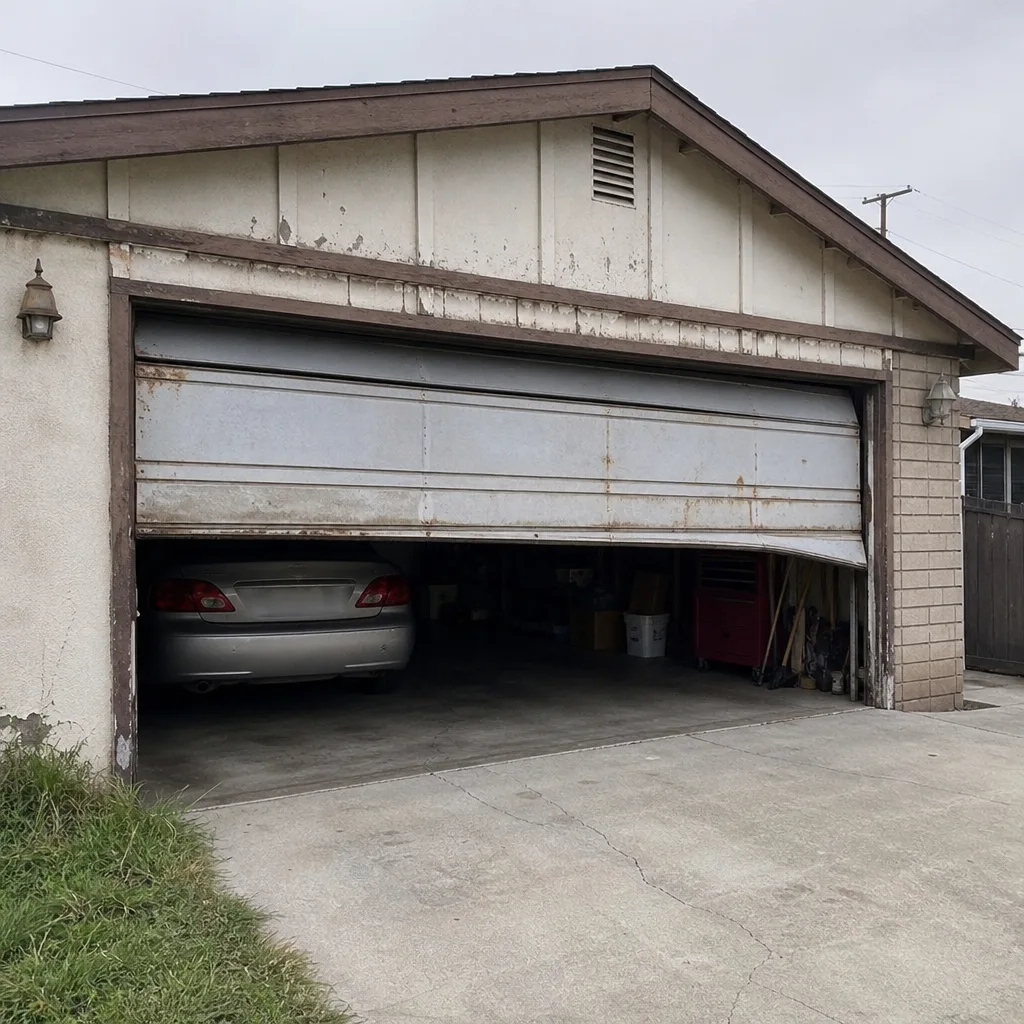 Before
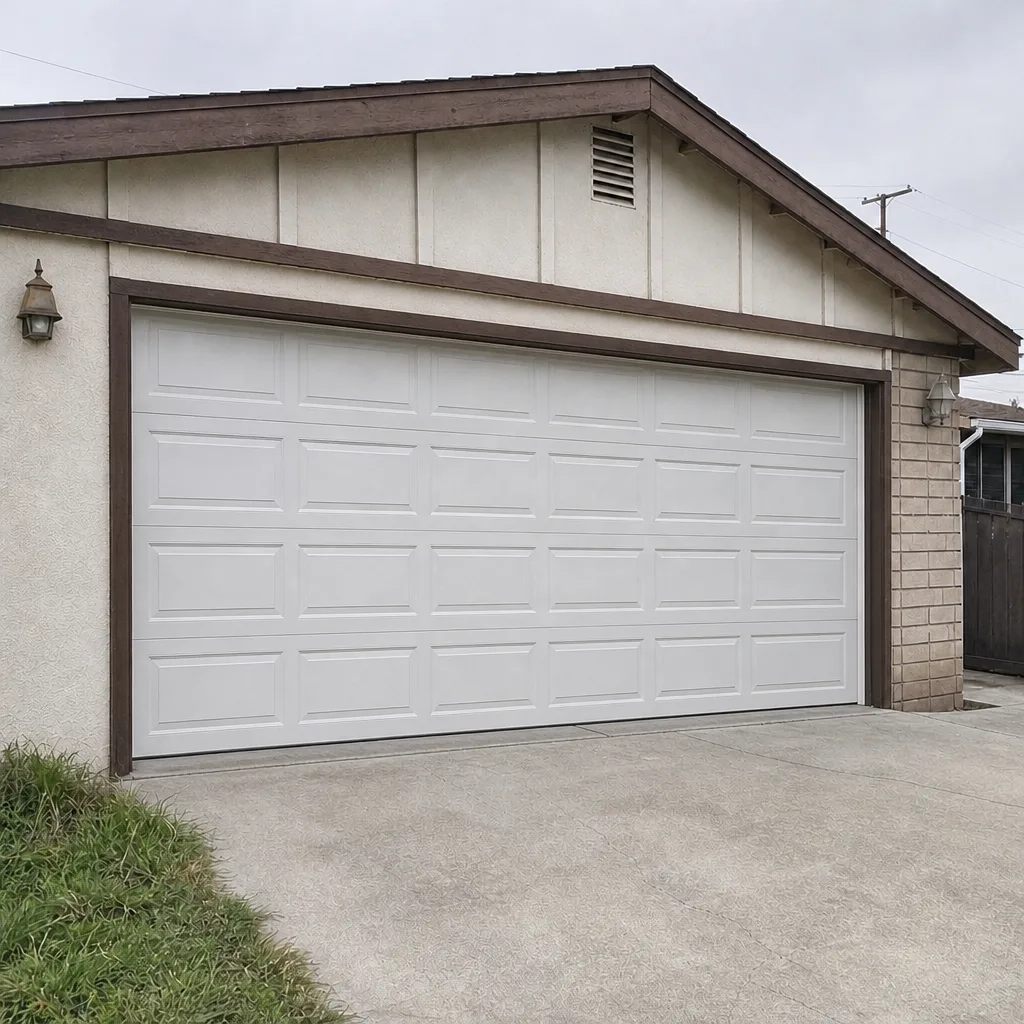 After
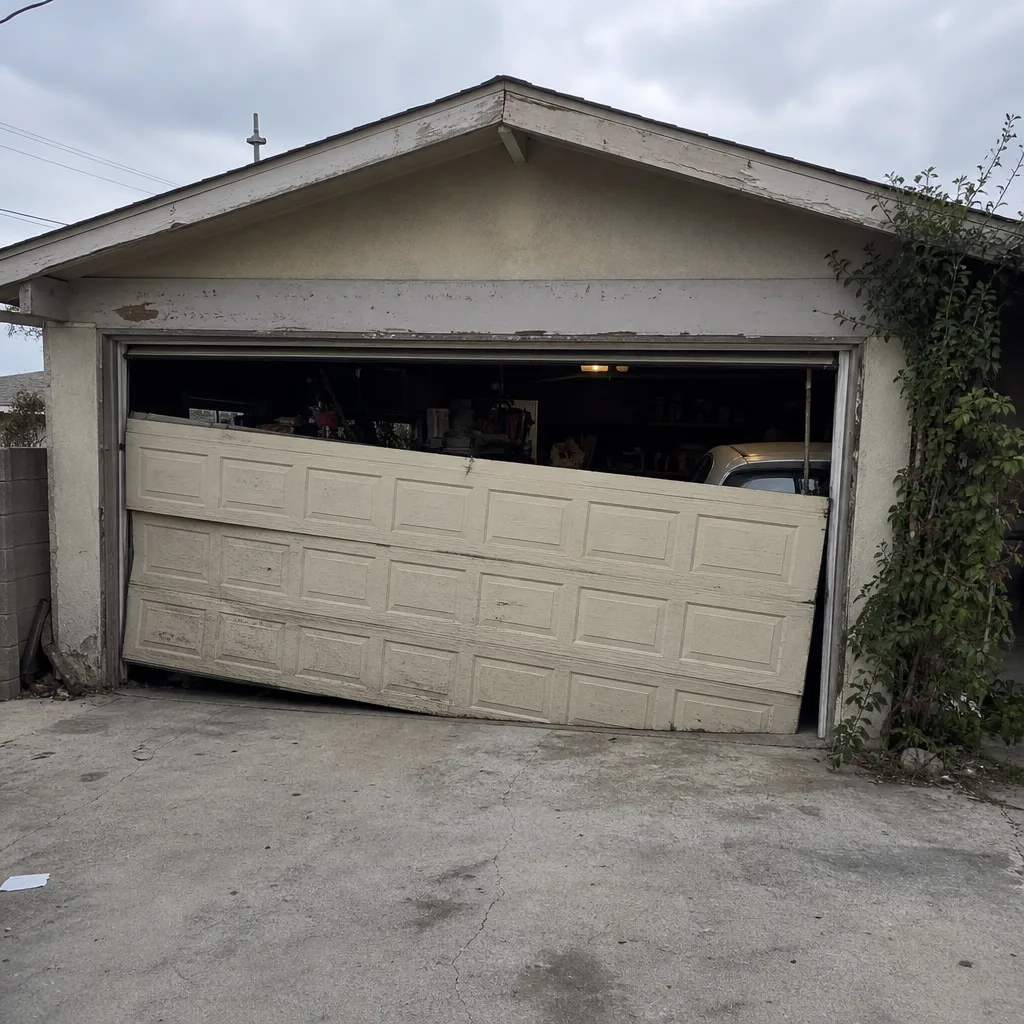 Before
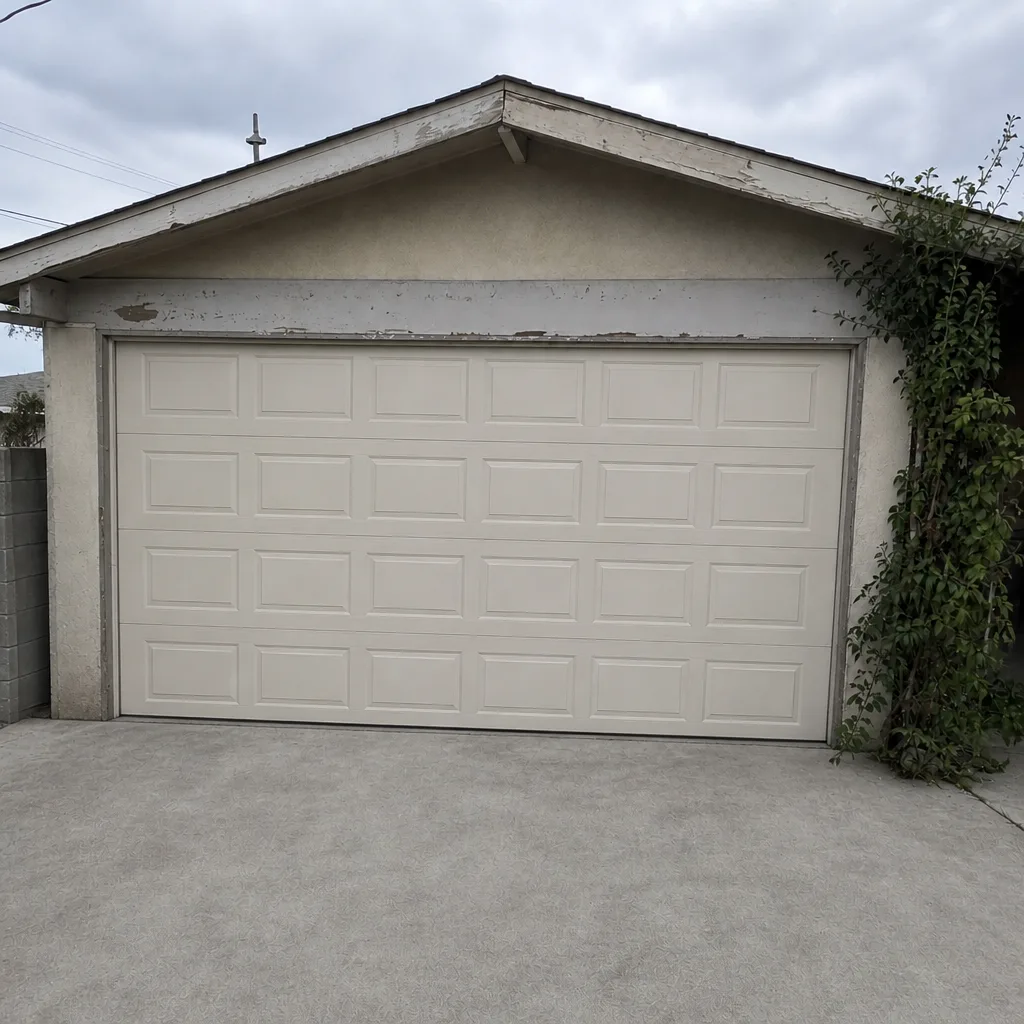 After
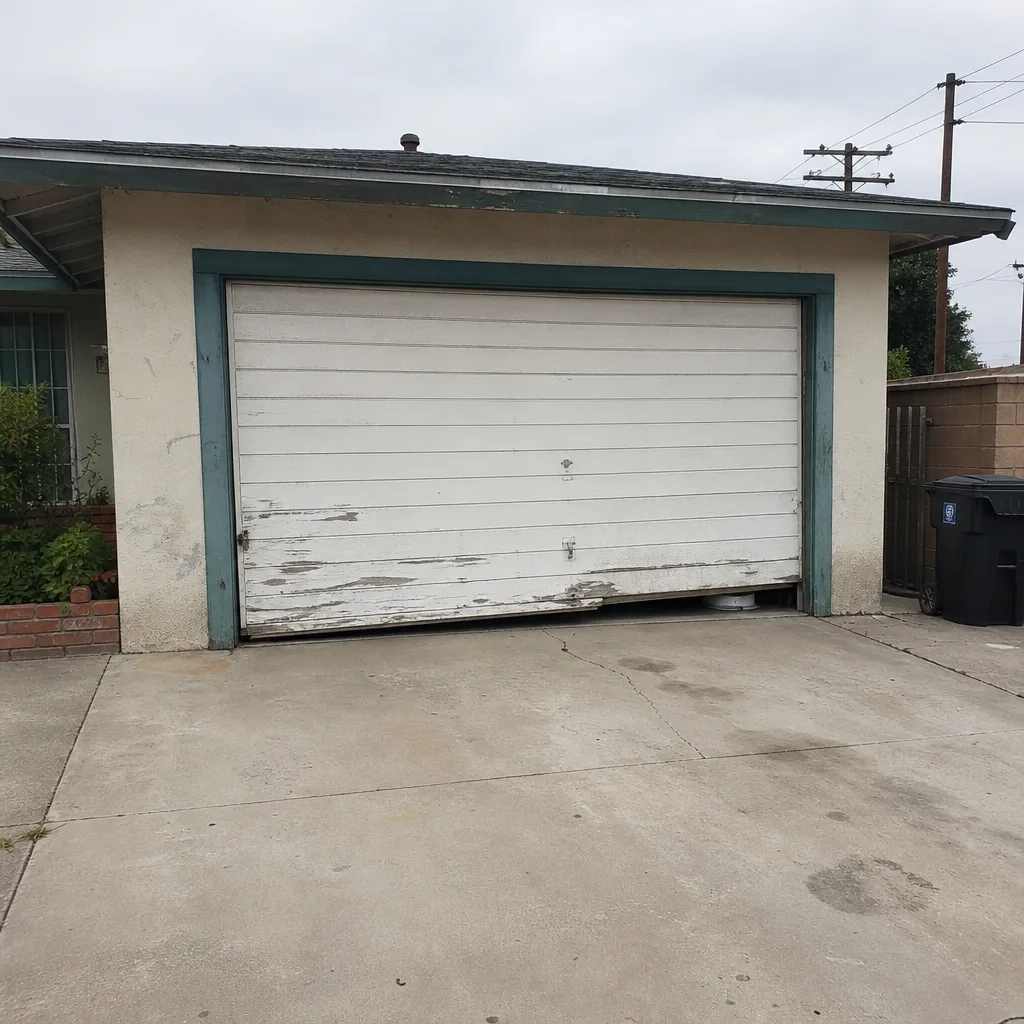 Before
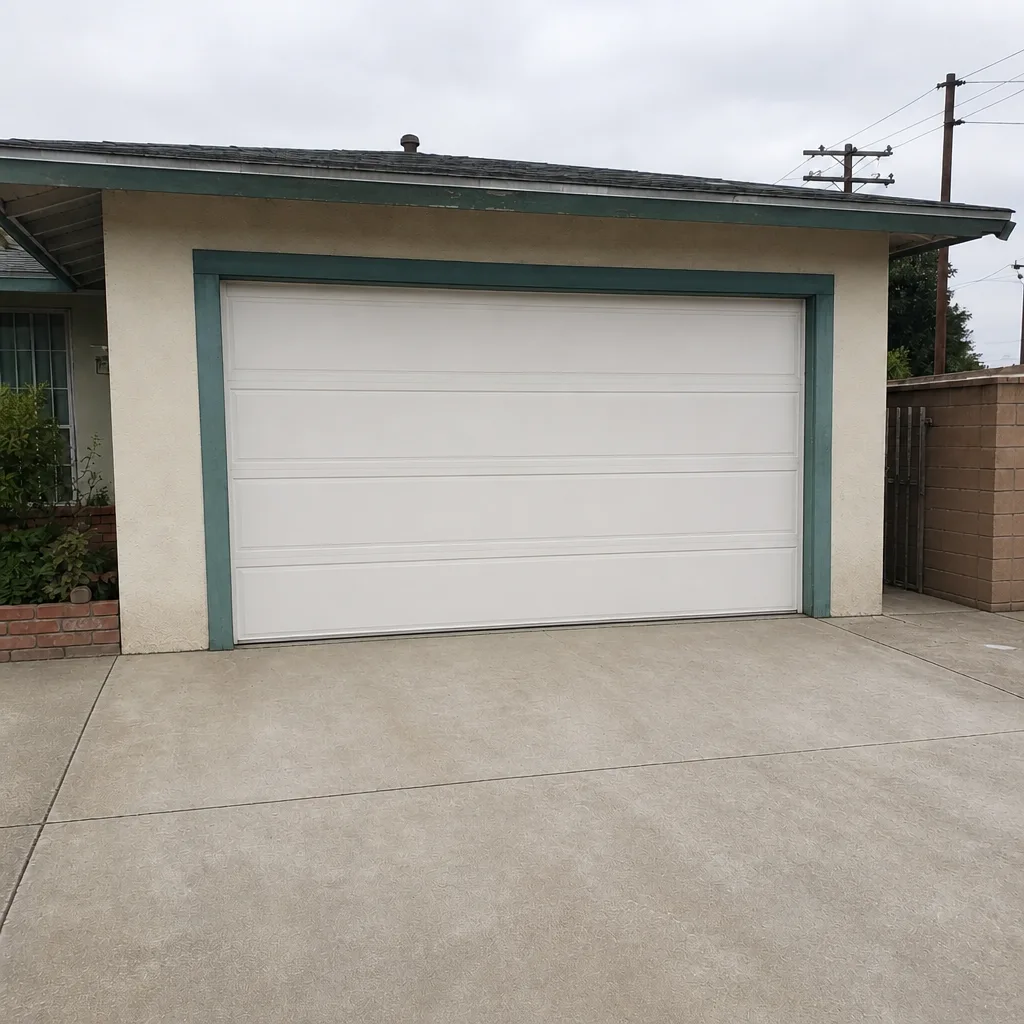 After