
Last updated November 4, 2026
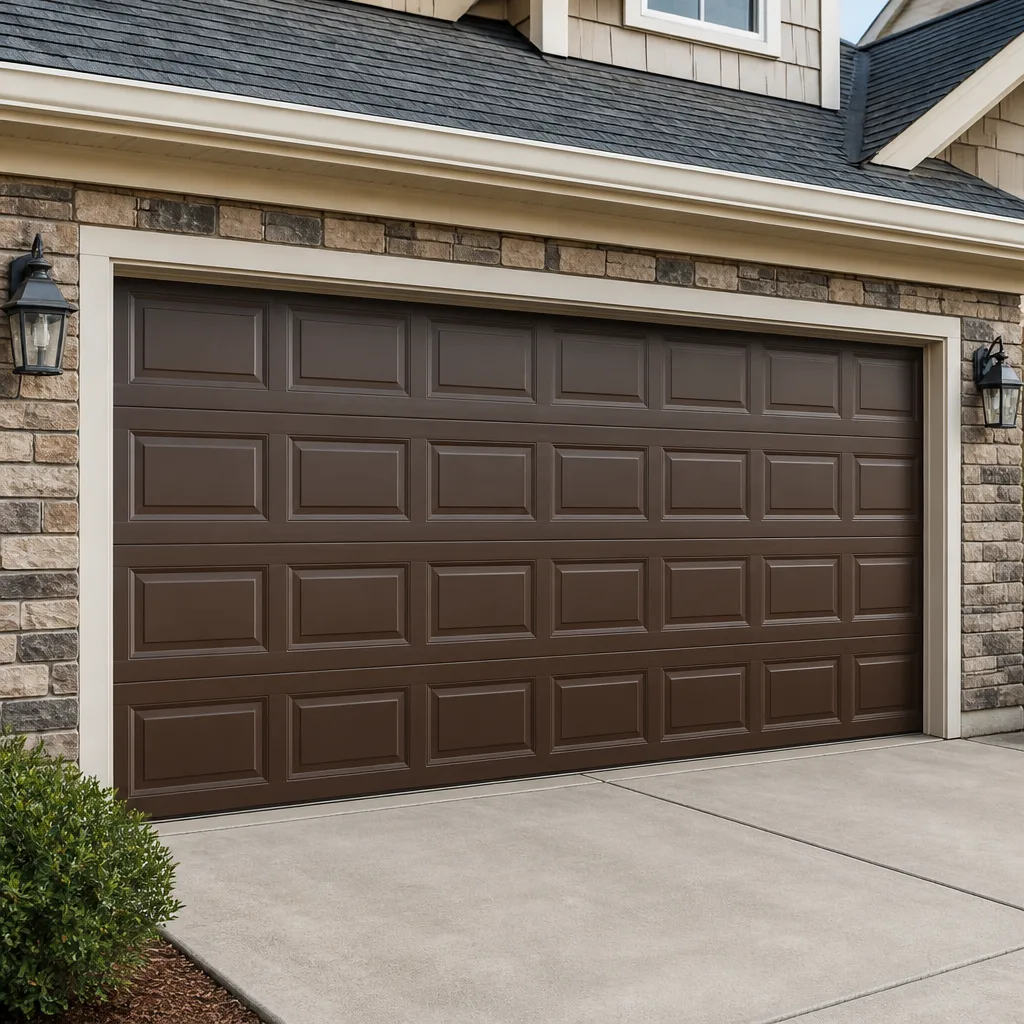 Raised-panel steel
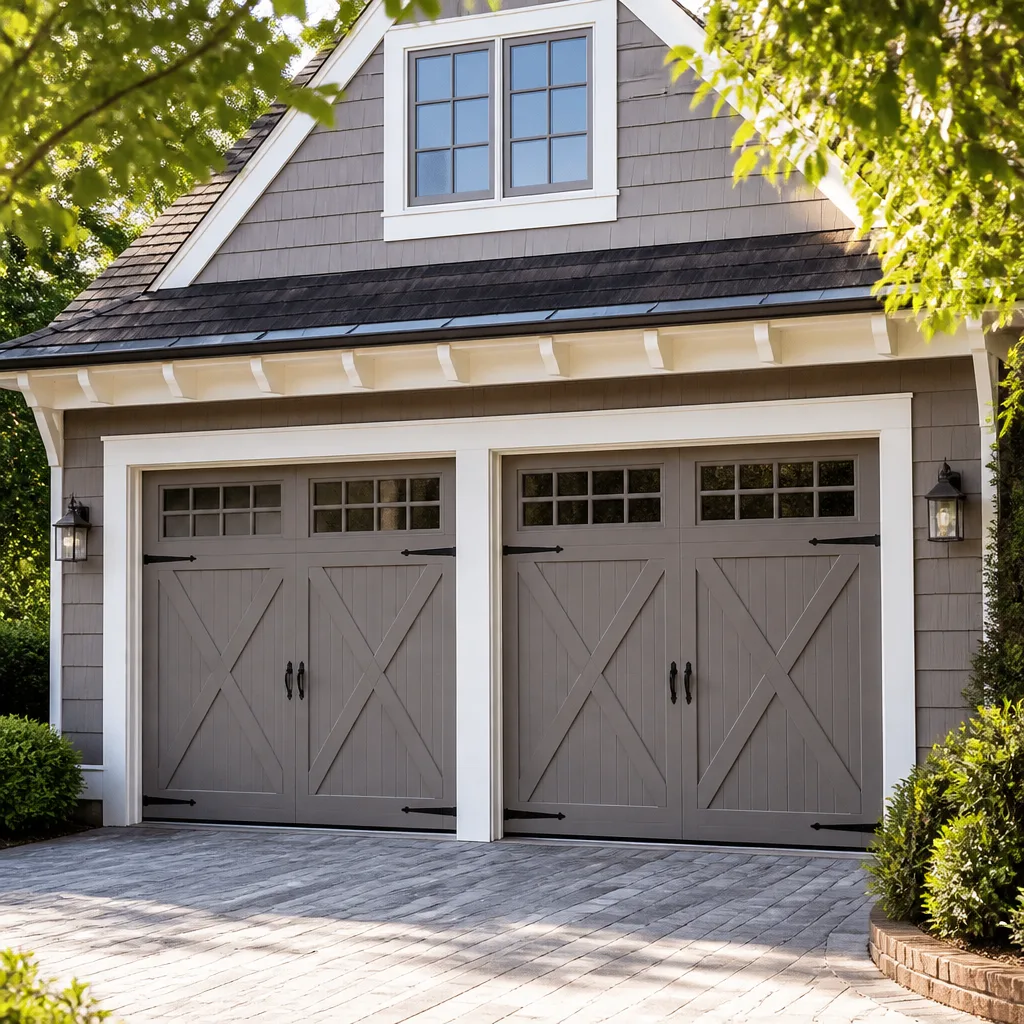 Carriage house
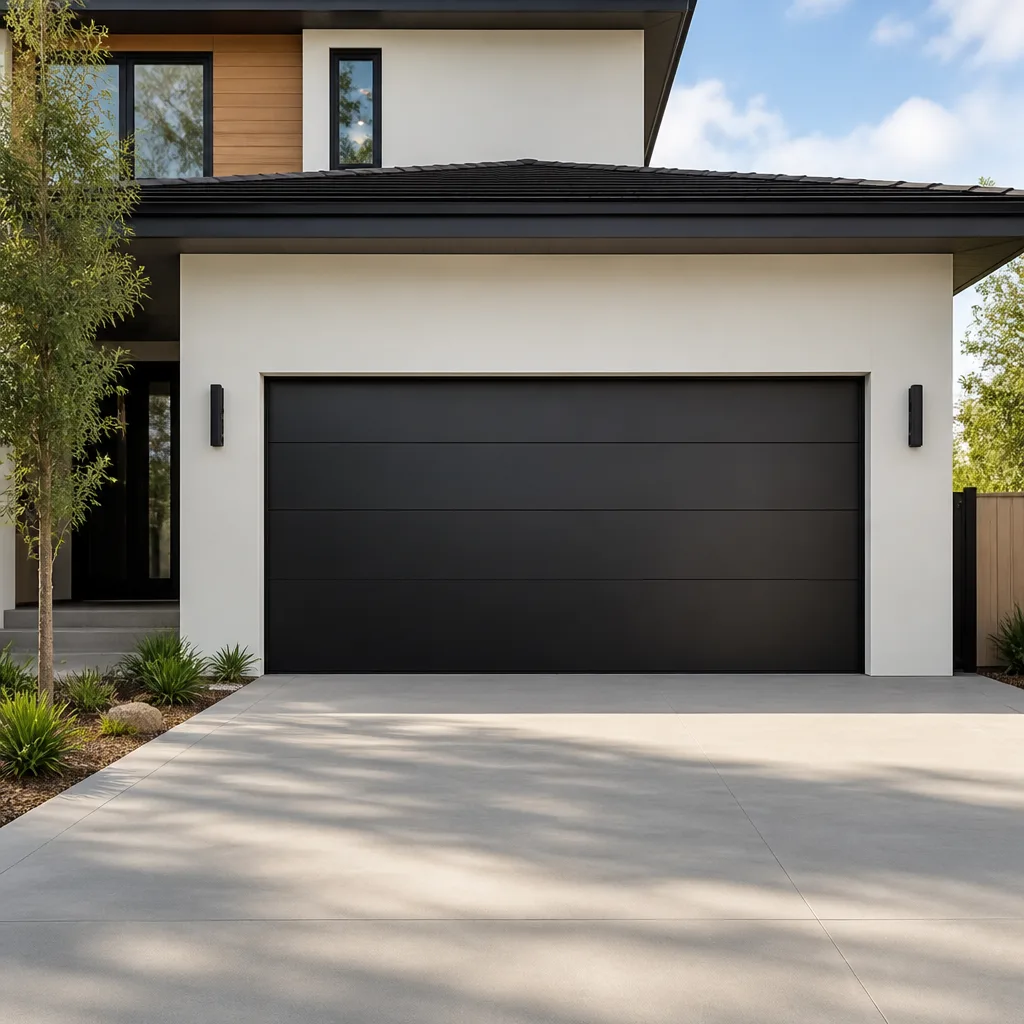 Modern flush
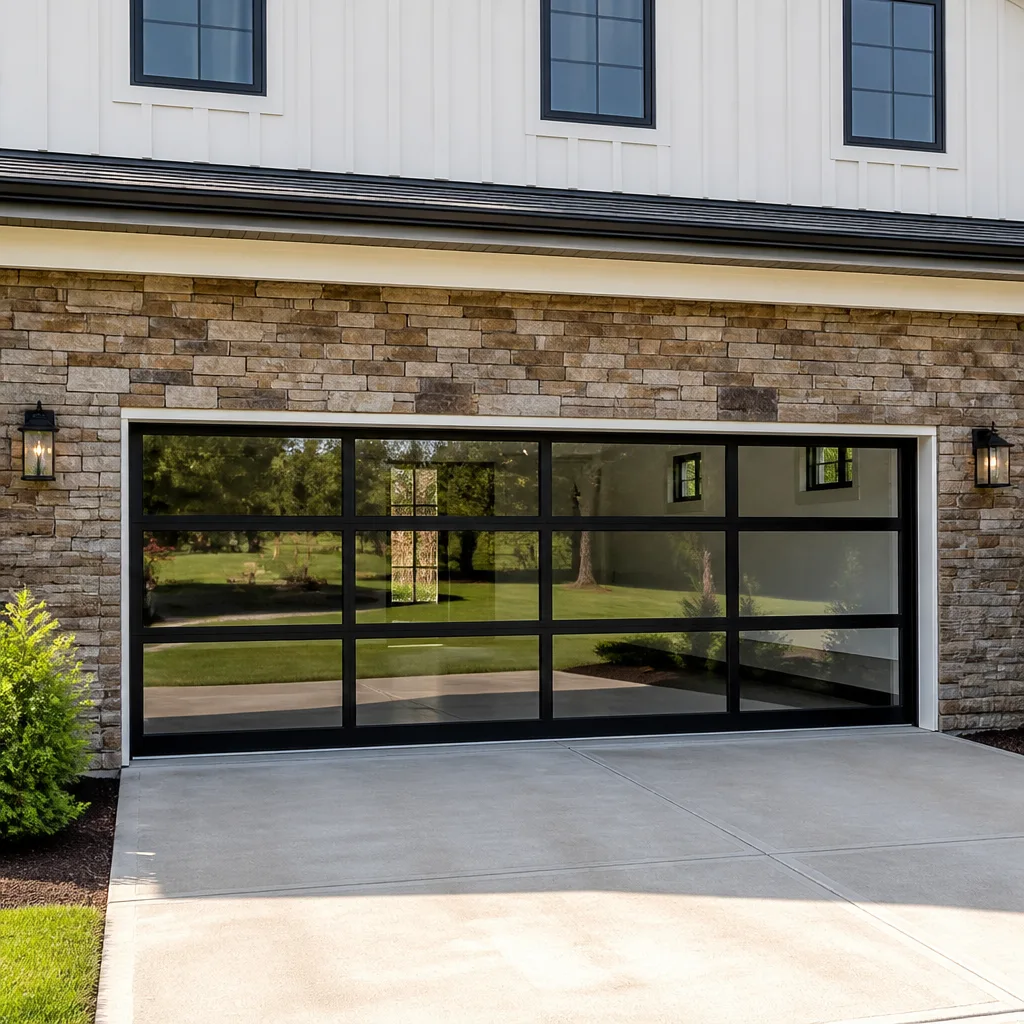 Full-view glass
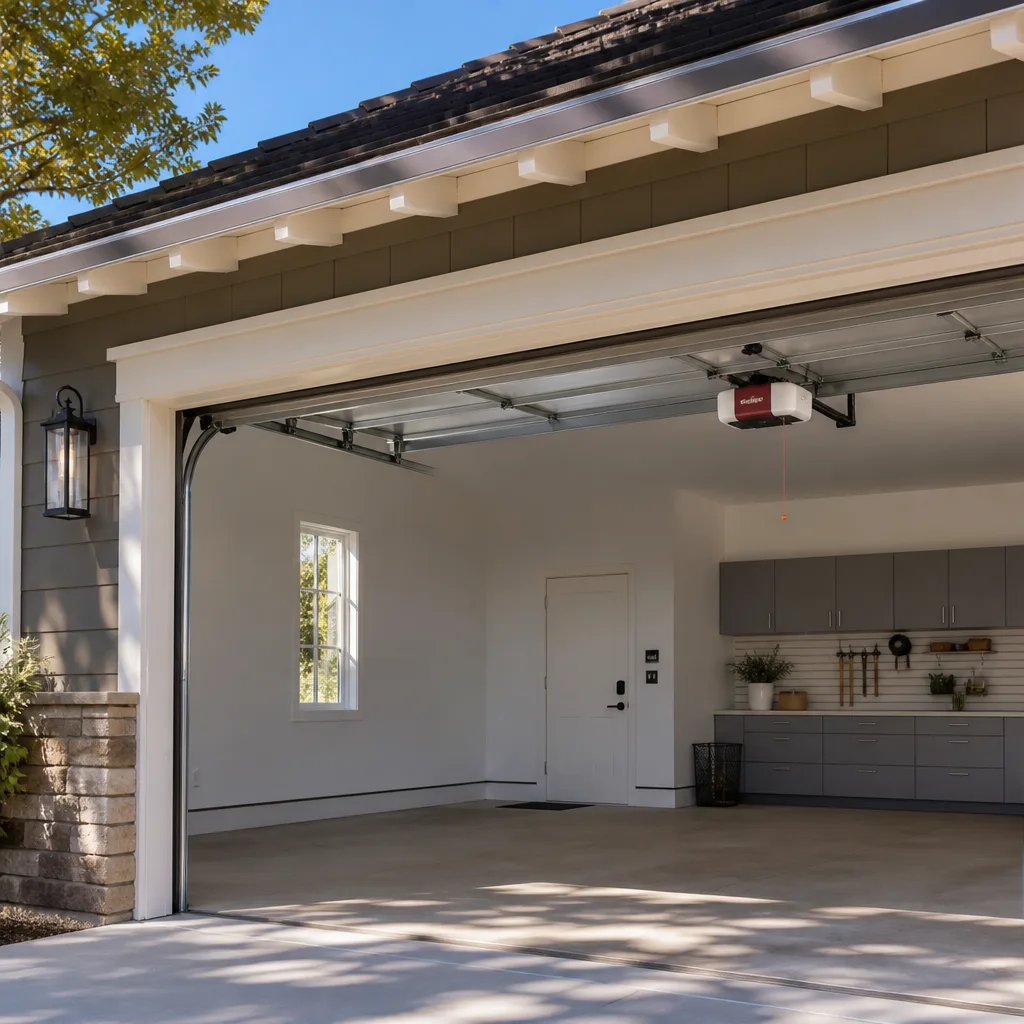 LiftMaster openers
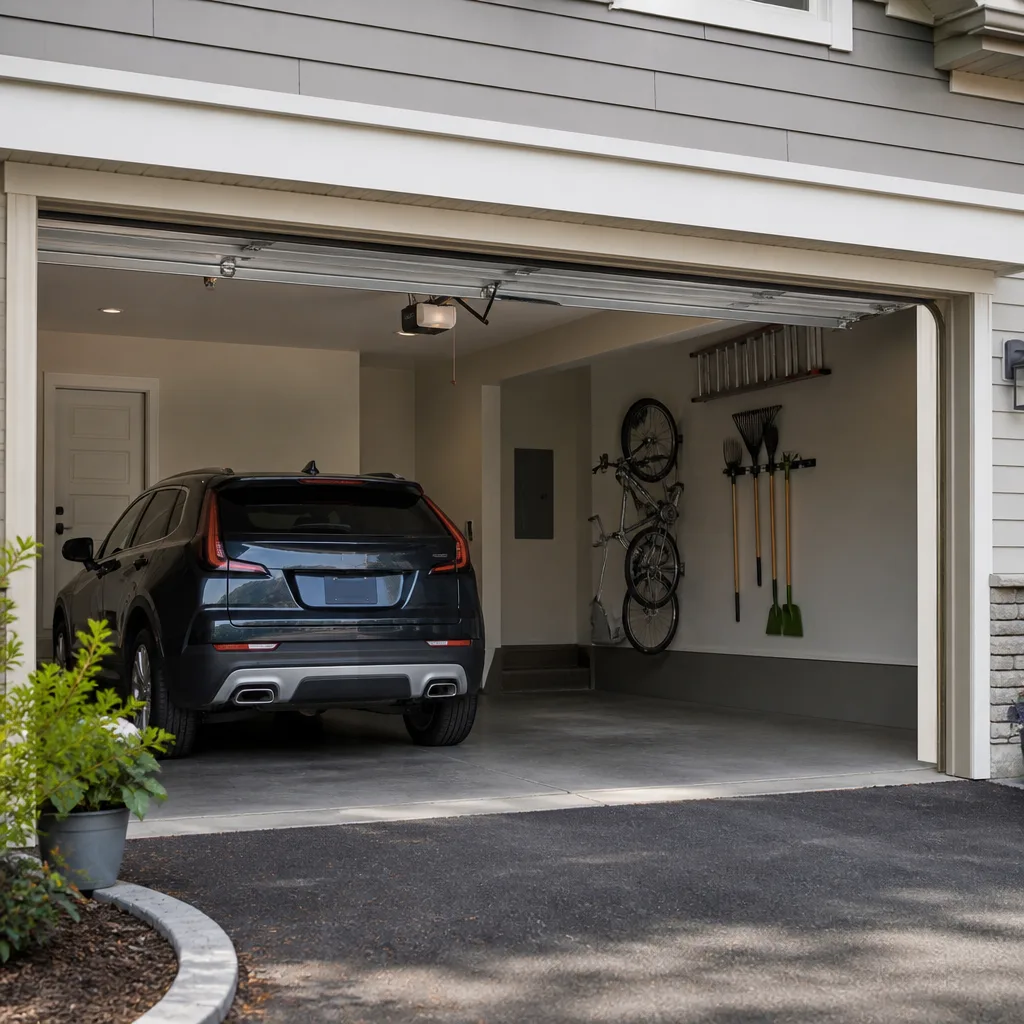 Chamberlain openers
Full 25-point door and opener safety check with every visit - springs, cables, rollers, tracks, and your LiftMaster or Chamberlain opener included
You get a price before we start. It does not change when the truck arrives.
Get your free estimateGarage Door Repair Maintenance Checklist for Pico Rivera Homeowners
Ask any homeowner in Pico Rivera what finally broke their garage door, and they’ll usually point to a spring snapping or an opener grinding to a halt. But here’s what we notice on service calls across the city: the breakdown usually started months earlier with something small and silent. A roller with dried-out bearings. A cable losing a few strands inside the track. The real maintenance checklist isn’t the longest one. It’s the one that catches the failures Pico Rivera’s dry, dusty climate actually causes, in the order they actually happen. This guide ranks what to check and when, so you spend five minutes a month instead of an afternoon waiting for a repair truck.
Quick Answer
A garage door maintenance checklist for Pico Rivera homeowners has two tiers: a five-minute monthly visual and lubrication pass on rollers, hinges, tracks, and the auto-reverse sensor, plus a once-a-year professional inspection of spring tension, cable wear, opener gear condition, and door balance. In Pico Rivera’s arid climate, the highest-priority item is lubricating rollers and hinges with a dry-friendly product before bearings seize. Most other components need watching, not adjusting, and anything touching spring tension is a technician’s job.
Styles & brands we work with
- Raised-panel steel
- Carriage house
- Modern flush
- Full-view glass
- LiftMaster openers
- Chamberlain openers
Table of Contents
- The Monthly Five-Minute Check
- Lubrication That Survives Pico Rivera’s Dry Heat
- Spring Inspection: Look, Listen, Don’t Touch
- The Cable Check Most Homeowners Skip
- The Balance Test That Reveals Spring Wear Early
- Opener Safety and Force Settings
- The Annual Professional Inspection
- Common Mistakes to Avoid
The Monthly Five-Minute Check
You don’t need a toolbox or a ladder for most of this. You need your eyes, your ears, and about five minutes while the door cycles once. Stand inside the garage and run the door up, then down. Watch the rollers. Listen to the opener. Look at the track bolts. A door that’s about to give you trouble in Pico Rivera almost always gives a warning first.
Here’s the monthly pass, in order of importance:
- Run the door and listen for new sounds. A smooth rumble is fine. A metallic groan, a squeak that wasn’t there last month, or a clicking sound near the opener rail means something is dry or wearing. Note it and investigate that specific area.
- Watch the door’s motion from the side. It should rise evenly without hesitating, jerking, or tilting to one side. A slight shudder halfway up almost always points to a roller binding or a track issue, and that’s cheaper to address now than after it throws the door off-line.
- Check the lift cables visually while the door is down. On each side, the cable should look like a tight, clean spiral around the drum, with no gaps and no fuzzy edges. We cover this in depth below because it’s the check most Pico Rivera homeowners skip.
- Look at the bottom weatherstrip. It should sit flush against the concrete. Pico Rivera’s dust and summer heat dry this rubber strip out faster than people expect. A cracked strip won’t break your door, but it lets in dust, bugs, and hot air.
- Test the auto-reverse by hand. With the door open, place a roll of paper towels flat on the ground where the door closes. Close the door. It should reverse within two seconds of touching the roll. If it doesn’t, stop using the opener and call a garage door opener repair technician. This is a safety function, not a convenience.
The monthly check shouldn’t become a project. If you do it on the first weekend of each month while bringing in groceries, you’ll catch most problems before they strand a car in the driveway.
Lubrication That Survives Pico Rivera’s Dry Heat
Lubrication is the single most effective maintenance step in Pico Rivera, and it’s also the one people do wrong most often. The city’s climate is dry and often dusty, which means two things: moving parts lose their factory lubrication faster than in humid coastal areas, and the dust that settles on exposed grease turns it into a grinding paste. What you lubricate, what you use, and what you leave alone all matter.
What to lubricate every three to four months:
- Roller bearings: Focus on the small metal wheels that ride inside the vertical and horizontal tracks. Each roller has a bearing at its center. A drop of oil at the bearing reduces the friction that eventually seizes the roller and causes that scraping, dragging sound.
- Hinge pins: The flat hinges that connect door panels have metal pins. Oil the pin where the two halves meet. Do all of them, not just the ones that squeak. A hinge that hasn’t failed yet is a hinge that’s still worth protecting.
- Spring coils (sparingly): A light coat of oil on torsion spring coils prevents surface rust, which in Pico Rivera’s low humidity is less of a rust problem and more of a friction problem. A dry coil rubs against its neighbor as the spring winds and unwinds. Oil quiets that and lets the spring work evenly.
- Opener rail: For chain-drive openers, a light grease on the chain keeps it from wearing the sprocket. For screw-drive models, use a grease made for that system. For belt-drive openers, usually nothing is needed.
What to use, and what not to use:
Use a lithium-based white grease or a purpose-made garage door lubricant for hinges, springs, and the opener rail. Use light machine oil for roller bearings. Do not use WD-40 as a primary lubricant on garage door parts. It’s a solvent that cleans and then evaporates, leaving the part drier than before. It has its place for cleaning, but it’s not a long-term lubricant for a door that cycles twice a day.
What never to lubricate:
Do not put any lubricant inside the tracks. The rollers run on the track surfaces, and oil or grease there just collects dust and creates a sticky film. If the tracks look dirty, wipe them with a dry rag. If a track is visibly bent or has deep gouges, lubrication won’t help and the track needs a professional look.
Do not touch the springs’ torsion system or try to lubricate the center bracket’s bearings unless you know exactly which part moves. The springs are under extreme tension, and that energy doesn’t care how careful you’re being.
Spring Inspection: Look, Listen, Don’t Touch
Garage door springs are the most dangerous part of the system, full stop. The torsion springs above the door hold enough stored energy to lift hundreds of pounds, and that energy releases instantly if a spring breaks or a winding cone lets go. The maintenance rule in our trade is simple: homeowners inspect springs visually, and technicians adjust them. There’s no safe middle ground.
What a visual check looks like:
- Stand inside the garage with the door closed.
- Look at the torsion spring above the center of the door. It should be one continuous coil with no visible gap in the middle. A gap means the spring has snapped into two pieces, even if the door still opens with the opener doing extra work.
- Look for rust on the coil surface. Light surface rust is cosmetic. Deep pitting or flaking means the metal has weakened and the spring is approaching the end of its life.
- Listen while the door moves. A spring that clicks or pops as it winds is telling you the coils are binding or the spring is shifting on its shaft.
- Check both extension springs if your door has the older two-spring system on the sides. Each spring should stretch evenly. A spring that’s sagging or stretched more than its partner is about to fail.
When to call instead of looking closer:
If you see a gap in a torsion spring, call a technician. If the door feels unusually heavy when you pull the emergency release handle, that’s a spring problem, not an opener problem. If you hear a sound like a gunshot from the garage followed by a door that won’t open, you’ve had a spring break, and the repair involves winding tools and controlled tension release. In our experience, the homeowners in Pico Rivera who catch a worn spring before it breaks are the ones who check for that center gap once a month. It takes ten seconds.
We work on springs across every major door brand, from Sherwood Garage Door Repair service calls on Clopay and Amarr doors to older Wayne Dalton and Craftsman setups. The inspection is the same across all of them: eyes and ears, never hands.
The Cable Check Most Homeowners Skip
Garage door cables are the least understood part of a garage door, and in Pico Rivera service calls, they’re one of the most common causes of a door that suddenly won’t open. The cables do the actual lifting of the door’s weight by transferring the spring’s tension to the bottom brackets. When a cable frays and snaps, the door typically drops on one side, and the repair often involves a bent panel or a thrown track in addition to the cable itself.
The early signs you can catch:
- Fuzzy edges on the cable. A healthy cable looks smooth, like a tightly wound wire rope. When individual strands start breaking, the cable develops a fuzzy or bristly texture. That’s the first visible warning, and it usually appears weeks or months before the cable snaps.
- Gaps in the spiral around the drum. With the door down, the cable should wrap tightly and evenly around the drum above each side of the door. If you see loose coils, overlapping wraps, or a gap where the cable should be touching metal, the cable has slipped or stretched.
- Rust or discoloration. Even in Pico Rivera’s low humidity, cables can develop surface rust from condensation cycles or from age. Deep rust weakens the individual wires and shortens the cable’s life.
- A door that looks higher on one side. When the door is closed, the top panel should sit parallel to the floor. If one side is a half inch higher, that side’s cable may be stretching, and the uneven load is accelerating wear on the springs and hinges.
Here’s the important part: cable replacement is not a DIY job. The cable is under the same spring tension that powers the door, and removing a cable without properly releasing that tension is extremely dangerous. If you see fraying, call a garage door repair technician and describe what you saw. A cable replacement is a straightforward fix when caught early and a much bigger job when the door has already come down on the car bumper.
The Balance Test That Reveals Spring Wear Early
Springs don’t just break all at once. They wear down gradually, losing a little tension with every cycle, until one day they can’t hold the door’s weight anymore. The balance test is how you feel that wear before it becomes a breakdown.
Here’s the test:
- Close the door completely.
- Pull the emergency release handle (the red cord hanging from the opener rail). This disconnects the opener from the door.
- Lift the door manually by the handle or the bottom edge. It should rise smoothly with moderate effort and stay where you leave it.
- Lift the door to about waist height and let go. A properly balanced door stays put or moves very slightly. If it drops quickly, the springs are too weak for the door’s weight. If it shoots upward, the springs are overwound.
- Reconnect the opener by pulling the release handle again and running the opener until the carriage re-engages.
If the door is heavy or drops at waist height, that’s your early warning that a spring is losing tension. The opener will compensate by working harder, which shortens the opener motor’s life and eventually burns out the gear or logic board. A professional can re-tension or replace the spring before the opener takes the fall with it.
This test is also the quickest way to tell whether an opener problem is really an opener problem. We’ll arrive at a Pico Rivera home for what sounds like a dead LiftMaster or Chamberlain opener and find a door that weighs twice what it should because the springs are shot. The opener wasn’t weak. It was exhausted. Replacing the springs fixes the underlying issue, and in many cases the opener has life left in it.
Opener Safety and Force Settings
Your garage door opener has two jobs: move the door and keep people safe while it does. Most homeowners treat it only as a motor, and that’s how safety features drift out of adjustment for years without anyone noticing.
The two safety systems you check monthly:
- The auto-reverse sensor. Two small photo-eye sensors sit on either side of the door opening, about six inches off the ground. They project an invisible beam. If anything interrupts that beam while the door is closing, the opener reverses. Test this with the paper towel roll method described in the monthly check. If the door touches the roll and keeps pressing down, clean the sensor lenses with a dry cloth and re-aim them until the small indicator lights glow steadily. If it still doesn’t reverse, call for opener service immediately.
- The force setting. Every opener has an internal adjustment for how much force it uses to close the door. If this is set too high, the door will continue pressing down even on a child or pet. You can test the sensitivity by holding a hand flat against the bottom edge as the door nears the floor. It should reverse with light pressure. If it fights you, the force setting is too high.
Manufacturers set force limits conservatively at the factory, but installers sometimes raise the limit to close a door that’s slightly out of balance. That’s the wrong fix. It converts a safety system into a crushing hazard, all to avoid addressing a spring or track issue. We service all three major opener brands, LiftMaster, Chamberlain, and Genie, and across every one, the fix for a door that struggles to close is correcting the door’s mechanical issue, not cranking the force dial.
Modern smart-capable openers from LiftMaster and Chamberlain with myQ integration also need occasional Wi-Fi and firmware check-ins, just like any connected device. If the app stops responding but the wall button still works, the problem is usually connectivity, not the opener motor. Legacy Craftsman systems, which we still see regularly across Los Angeles County, are simpler electrically and respond well to routine gear and sprocket maintenance.
The Annual Professional Inspection
The monthly pass catches lubrication failures, sensor drift, and visible cable wear. The annual inspection catches what you can’t safely see or assess from the ground. Once a year, have a technician go over the entire system. Here’s what that inspection covers and why each item matters in Pico Rivera.
Spring balance and cycle life. A technician checks spring tension with the door disconnected and compares the door’s weight to the spring’s rated cycle life. In a city like Pico Rivera where most homes use the garage as the primary entrance, a door cycles four to six times a day or more, which means a standard 10,000-cycle spring set wears out in roughly five to seven years. The inspection tells you where you are on that curve before the spring tells you itself.
Cable and drum condition. The technician can safely inspect cable wear along the full length, including the portion hidden inside the drum, and check that both drums are winding evenly.
Opener gear and sprocket wear. Chain-drive openers use a plastic or nylon gear that strips over time. The technician opens the opener cover and checks for metal shavings or worn teeth. This is a part that fails slowly and is cheap to replace when caught early.
Track alignment and mounting bolts. Pico Rivera sits in earthquake country, and even minor seismic activity can shift track brackets or loosen lag bolts where the track mounts to the framing. The technician checks for lateral play and re-torques the hardware.
Roller and hinge replacement assessment. Nylon rollers with sealed bearings last longer than steel rollers, but they don’t last forever. The inspection identifies rollers that are near the end of their service life and recommends replacement before the bearing seizes and grinds a flat spot.
We recommend an annual inspection regardless of the door brand, whether you have a Clopay steel door, an Amarr wood-look composite, a Wayne Dalton sectional, or an older Craftsman setup. The failure patterns are similar across brands, and catching them on the same schedule keeps the whole system honest.
Common Mistakes to Avoid
- Lubricating the tracks. Garage door tracks are not sliding surfaces that need oil. Grease in the track collects dust and creates a sticky mess that actually makes the door work harder. Wipe tracks clean and keep lubricant on the rollers and hinges instead.
- Using the wrong lubricant. WD-40 and similar penetrating sprays are cleaners, not long-term lubricants. A lithium grease or dedicated garage door spray lasts months in Pico Rivera’s dry air. A solvent lasts about two weeks.
- Adjusting spring tension yourself. This is the one mistake we can’t talk people out of strongly enough. The winding cone on a torsion spring holds lethal energy. No maintenance checklist should include a spring adjustment, and no homeowner should attempt one. If the door feels heavy, call a technician.
- Ignoring a sudden change in sound. A door that starts squealing, popping, or grinding didn’t suddenly get a musical personality. It’s telling you a bearing is dry, a hinge is worn, or a gear is stripping. A five-minute fix today beats a parked-car problem tomorrow.
- Raising the opener force instead of fixing the door. If the door needs more force to close than it used to, the door is the problem, not the opener’s adjustment range. Raising the force setting masks a spring or balance issue and disables a safety system at the same time.
- Testing nothing and waiting for the breakdown. The most expensive garage door repair is the one that could have been a $20 lubrication job. The monthly five-minute pass exists so you never find out about a problem at 7 a.m. with a car stuck inside.
See the difference
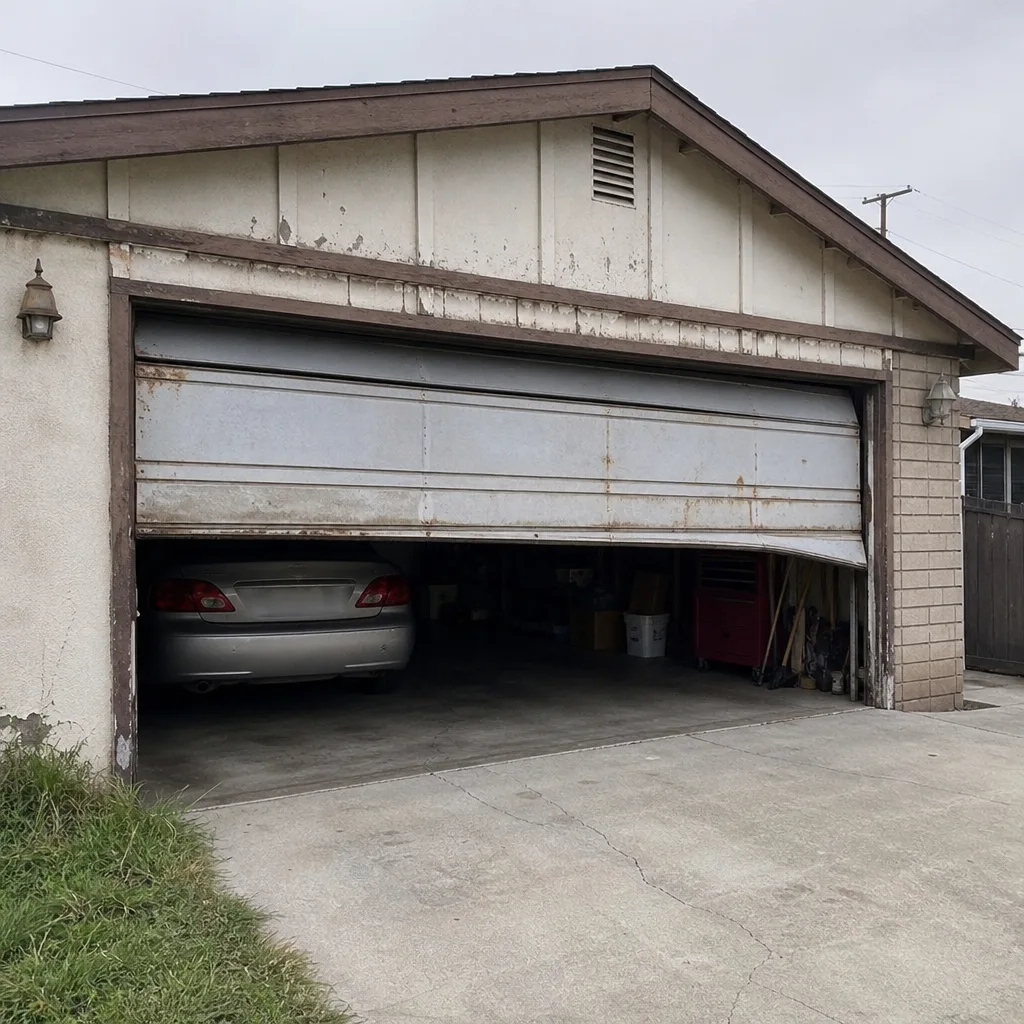 Before
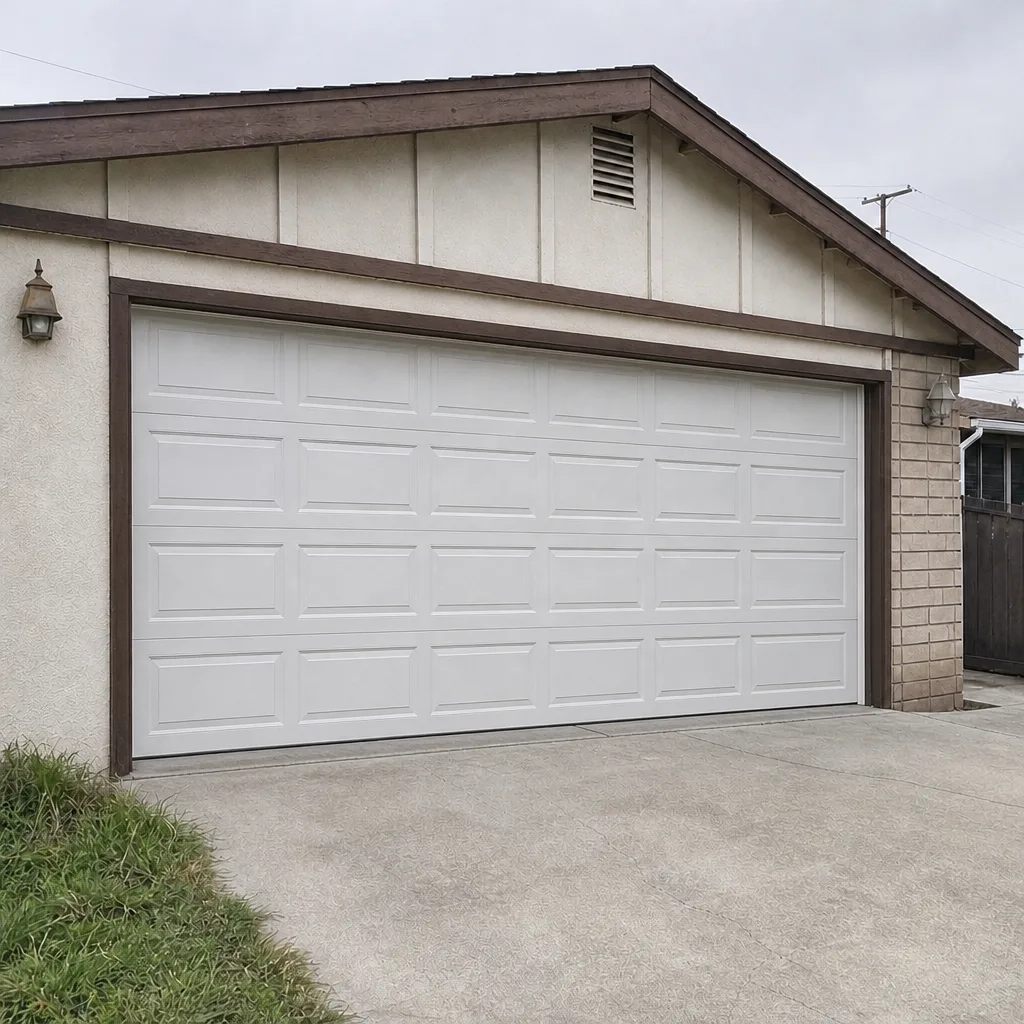 After
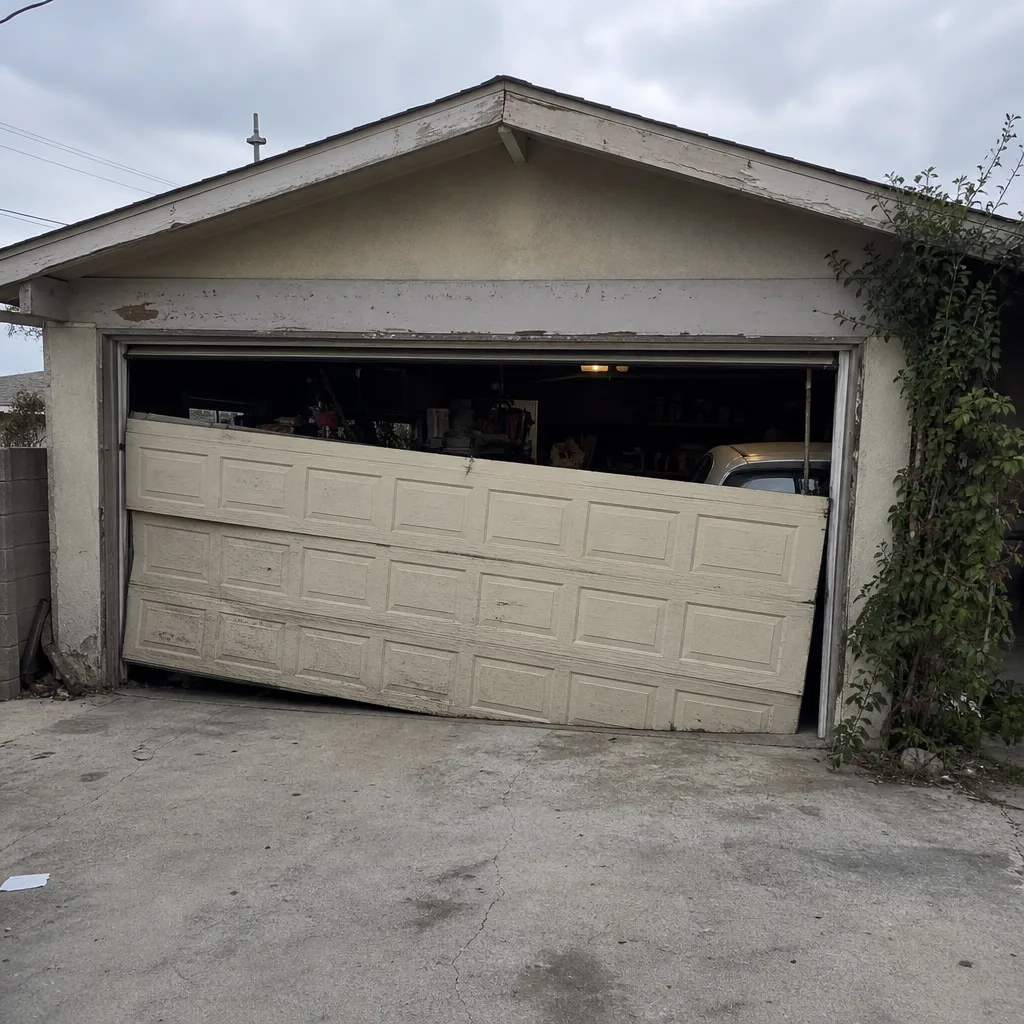 Before
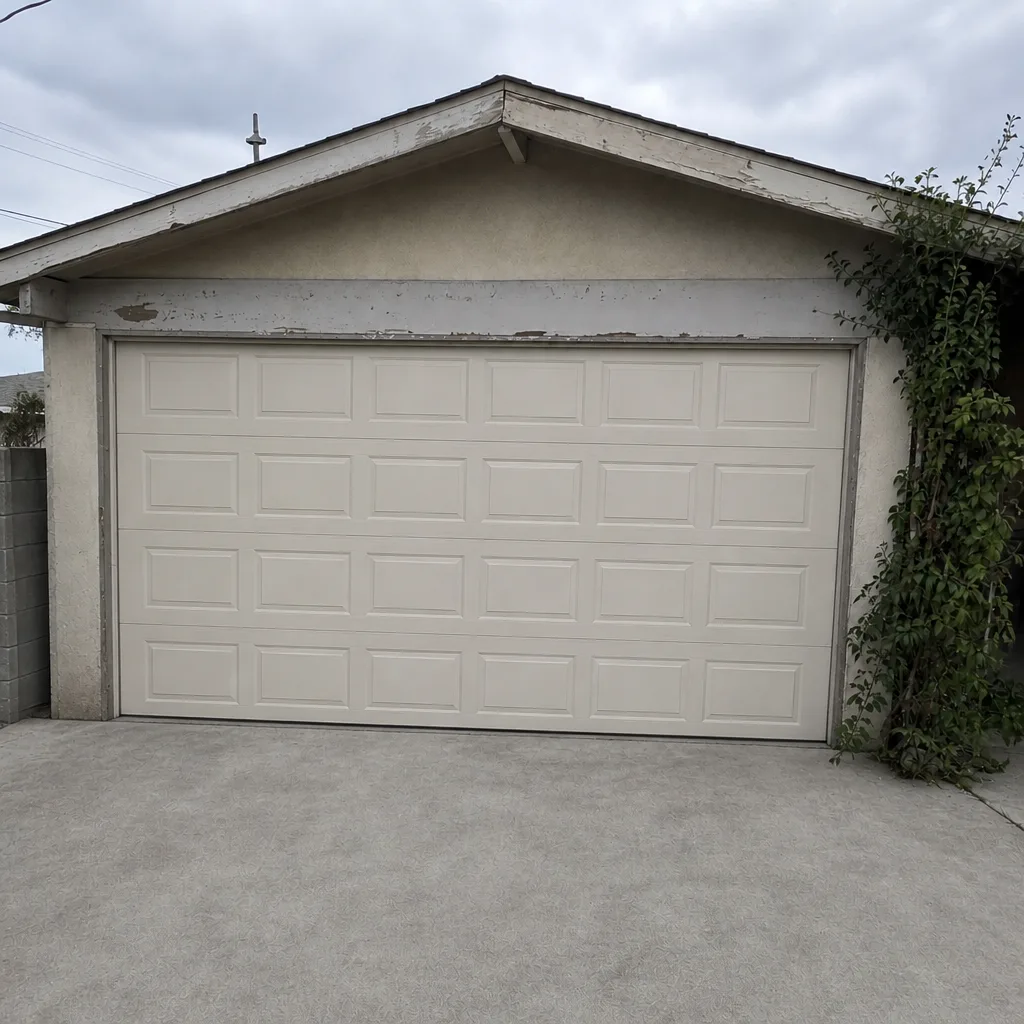 After
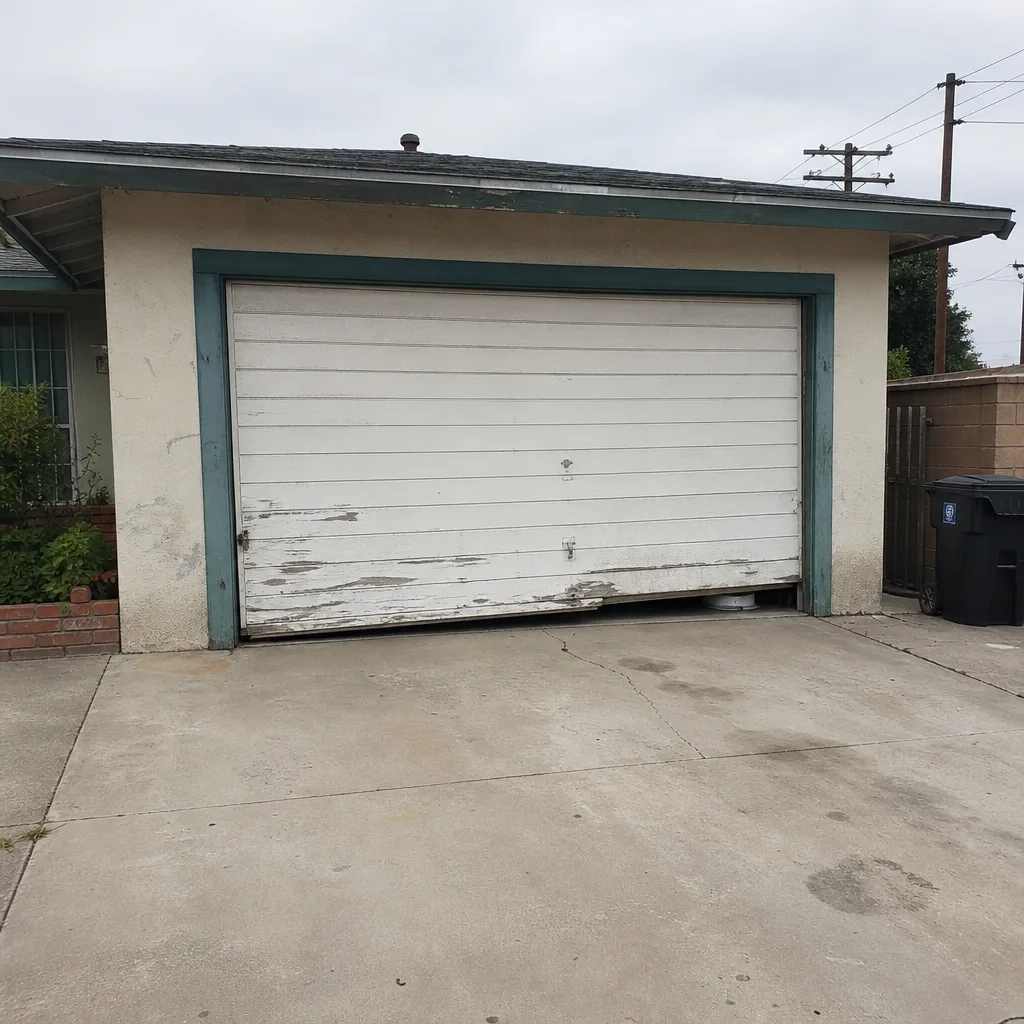 Before
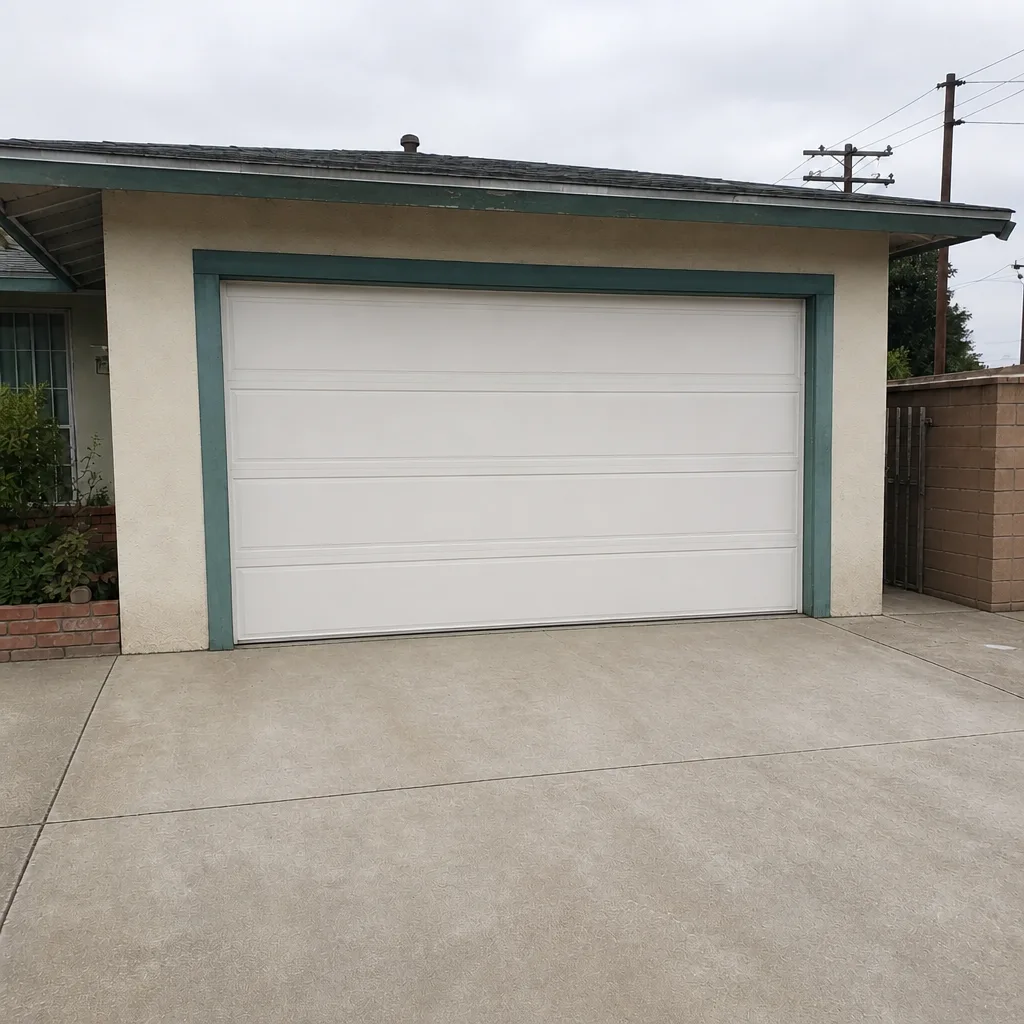 After
When to Call a Professional
Call a technician the moment you see a gap in a torsion spring, fraying on a cable, or a door that won’t reverse on obstruction. Call if the door feels heavy when disconnected from the opener, if the track is visibly bent, or if a panel is cracked badly enough to affect the door’s structure. Call if you hear grinding from the opener with the cover on, or if the door’s behavior changes overnight. The rule we tell our Pico Rivera customers: if you’re not sure, call. A professional can tell you over the phone whether it’s worth a visit. Sherwood Garage Door Repair offers free estimates in Pico Rivera, call (866) 618-5424. We answer 24/7. Fast dispatch from 7am to 7pm, Sunday through Friday.
Frequently Asked Questions
Every three to four months is right for Pico Rivera’s dry, dusty conditions. The dry air pulls lubricant out of roller bearings and hinge pins faster than coastal humidity would, and the dust that settles on exposed parts turns old grease into an abrasive. Use a lithium grease or dedicated garage door lubricant on hinges, springs, and the opener rail, and light oil on roller bearings. Never lubricate the tracks themselves.
The earliest sign is a door that feels heavy when you pull the emergency release and lift it manually. A balanced door rises with moderate effort and holds at waist height. A door that drops or fights you has weak springs. Visually, look for a gap in the torsion spring’s coil, deep rust, or a door that sits uneven when closed. If you see any of these, call (866) 618-5424 for a professional assessment, since spring work is dangerous to attempt yourself.
No. Even when the door is closed, the cables carry the full tension of the springs, and disconnecting one without winding down the spring system is extremely dangerous. Early cable wear shows as fuzzy edges or loose coils around the drum. Call a garage door repair technician when you spot it. The cable replacement is straightforward for a pro and far cheaper before a snap damages the door panel or track.
Place a roll of paper towels flat on the ground where the door closes, then close the door using the opener. It should reverse within two seconds of touching the roll. If it presses down and keeps going, clean the photo-eye sensor lenses and check that their indicator lights glow steadily. If the door still doesn’t reverse, stop using the opener and schedule a garage door opener repair, because the force setting or the sensor system needs professional attention.
Yes, in a specific way. The dry air doesn’t rust the metal, but it does dry out the grease inside sealed roller bearings faster than humid air would. Once that bearing runs dry, it generates heat and friction, and the roller either seizes or grinds a flat spot. A seized roller drags the door, which adds stress to every other component. Regular lubrication of the bearing surfaces is the best prevention in this climate.
Monthly maintenance costs essentially nothing beyond a can of lithium grease and ten minutes of your time. A professional annual inspection, including spring balance testing, cable inspection, and opener gear assessment, is priced per job based on what the inspection finds. The estimate is free, and the price is set by the written estimate before any work starts. Call (866) 618-5424 for a free estimate. We answer 24/7.
The Bottom Line
A garage door is a mechanical system, and every mechanical system has a maintenance schedule whether or not its owner knows it. In Pico Rivera, that means a five-minute monthly pass on rollers, cables, sensors, and sounds, plus a consistent lubrication routine every three to four months with products that survive the dry heat. Once a year, have a professional inspect spring balance, cable wear, opener gears, and track hardware. The door brands may differ, Clopay, Amarr, Wayne Dalton, Craftsman, the failure patterns follow the same logic. Catch the small stuff, and the big stuff never happens. If something looks wrong during any of these checks, call (866) 618-5424. We answer 24/7. Fast dispatch from 7am to 7pm, Sunday through Friday.
Written by the team at Sherwood Garage Door Repair, serving Pico Rivera since 2011.