
Last updated November 4, 2026
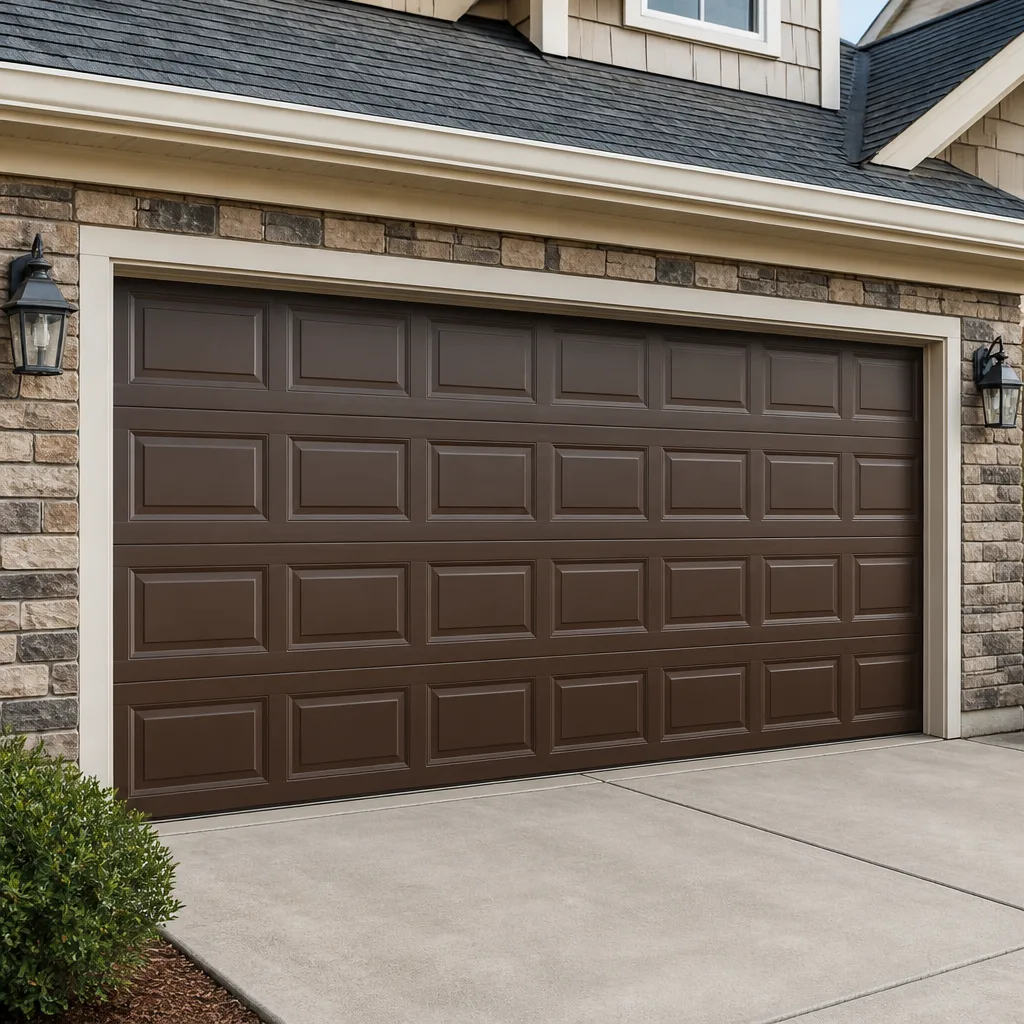 Raised-panel steel
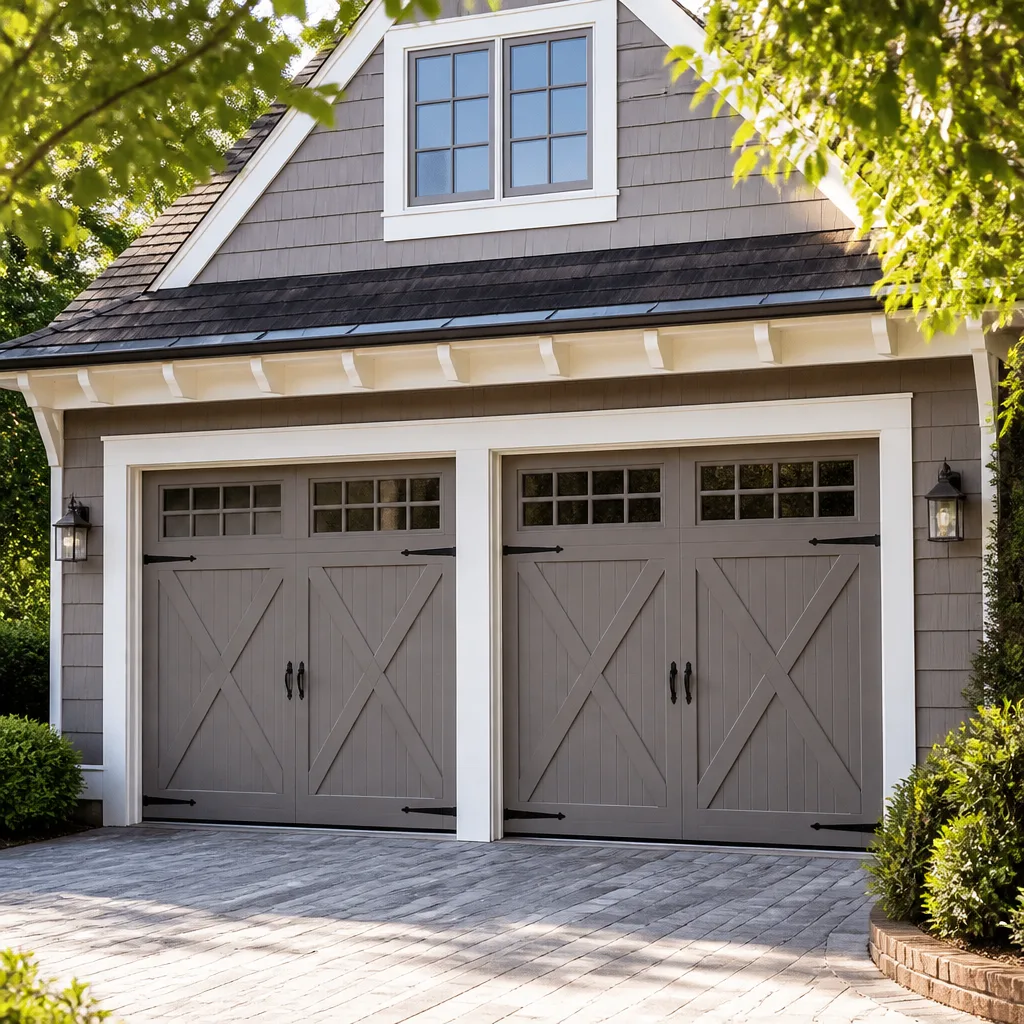 Carriage house
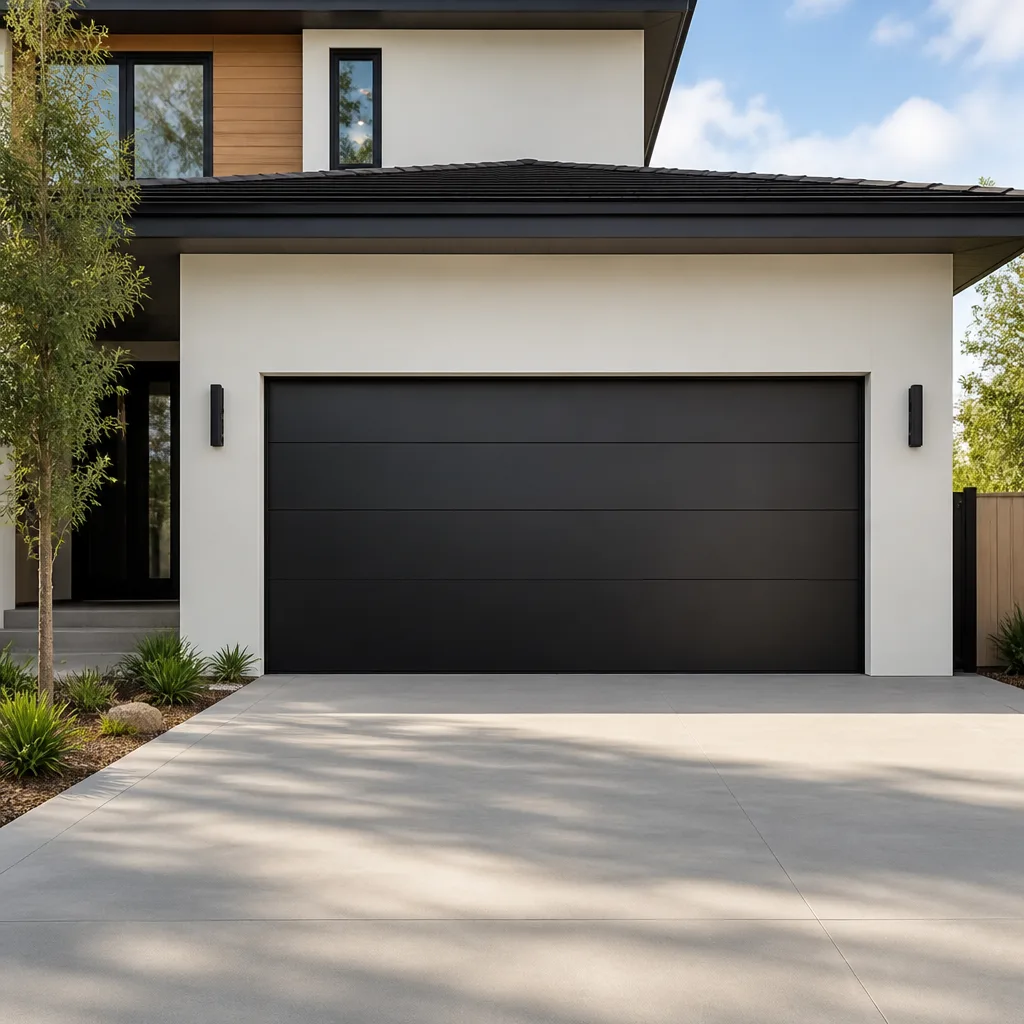 Modern flush
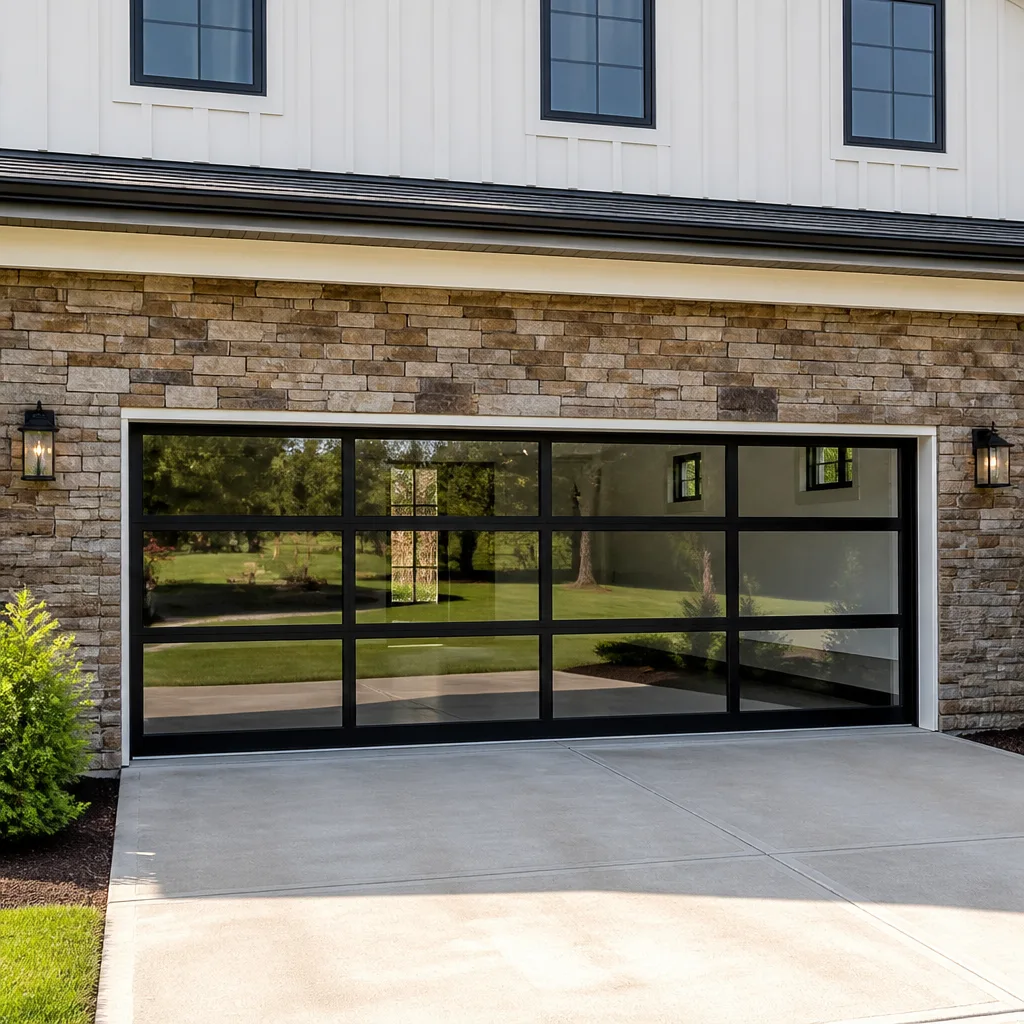 Full-view glass
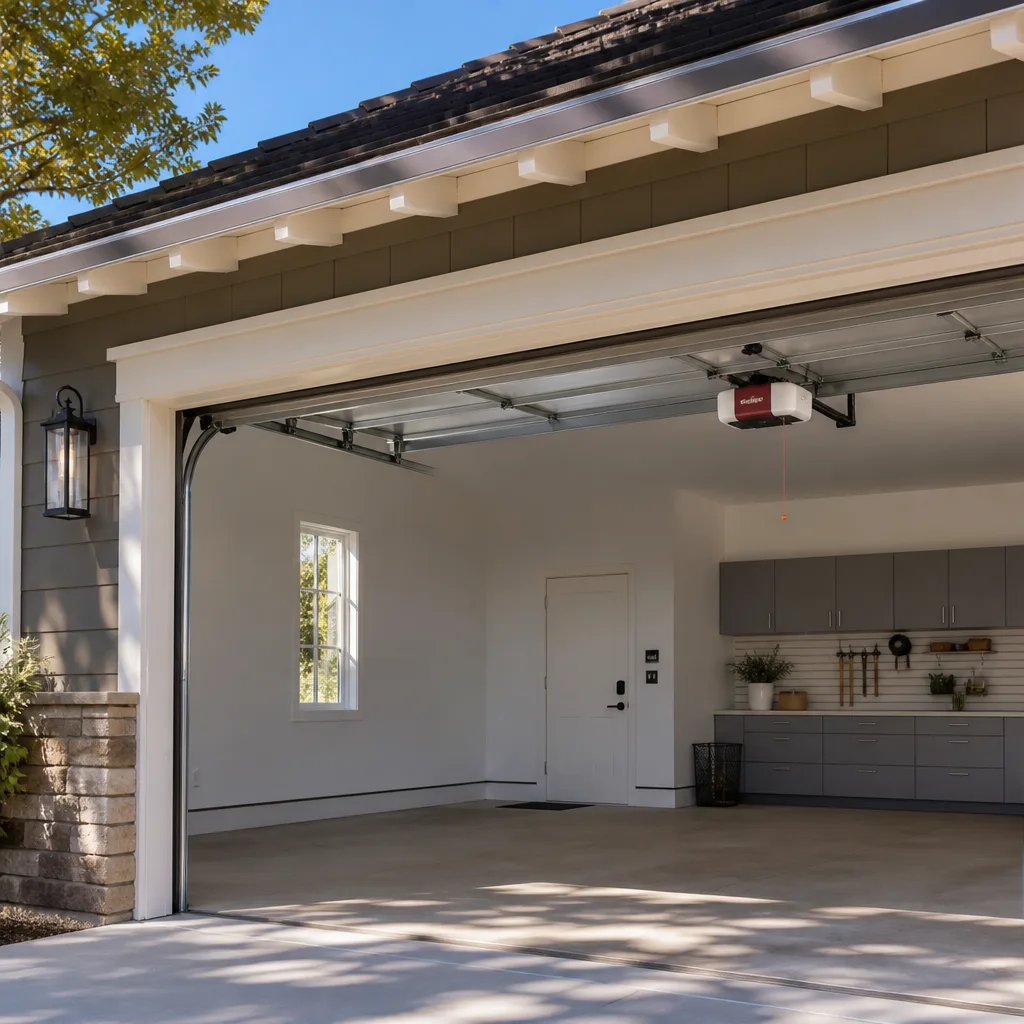 LiftMaster openers
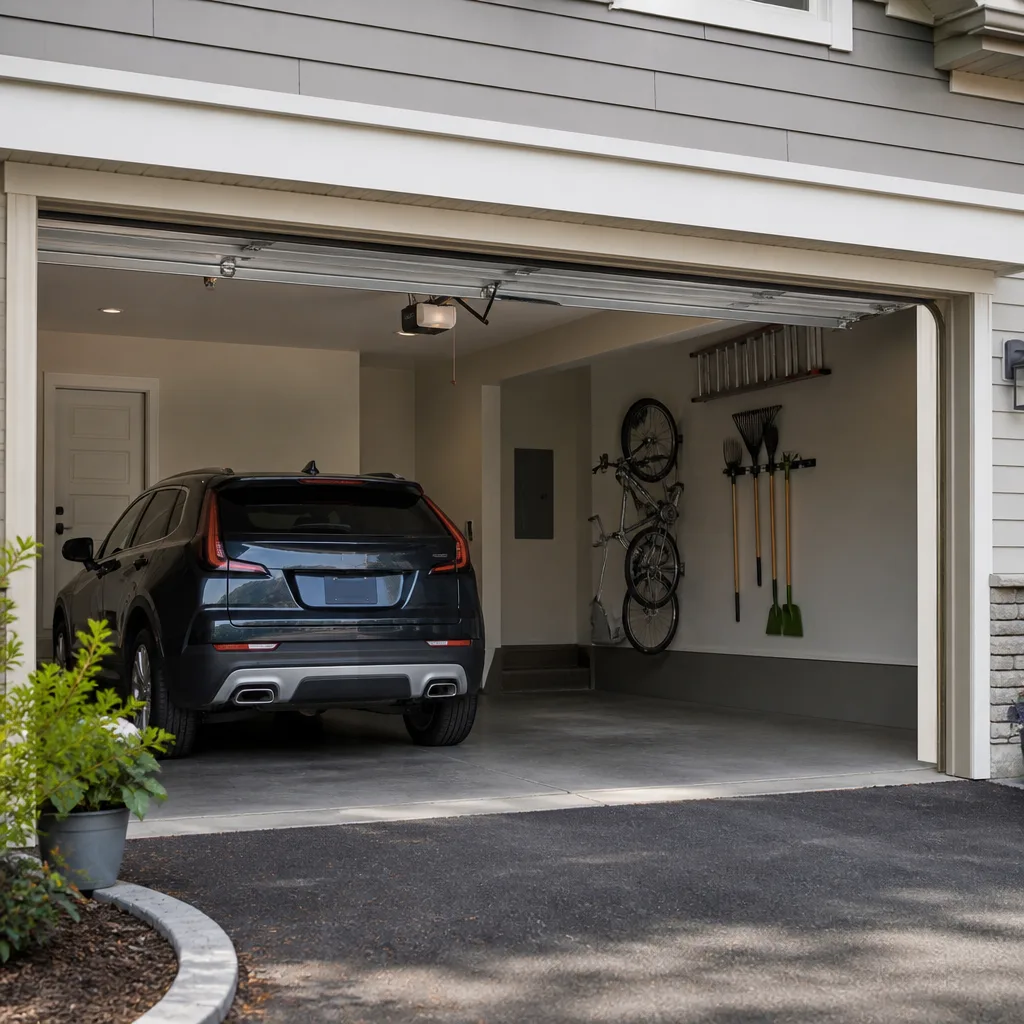 Chamberlain openers
Full 25-point door and opener safety check with every visit - springs, cables, rollers, tracks, and your LiftMaster or Chamberlain opener included
You get a price before we start. It does not change when the truck arrives.
Get your free estimateGarage Door Emergency Preparedness Guide for Pico Rivera Homes
Here’s the thing most Pico Rivera homeowners don’t realize until it’s too late: the biggest garage door emergency usually isn’t a snapped spring or a burned-out motor. It’s standing in a dark garage during a power outage, staring at a door that won’t move, and realizing you’ve never actually pulled the red emergency release cord in your life. You don’t know if the door will slam down, fly up, or refuse to budge because a spring broke months ago and you never noticed. This guide walks you through what actually happens when garage doors fail in Pico Rivera, how to prepare for both mechanical breakdowns and seismic events, and what to do in the first ten minutes of either situation.
Quick Answer
A garage door emergency in Pico Rivera generally falls into one of two categories: a mechanical failure that traps your car or leaves your home unsecured, or a seismic or power event that makes the door inoperable when you need exit access most. The most important preparation step is practicing your manual release procedure before an emergency happens. If your door won’t move, won’t close, or shows structural damage after an earthquake, stop using it and call garage door repair at (866) 618-5424 for a free estimate.
Styles & brands we work with
- Raised-panel steel
- Carriage house
- Modern flush
- Full-view glass
- LiftMaster openers
- Chamberlain openers
Table of Contents
- How to Manually Open Your Garage Door During a Power Outage
- Earthquake-Specific Risks to Pico Rivera Garage Doors
- What to Do When Your Door Won’t Close and You Need to Leave Home Secured
- How to Assess Post-Earthquake Door Damage Before Operating
- Emergency Contact Protocol: What to Have Ready When You Call
- Building a Garage Door Emergency Kit for Your Home
- Preventive Maintenance That Reduces Emergency Risk
- Common Mistakes to Avoid
How to Manually Open Your Garage Door During a Power Outage
Power outages in Pico Rivera happen for a few reasons: Santa Ana wind events that bring down lines, rolling blackouts during peak summer demand, and the occasional transformer failure. When the power goes out, your opener won’t respond to the remote, the wall button, or your phone app. The door itself still works mechanically, assuming the springs are in good shape and the tracks are aligned.
The manual release procedure is straightforward, but it’s worth practicing before you need it:
- Locate the emergency release cord. It’s the red cord hanging from the opener rail, usually about a foot from the motor unit. In most Pico Rivera garages, it hangs just above the car’s windshield when the car is parked inside.
- Pull the cord down and toward the door. This disengages the opener carriage from the door. You’ll hear a click. The door is now in manual mode.
- Lift the door by hand using the handle or the bottom rail. A balanced door should lift smoothly with moderate effort. It should stay up on its own when fully open. If it feels heavy, drops quickly, or only opens partway, stop and leave it where it is.
- To re-engage the opener, pull the cord again and run the opener once power returns. The carriage should reconnect automatically.
The most common reason people can’t manually open their garage door during an outage isn’t the outage itself. It’s that the door was already compromised: a broken torsion spring, a stretched extension spring, or a track that’s been slowly working out of alignment. The outage just exposes it. If you pull the release cord and the door won’t lift, the spring has likely failed and the full weight of the door is now resting on you. Don’t force it. Leave the door where it is and call for garage door opener repair or spring service.
Safety note: Torsion springs on sectional garage doors hold enormous tension. Never attempt to adjust, remove, or “fix” a spring yourself. A spring under tension that releases unexpectedly can cause serious injury. If the door won’t lift manually, the spring is usually the cause, and spring work requires a trained professional.
Earthquake-Specific Risks to Pico Rivera Garage Doors
Pico Rivera sits in a seismically active region, and everyone here knows the drills: secure the water heater, strap the bookcases, keep shoes by the bed. But garage doors rarely make the preparedness checklist, which is a problem because the garage door is often the heaviest moving object in the home and one of the most vulnerable during ground movement.
When the ground shakes, several things can happen to your garage door system:
- Track misalignment: Vertical and horizontal tracks can shift even a quarter-inch, which is enough to make the rollers bind. The door may still move, but it’ll grind, stick, or pop off the track entirely.
- Opener rail displacement: The rail that runs from the motor to the door can twist or bow. The opener may run but the door won’t move correctly, or the carriage may disengage.
- Spring shock: Torsion springs absorb the door’s weight constantly. A sharp jolt during shaking can cause a spring to crack or break, especially if it’s older. A broken spring means the door won’t lift manually or with the opener.
- Panel and hardware damage: Bolts can loosen, hinges can bend, and panels can shift within their frames. A door that looks fine from the outside may have loose hardware that fails the next time it cycles.
Some newer openers include earthquake-resistant features, though the exact function varies by manufacturer. A LiftMaster opener with a battery backup, for example, keeps the door operational for a period after power loss. That’s useful in an earthquake scenario because it lets you open the door without manually disengaging anything, provided the door itself is undamaged. However, a battery backup does nothing for a broken spring or a misaligned track. The feature helps with power, not structural damage.
After any shaking strong enough to rattle cabinets or knock items off shelves, do a quick visual check before operating the door. We’ll cover that in detail below.
What to Do When Your Door Won’t Close and You Need to Leave Home Secured
A door that won’t close is a different emergency than a door that won’t open. If the door is stuck open and you need to leave for work, you have a security problem: your garage is wide open and, in many homes, the door from the garage into the house isn’t as sturdy as the front door. In Pico Rivera, where many homes were built from the 1950s through the 1970s, that interior garage door is often a hollow-core door with a basic lockset. It’s not a barrier you want to rely on.
Here’s the sequence:
- Check the photo-eye sensors first. If one is misaligned, dirty, or blocked by a box, the opener will refuse to close. This is the most common cause of a door that reverses immediately or won’t respond to the close command.
- Check for obstructions on the tracks or the floor. A rake, a broom, a child’s bike wheel, or built-up debris where the door meets the concrete can trigger the reversal mechanism.
- Try the wall button, not the remote. If the wall button works but the remote doesn’t, the problem is likely the remote battery or the opener’s receiver, not the door itself.
- If the door closes partway and reverses, watch where it stops. A door that reverses at the same spot every time usually indicates a track issue, a broken roller, or a spring that’s lost tension.
If the door still won’t close and you need to leave, pull the emergency release and lower the door by hand. A balanced door should lower smoothly. Then re-engage the opener when you get home, or leave the door in manual mode and use the slide lock if your door has one. Do not leave the door in manual mode and rely on the opener remote: the opener carriage will run without moving the door, which is noisy and does nothing.
For temporary security, consider a padlock through a track hole just above one of the rollers if your track has knockouts for that purpose. Not all do. If yours doesn’t, the safest temporary fix is to lock the interior garage door and call for service. A door that won’t close properly is a security issue and should be addressed the same day if possible. We answer 24/7. Fast dispatch from 7am to 7pm, Sunday through Friday.
How to Assess Post-Earthquake Door Damage Before Operating
After any earthquake in Pico Rivera, even a small one, the urge is to test everything: open the garage door, run the opener, make sure the car can get out. Resist that urge until you’ve done a 60-second visual assessment. Running a damaged door can turn a minor misalignment into a full derailment, and a derailed door is dangerous to anyone standing beneath it.
Walk through this checklist before you touch the wall button or the remote:
- Look at the gap between the door and the jambs on both sides. If the gap is wider at the top than the bottom, or vice versa, the door or the tracks have shifted.
- Check the vertical tracks. They should be parallel to the door frame. Any visible bowing, bending, or twisting is a stop sign.
- Look at the horizontal track where it meets the ceiling. Check the mounting brackets. Any bracket that’s pulled loose or hanging means the track isn’t supported.
- Inspect the springs. A torsion spring runs horizontally above the closed door. An extension spring runs parallel to the horizontal tracks. If either type looks stretched, has a visible gap in the coil, or is slack rather than tight, do not operate the door.
- Check the cables. The cables run along each side of the door from the bottom bracket to the spring assembly. A frayed or loose cable is a serious hazard. If a cable is off the drum, the door is not safe to move.
- Listen for debris. If you hear small items shifting inside the tracks or panels when you press gently on the door, something has broken loose.
If everything looks right, operate the door once and watch it through the entire cycle. Stop immediately if you hear grinding, see the door hesitate, or notice one side moving before the other. Any of those signs means the door needs professional service before it’s used normally.
One more thing: after an earthquake, check that the opener’s automatic reversal is still working. Place a 2×4 flat on the floor under the door’s path and close the door. It should reverse on contact. If it doesn’t, the opener’s force settings have likely been knocked out of adjustment, and the door is not safe to operate around children or pets.
Emergency Contact Protocol: What to Have Ready When You Call
When you’re dealing with a garage door emergency in Pico Rivera, the phone call goes faster and the diagnosis is more accurate if you have certain information at hand. Sherwood Garage Door Repair answers 24/7, and having the following ready helps the technician understand the situation before they arrive:
- The brand of opener and door. Whether you have a LiftMaster, Chamberlain, Genie, or something else, knowing the brand helps because different manufacturers have different release mechanisms and failure patterns. The same goes for the door itself: a Raynor door behaves differently than a Wayne Dalton.
- What the door is doing or not doing. Be specific: “It opens halfway and reverses,” “The opener runs but the door doesn’t move,” “The spring snapped and the door won’t lift.” Specific symptoms help the technician bring the right parts.
- Whether you’ve pulled the emergency release. If you have, tell the dispatcher. It changes the diagnosis.
- Any recent work done on the door or opener. If someone installed a new opener last year or replaced a panel, that’s relevant.
- Whether the door is stuck open, stuck closed, or stuck partway. This determines urgency. A door stuck open is a security problem. A door stuck closed with the car inside is a mobility problem. A door stuck partway can be both.
What qualifies as same-day versus next-day depends on the issue. A broken spring that leaves the door inoperable, a door that won’t close and leaves the home unsecured, or a derailed door blocking a vehicle are generally same-day priorities. A noisy roller, a remote that works intermittently, or a door that’s slightly off balance is usually a next-day fix. If you’re not sure, describe the symptoms and we’ll tell you what we think. Fast dispatch from 7am to 7pm, Sunday through Friday.
Building a Garage Door Emergency Kit for Your Home
You probably have an earthquake kit in your house or car. Your garage should have its own small, purpose-built kit, because the garage door is often the exit point you’ll use after a quake if the front door is jammed or the back gate is blocked.
A basic garage door emergency kit for a Pico Rivera home:
- A flashlight or headlamp with fresh batteries, stored in a place you can reach without moving the car. During a power outage, the garage is pitch dark even at noon if the door is closed.
- A step stool tall enough to reach the emergency release cord comfortably. Stretching and yanking on the cord from below can break the release mechanism.
- The owner’s manual for your opener, or a printed copy of the manual release instructions. Genie and LiftMaster manuals have slightly different re-engagement procedures.
- A pair of work gloves for lifting the door manually. The bottom rail can be sharp, and a door with a broken spring is extremely heavy.
- A written note with your garage door service phone number. In an emergency, you won’t want to hunt through your phone. Write down (866) 618-5424 and tape it to the wall near the opener.
- A padlock that fits your track knockout holes, if your tracks have them, so you can secure the door manually if the opener fails while the door is closed.
We also recommend practicing the manual release once a year. Pull the cord, lift the door, lower it, and re-engage the opener. If it doesn’t work smoothly, you’ve identified a problem before it becomes an emergency. This is the single highest-value preparedness step you can take, and almost nobody does it.
Preventive Maintenance That Reduces Emergency Risk
Most garage door emergencies in Pico Rivera don’t come out of nowhere. They’re the end result of months or years of slow wear that went unnoticed. The good news is that a little attention goes a long way.
We work on what you already have, so this advice applies whether your door is a Clopay, Amarr, Wayne Dalton, Raynor, or any other brand. It also applies whether your opener is a LiftMaster, Chamberlain, Genie, Craftsman, or something older.
Monthly checks you can do yourself
- Run the door and listen. A well-maintained door is relatively quiet. Grinding, squealing, or popping sounds are early warnings.
- Watch the door move. It should rise and fall smoothly, with no hesitation, jerking, or uneven movement. If one side moves faster than the other, the cables or springs need attention.
- Test the auto-reverse. Use the 2×4 method described above. Do this every month. It’s the most important safety feature on your door.
- Check the photo-eye sensors. Make sure they’re aligned and clean. If the lights are blinking, they’re misaligned.
Annual professional service
Once a year, have a professional inspect the springs, cables, rollers, tracks, hinges, and opener. A technician who knows multiple brands can spot a Craftsman opener motor that’s running hot or a Raynor door with a slightly bent track before either becomes an emergency. Sherwood Garage Door Repair handles the full system: doors, openers, springs, hardware, and new installations. One call covers the whole door.
The climate in Pico Rivera is relatively kind to garage doors. We don’t deal with freeze-thaw cycles or heavy snow. What we do deal with is heat, dust, and seismic activity. Heat breaks down spring steel over time. Dust and grit accelerate roller and bearing wear. Earthquakes stress every bolt and bracket in the system. Regular maintenance addresses all three.
One more point: if your door is old enough that parts are becoming hard to find, don’t wait for a catastrophic failure to consider replacement. Sherwood Garage Door Repair installs new doors as well as repairs them, and the same team handles both. That single-company accountability means you’re not coordinating between a door contractor and an opener specialist.
Common Mistakes to Avoid
- Pulling the emergency release while the door is open. If the door is open and you pull the release, a broken spring can let the door slam down with the full weight of the door behind it. Only pull the release when the door is closed, or when you’re certain the springs are intact and you’re prepared to control the door’s descent manually.
- Forcing a door that won’t move. If the door won’t lift manually, the spring has likely failed. The door weighs 150 to 300 pounds or more. Forcing it risks injury and further damage to the tracks and panels.
- Ignoring a door that’s slow to open. A door that hesitates or moves slowly is telling you the spring is losing tension. Waiting until it fails completely turns a $200 repair into a full replacement and possibly a days-long wait.
- Lubricating the tracks. Garage door tracks are not meant to be lubricated. Oil on the tracks attracts dust, creates a sticky residue, and can cause the rollers to bind. Lubricate the rollers, hinges, and springs, but leave the tracks dry.
- Assuming a battery-backup opener makes the door earthquake-proof. A battery backup lets the opener run without grid power. It does nothing for a broken spring, bent track, or dislodged roller. The mechanical door still needs to be in working order.
- Calling a generalist handyman for spring work. Torsion springs require specific tools and training. Working on them without the right equipment is dangerous. Call a garage door specialist who works on your specific door and opener brands.
- Not knowing where the emergency release is. In a dark garage during an outage, you don’t want to be fumbling for a cord you’ve never pulled. Identify it today. Practice pulling it. It takes ninety seconds.
See the difference
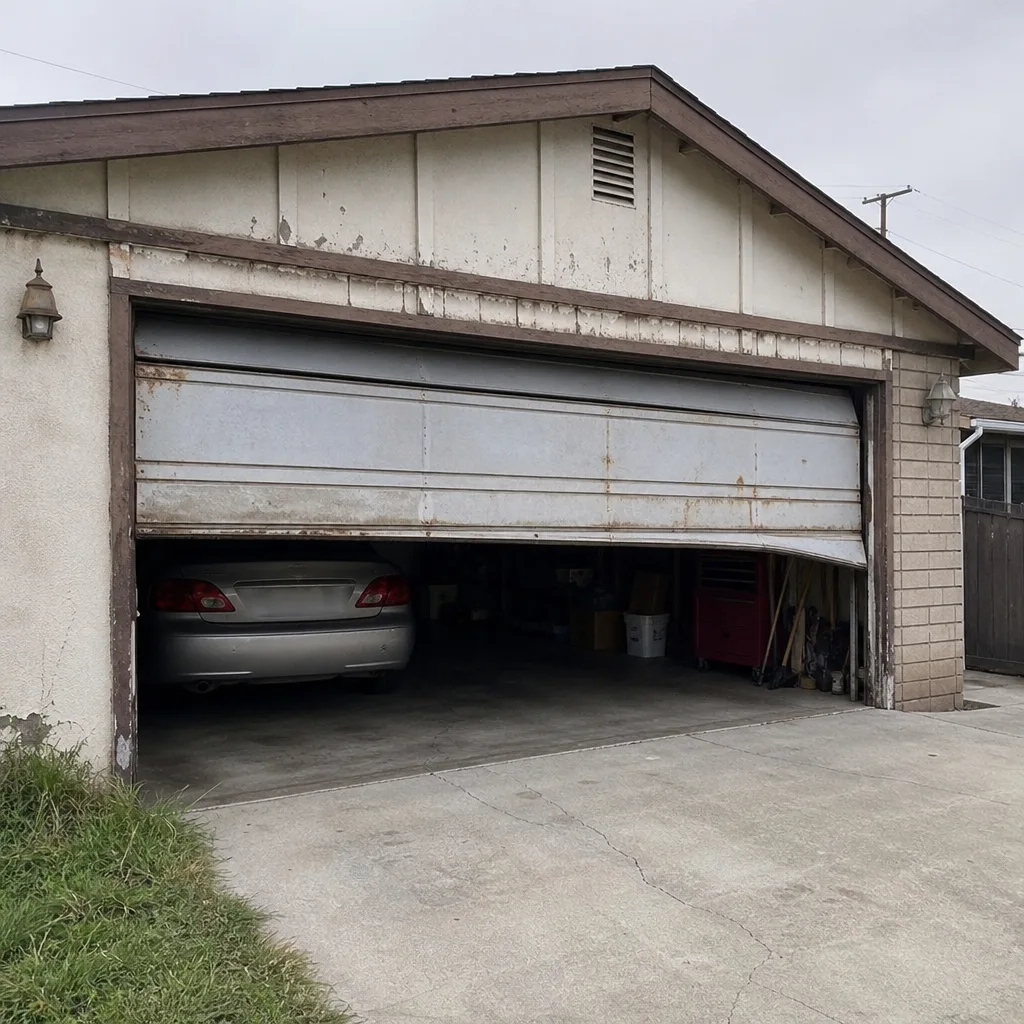 Before
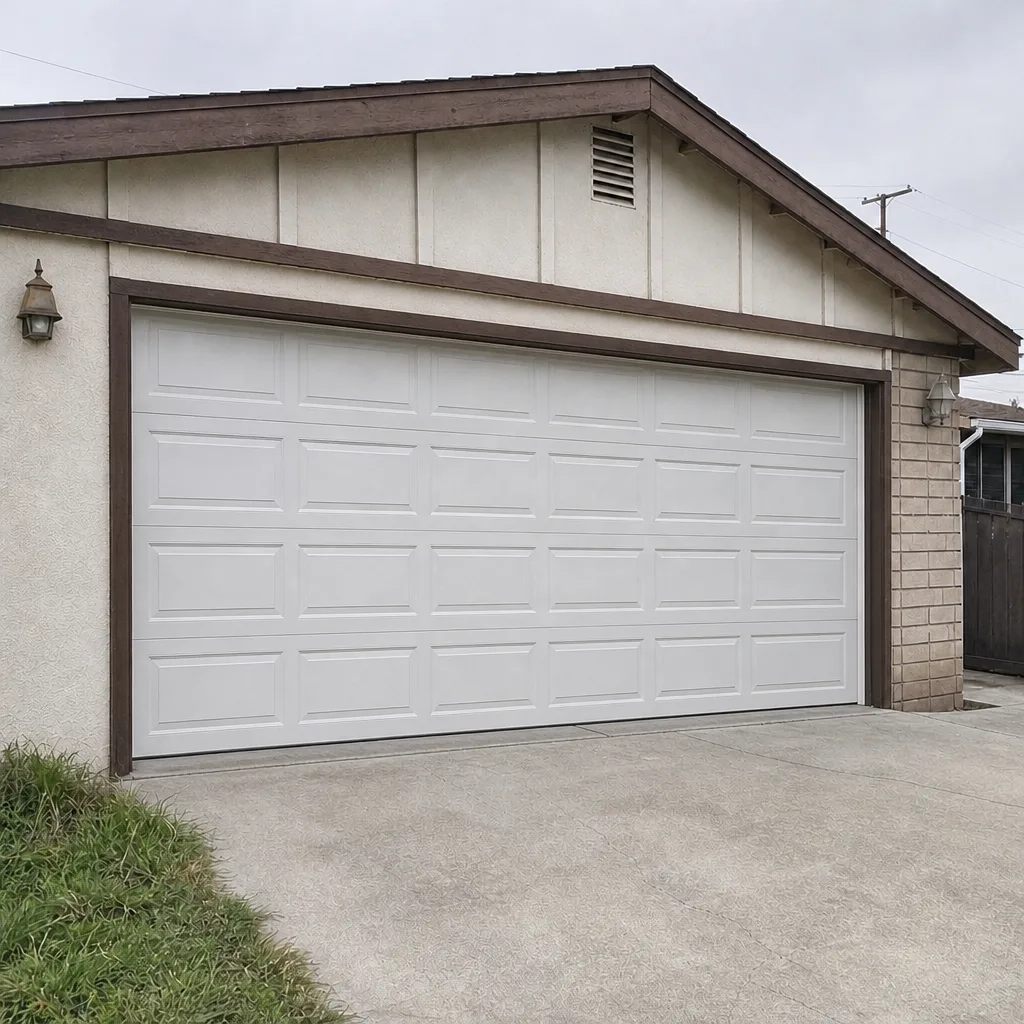 After
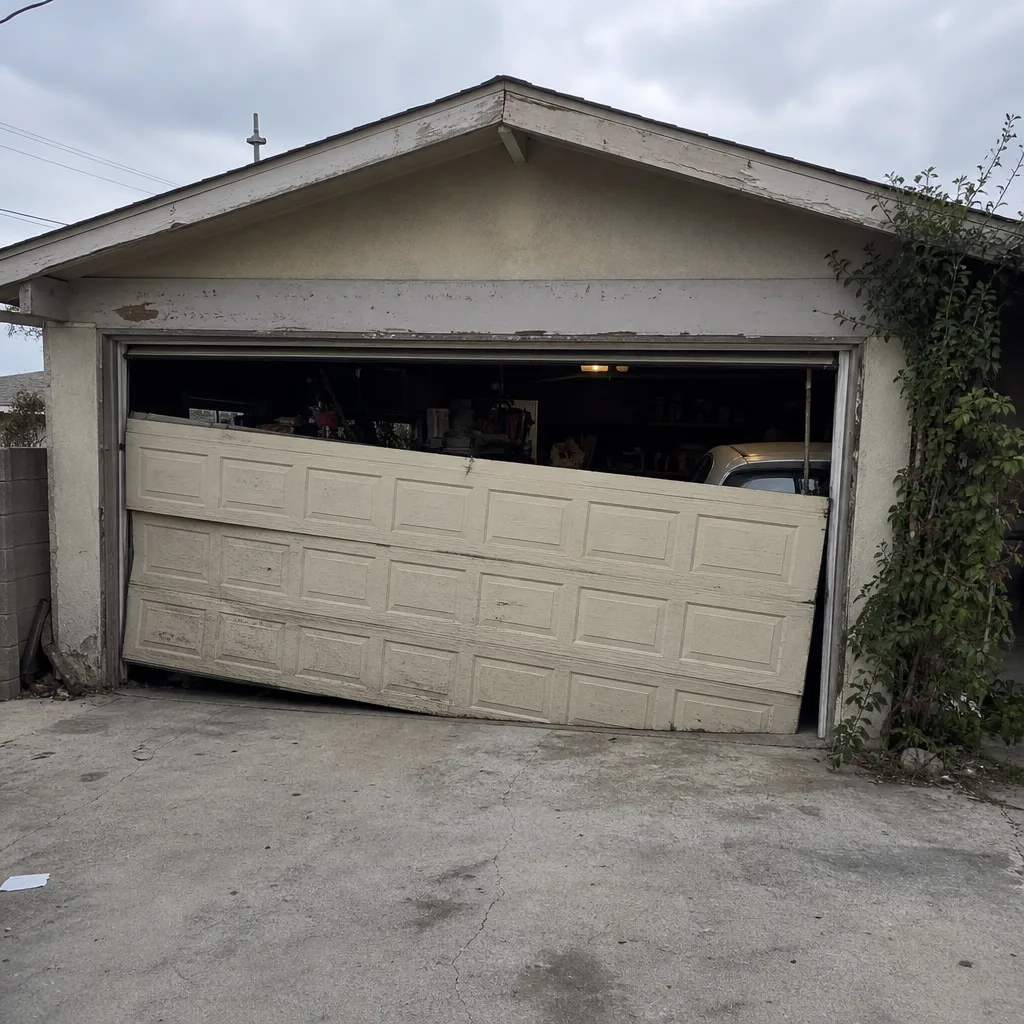 Before
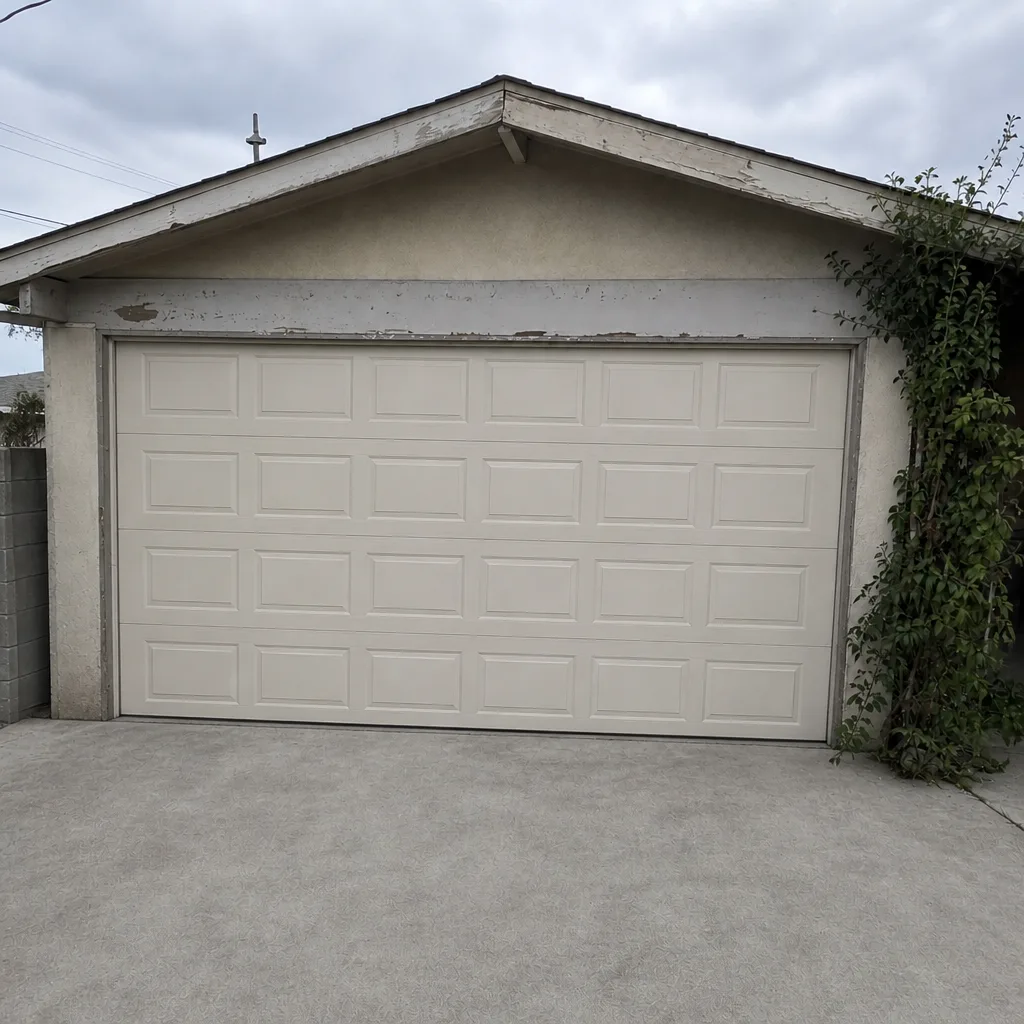 After
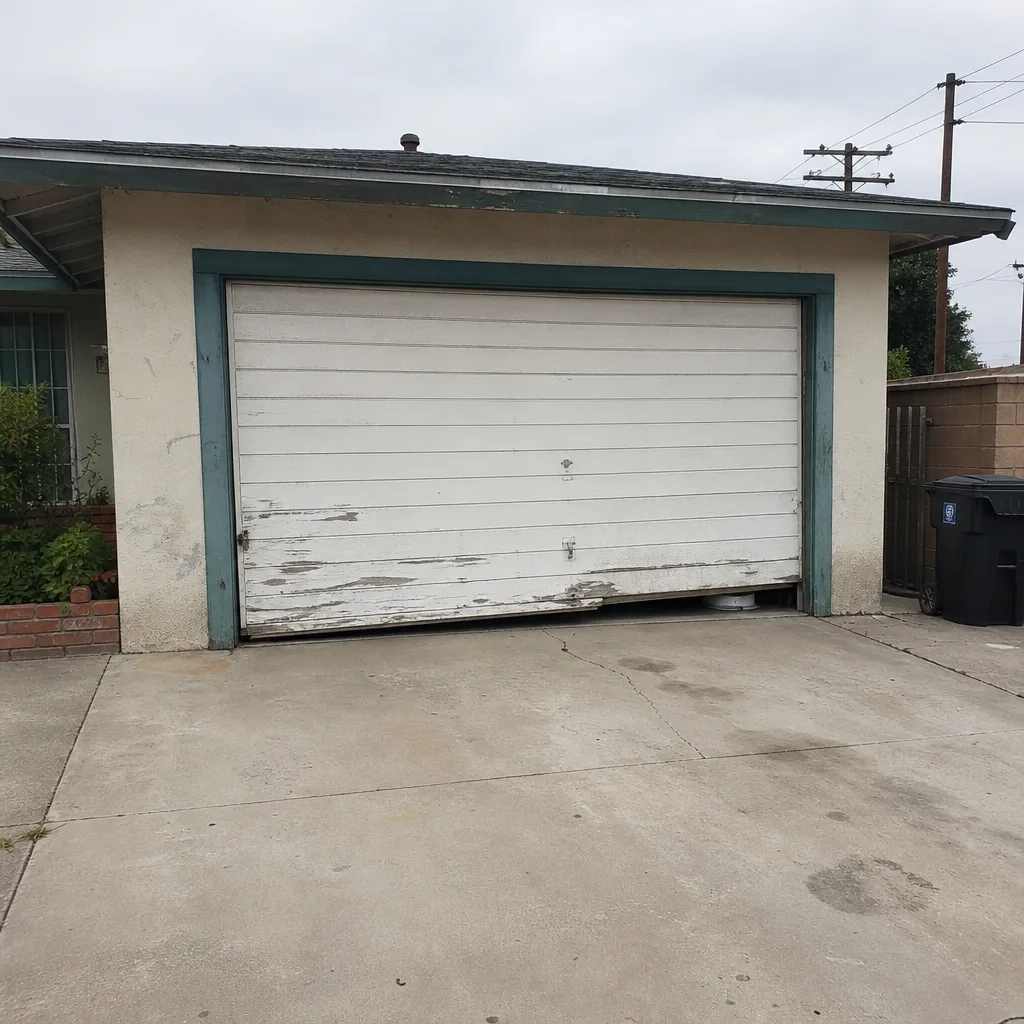 Before
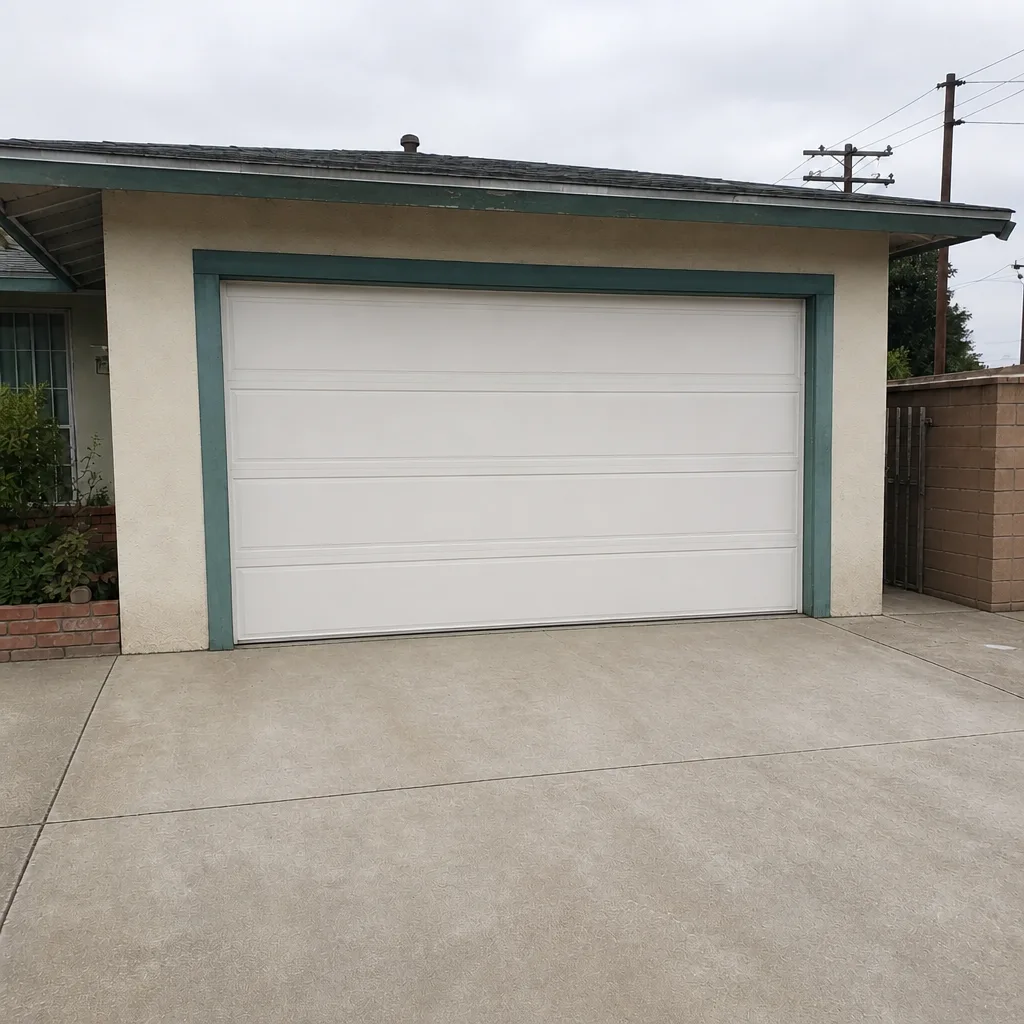 After
When to Call a Professional
Some garage door issues are DIY-friendly: cleaning the photo-eye sensors, replacing a remote battery, tightening a loose handle. Others are not. Call a professional if your spring is broken, your cables are frayed or off the drum, your tracks are bent or shifted, your opener is smoking or making loud grinding noises, or your door has come off its track entirely. These are not weekend projects. They’re jobs that require training, the right tools, and in the case of springs and cables, a healthy respect for stored energy.
Sherwood Garage Door Repair works on LiftMaster, Chamberlain, Genie, Clopay, Amarr, Wayne Dalton, Craftsman, and Raynor systems. We’re brand-trained, not brand-locked, which means we’ll fix what you have rather than steering you toward a replacement you don’t need. We offer free estimates in Pico Rivera. Call (866) 618-5424. We answer 24/7. Fast dispatch from 7am to 7pm, Sunday through Friday.
Frequently Asked Questions
Pull the red emergency release cord hanging from the opener rail, then lift the door manually. If it won’t lift or feels extremely heavy, the spring is likely broken and you should stop and call for service at (866) 618-5424. The estimate is free.
Yes. Ground movement can shift tracks, dislodge the opener rail, break springs, and loosen hardware. After any quake strong enough to rattle cabinets, do a visual check of the tracks, springs, cables, and brackets before operating the door.
First check the photo-eye sensors and the track for obstructions. If those are clear, pull the emergency release and lower the door manually, then secure it with a padlock through the track if possible. Call for professional service as soon as you can. A door that won’t stay closed leaves your home vulnerable.
The price depends on what’s failed. A service call to diagnose the issue is free, and the written estimate sets the final price before any work begins. We never start work without your approval on the number. Call (866) 618-5424 for an exact quote for your situation.
For urgent issues like a broken spring, a door that won’t close, or a derailed door, we prioritize same-day service. We answer 24/7 and dispatch from 7am to 7pm, Sunday through Friday. The dispatcher can tell you whether your issue qualifies as same-day or next-day once you describe the symptoms.
No. The written estimate covers the work we agree to do. If we find something else that needs attention, we’ll explain it and give you a new number before doing anything extra. You’re never surprised by an invoice bigger than the quote.
We stock the most common springs, rollers, cables, and opener parts on our vehicles, and we’re factory-familiar with eight major brands, so we can usually handle the repair in one visit. For unusual door models, we may need to order a part, and we’ll tell you that upfront.
The Bottom Line
A garage door emergency in Pico Rivera is manageable if you’ve prepared for it. Practice your manual release before the power goes out. Know where your springs, cables, and tracks are and what they should look like. After an earthquake, inspect before you operate. When something fails, don’t force the door, don’t attempt spring work yourself, and don’t wait for a small problem to become a big one. Keep your service number where you can find it in the dark. And when you need help, call Sherwood Garage Door Repair at (866) 618-5424. The estimate is free, the price is agreed before work starts, and we answer 24/7.
garage door repair | garage door opener repair
Written by the team at Sherwood Garage Door Repair, serving Pico Rivera since 2011.